India and Ecuador are expanding their energy cooperation beyond crude oil, with discussions underway for bigger sales of crude oil, copper and critical minerals. According to Mint, Ecuador plans to invite Indian companies to invest in its oil and minerals sector, while the South American country seeks to buy medical products from HLL Lifecare Limited. This partnership comes as India, the world's third-largest crude oil importer, has been actively seeking to diversify its energy supply chains to reduce dependence on China's critical minerals industry. The discussions were confirmed by Fernando Buchelli, the Ecuadorean ambassador to India, highlighting the strategic importance of this bilateral energy relationship.
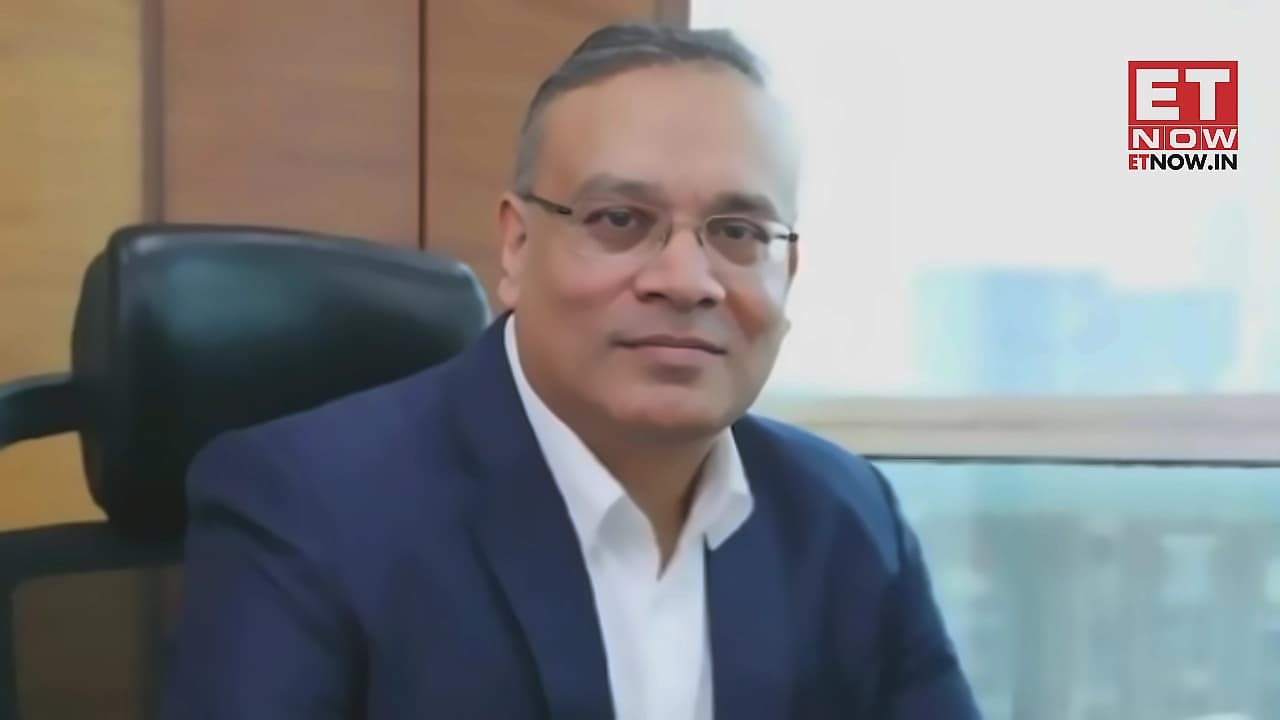
According to Motilal Oswal AMC CEO Prateek Agarwal, crude oil may not be a threat to corporate earnings despite being a fiscal concern for India. As reported by ET Now, Agarwal explained that the impact of higher crude prices has been largely absorbed by the government and PSU oil marketing companies, keeping petrol and diesel prices relatively stable in India. This has helped manufacturers and businesses manage their costs better than their global peers, with crude potentially acting as a tailwind for earnings rather than a spoil sport. The latest developments with India's first-ever crude oil purchase from Ecuador by Indian Oil Corporation earlier this year demonstrate the practical benefits of diversifying crude supply sources.
Agarwal highlighted the strength of domestic money flowing into Indian equities through mutual funds, insurance, pensions, banks and direct investments. According to ET Now, he estimated that domestic flows are currently in the range of $8 billion-$12 billion a month, with a ballpark figure of $10 billion. At the same time, foreign portfolio investors (FPIs) have generally been withdrawing around $3 billion-$4 billion in most months over the past two years. Agarwal believes the market can remain stable from current levels, stating that chances of the markets being stable are very high.
Despite market expectations of relatively modest earnings growth, Agarwal expects earnings growth over the next year to be better than the long-term average of around 11%-12%. As reported by ET Now, he noted that corporate earnings have been stronger than expected over the past three to four quarters. The fund house remains focused on growth-oriented investing, looking for sectors where earnings can grow at more than 20% over a three-to-five-year period. Key focus areas include capital markets, electronics, electric vehicles, digital businesses, defence and renewables.
On stronger-than-expected bank credit growth, Agarwal cautioned that part of the jump was linked to FCNR(B) deposits and may not be sustainable. According to ET Now, he expects most banks could see around 12%-15% earnings growth, while several NBFCs could deliver earnings growth of more than 25%. He also noted that higher credit growth does not necessarily translate into similar growth in bank profits, stating that the credit growth number mostly would not translate to profit growth numbers.
Agarwal expects the second-quarter earnings season to be relatively broad-based, with some mid- and small-sized IT companies potentially delivering stronger numbers and helping reduce sector concerns. As reported by ET Now, he expects some companies in the renewable space to deliver better numbers than in the first quarter, potentially putting the sector's growth story back on track. Digital companies, defence and renewables are among the areas he is watching closely, with Agarwal noting that defence is on the trot.