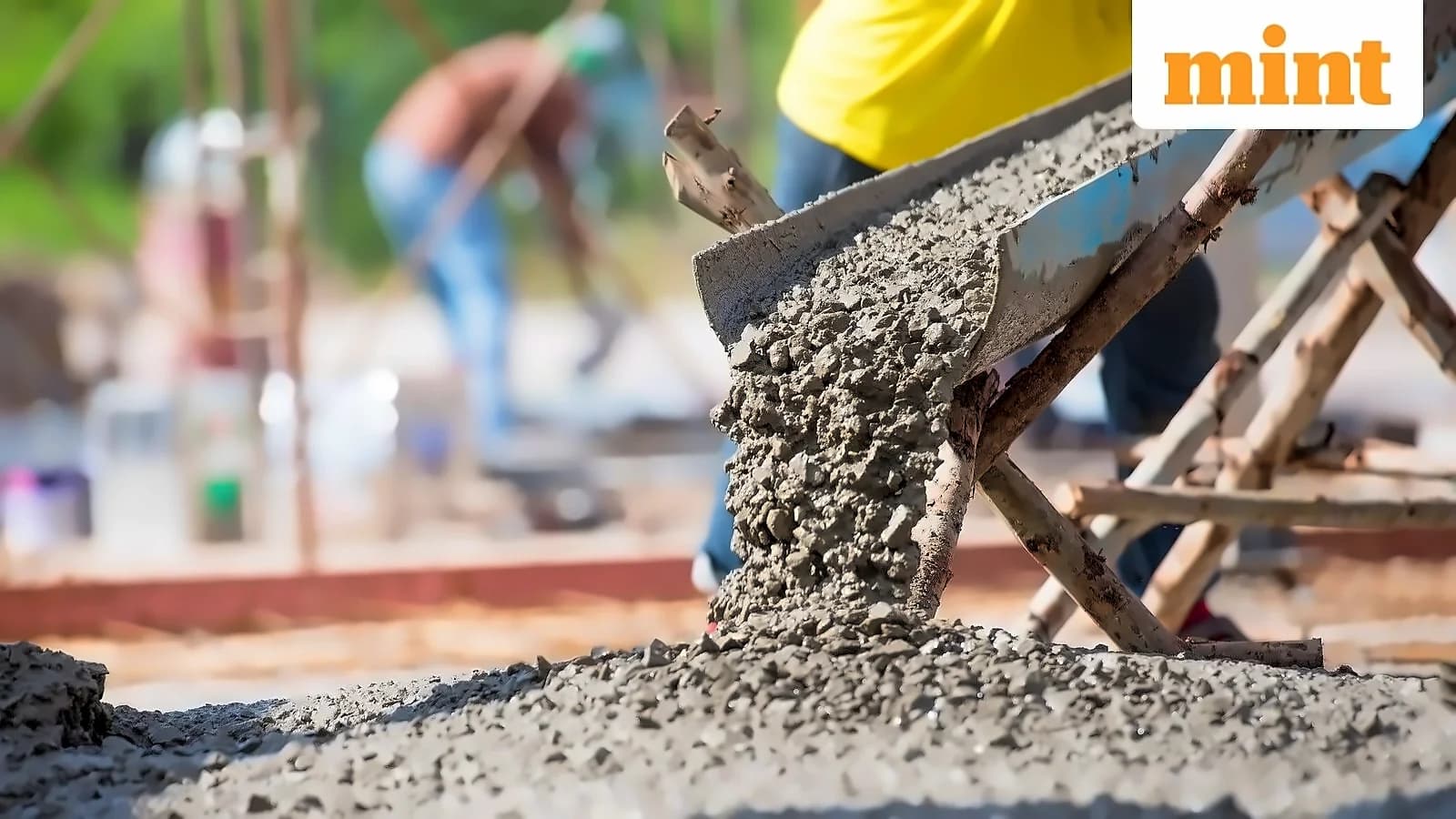
India's cement companies may finally have to increase prices after facing nearly ₹300 per tonne of cost inflation over the last few months, according to Rajesh Ravi, Institutional Research Analyst at HDFC Securities. As reported by CNBC TV18, Ravi noted that cement is the only building material product which hasn't seen any relevant price increase, stating that the industry now needs to 'absorb a higher cement price rather than just chasing volumes.' The analyst believes cement makers have so far avoided major price hikes even as input and logistics costs continue to rise sharply.

The comments come at a time when several cement companies are shifting focus from aggressive expansion to protecting profitability. According to HDFC Securities analysis, rising freight, fuel, and raw material costs are putting pressure on margins across the sector. Ravi emphasized that the industry is looking at almost ₹300 per tonne of cost inflation, with logistics costs alone potentially rising by another ₹20-25 per tonne. This shift represents a significant change from the industry's previous strategy of aggressive capacity expansion to focus on profitability and margins.
A major development in the industry is Dalmia Bharat's acquisition from the Adani Group, which Ravi described as strategically positive for Ambuja Cements. As reported by CNBC TV18, the deal strengthens Ambuja's presence in Central India and supports its ambition of becoming a pan-India player. Ravi noted that 'Dalmia needed this asset' and the company already has distribution reach in the region, enabling it to 'ramp up these assets fairly fast.' However, he warned that the acquisition could increase competition in the Central India market as more capacities become operational over the next few quarters.
Recent developments show JK Cement facing significant cost pressures of ₹250 per ton from fuel and raw material inflation, prompting the company to plan modest price increases as a strategic response. Despite these input cost challenges, the cement manufacturer remains optimistic about market conditions, projecting 7-8% demand growth in Q4 compared to the previous year. The company's balanced approach of implementing price adjustments while capitalizing on anticipated volume growth demonstrates its strategy to navigate inflationary pressures while positioning for market recovery.