Oil prices continued their decline as WTI crude slipped below $68 for the first time in 125 days, marking a significant deepening of the recent fall. The latest drop follows the previous session where both benchmarks had dropped more than 1%, settling at their lowest levels in four months. The decline was supported by ongoing Iran-US talks and the recovery of shipping through the Strait of Hormuz, with investors closely watching geopolitical developments and upcoming US inventory data. Brent crude had previously slipped below $71 per barrel, boosting sentiment in oil-importing markets such as India, where crude oil imports hit a record 4.93 million barrels per day in June, bolstered by substantial purchases from Russia. Petrobras Chief Executive Magda Chambriard told Reuters that oil prices appear to have entered a trading range of $72 to $75 per barrel, though she noted that the market has not fully returned to normal because uncertainty surrounding the Middle East conflict remains.
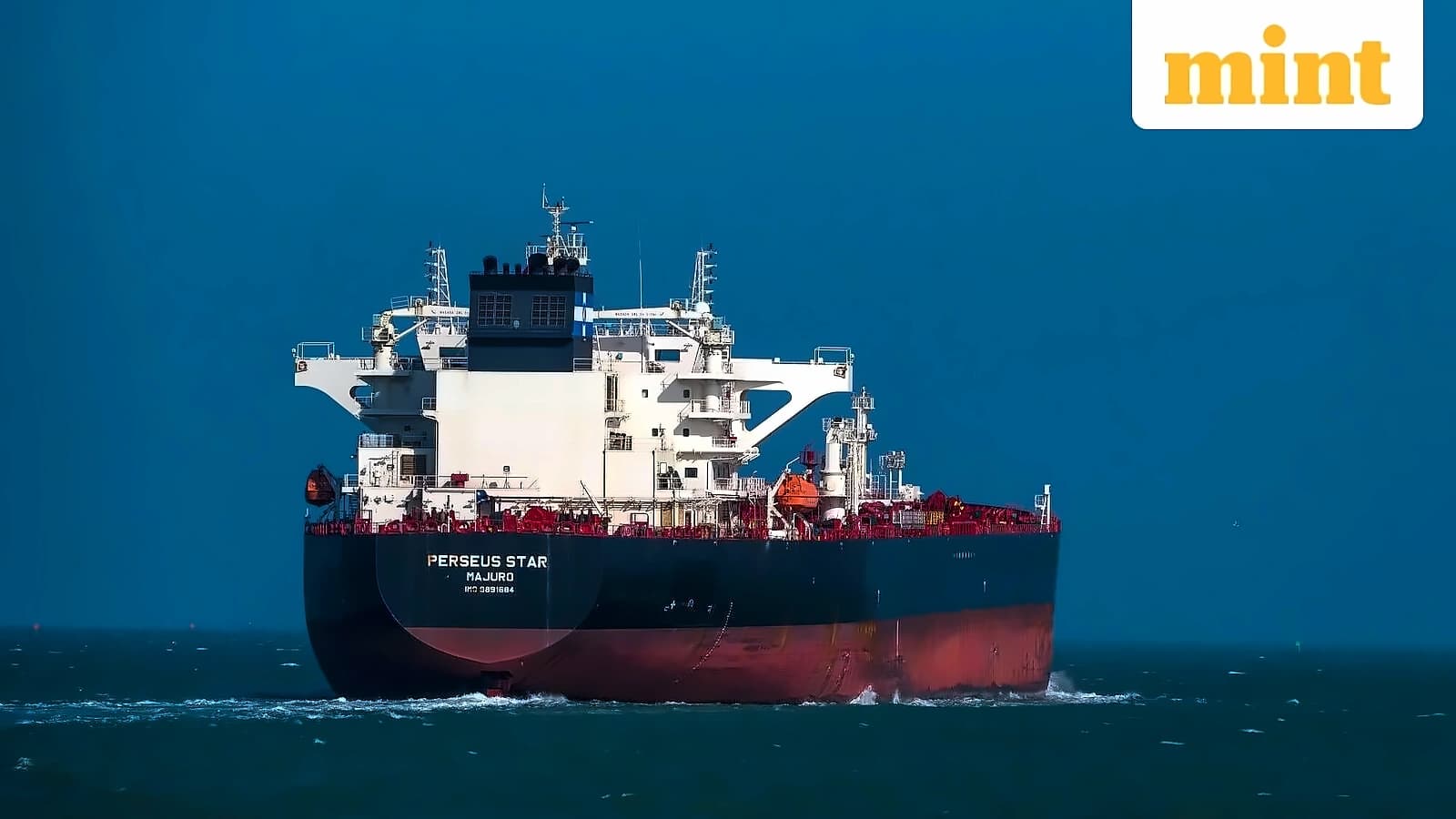
The oil price fall deepened as Saudi Arabia is shipping its most crude through the Strait of Hormuz since the US-Iran truce reopened the waterway. Four supertankers operated by national carrier Bahri reportedly exited the Gulf with roughly 8 million barrels, marking a dramatic recovery from the conflict period. The recovery is steep, as exports had slumped to about 4 million barrels per day during the fighting, down from more than 7 million in February, and are again approaching the pre-war pace of 6.3 million barrels per day recorded in Argus data. During the closure, Riyadh kept roughly half its exports flowing by diverting cargoes to Red Sea ports, and Saudi Aramco has since resumed loadings at Ras Tanura, the world's largest oil terminal, after a near four-month halt. Shipping analytics firm Kpler estimates strait traffic has recovered to about 40 vessel crossings per day, with neighboring UAE flows already returning to pre-war levels.
While crude oil prices have declined significantly, fuel price relief has started but remains limited and uneven across fuel categories. Nayara Energy has cut petrol prices by ₹5 per litre and diesel by ₹3 per litre from July 1, 2026, but this relief is largely restricted to Nayara users as public sector OMCs like Indian Oil, BPCL and HPCL have not announced similar cuts yet. Commercial LPG prices have been reduced by ₹183.50 per 19-kg cylinder from July 1, 2026, providing relief to restaurants, hotels, caterers and small food businesses that regularly use commercial LPG. However, domestic LPG prices remain unchanged, leaving household LPG users without relief. The limited fuel price cuts highlight that pump prices are not decided by crude alone, but include refining costs, freight, dealer commission, OMC margins, central taxes and state taxes, with petrol and diesel being outside GST, creating different tax structures across states.
Indian stock indices Sensex and Nifty 50 opened higher on Thursday, with the Nifty 50 gaining 0.23% to 24,062.20 and Sensex increasing 0.21% to 77,083.14 as reported by LiveMint. The rally was supported by a sharp decline in crude oil prices after Qatar said the US and Iran had made 'positive progress' in indirect negotiations that concluded on Wednesday. According to Reuters, negotiators from Iran and the US held two days of indirect talks in Doha, focusing on maritime traffic through the Strait of Hormuz and the release of Iran's frozen funds. Brent crude slipped below $71 per barrel, boosting sentiment in oil-importing markets such as India. The Nifty 50 closed just above the psychological 24,000 mark, registering a 0.59% gain after maintaining momentum aided by strong support from Bank Nifty. US WTI crude also recorded a large quarterly decline of around $31 per barrel, marking its largest quarterly loss since 2020, when the COVID-19 pandemic reduced global fuel demand, highlighting how quickly geopolitical developments can influence energy markets.
While oil prices declined, Bitcoin gained over 5% over the past 24 hours to trade near $61,649 as of this writing, with the rally extending signs that Bitcoin selling pressure was already easing before the truce. Cheaper energy and fading geopolitical fear are reviving appetite for risk assets, with falling crude also cooling inflation expectations and providing added support for risk-taking. The bounce extends similar trends in equities, with nearly 60% of S&P 500 stocks carrying record Buy ratings as tensions cool. However, gold traded near $4,119, with an intraday push toward $4,140, remaining well below January's record above $5,500 but still up more than 22% over the past year. San Francisco Fed President Mary Daly noted the AI investment shock has markets asking if it will fuel inflation, helping explain gold's resilience as investors continue to hold it as an inflation and geopolitical hedge. The divergence suggests markets are pricing a durable supply recovery while still hedging the truce's fragility.