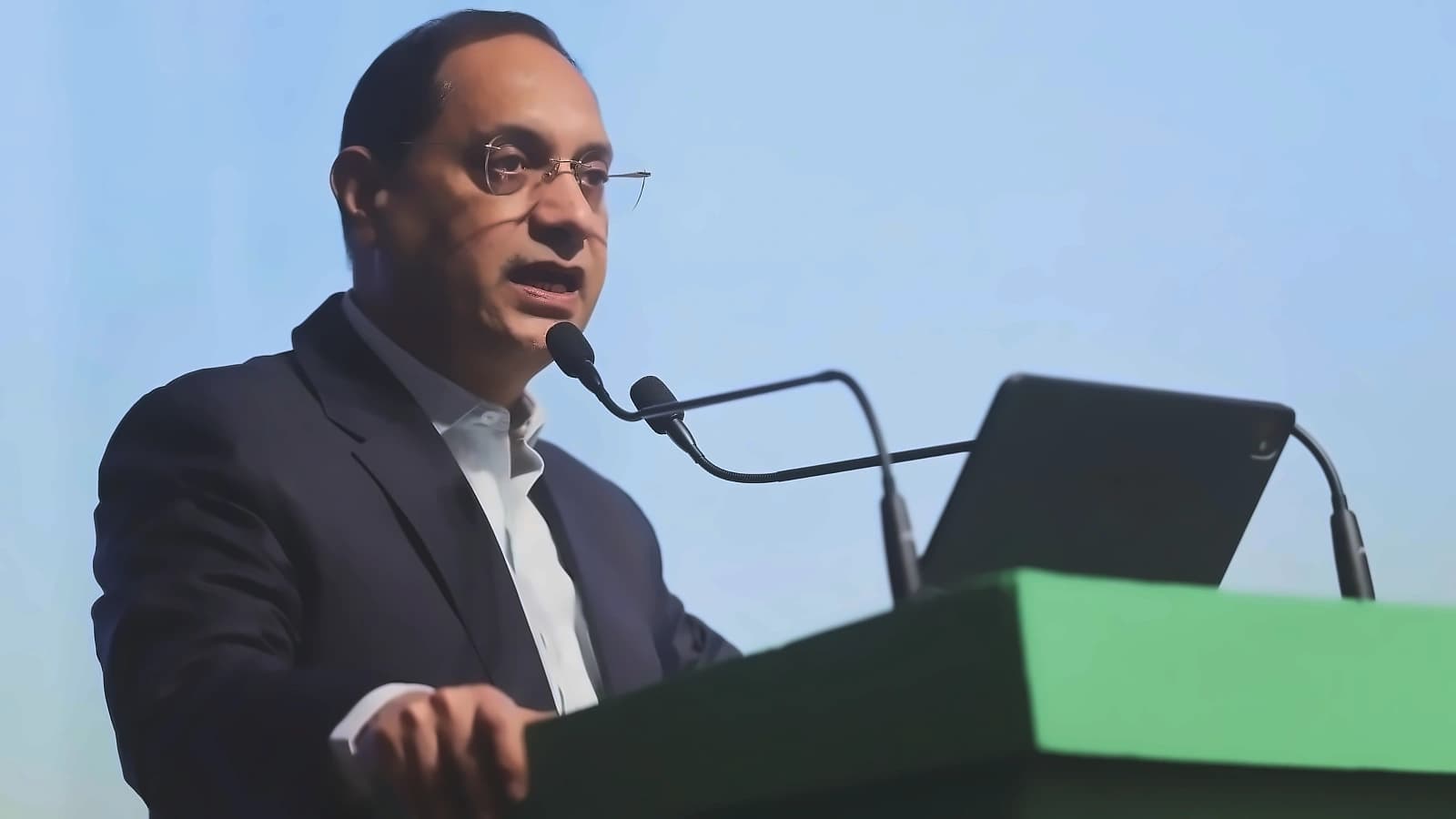
Ajay Tyagi, President & Head-Equity at UTI AMC, believes Indian equities are approaching an important inflection point after nearly two years of consolidation. According to The Economic Times, Tyagi expects both high valuations and lacklustre earnings to show signs of resolution in coming quarters, setting up markets for the next bull phase. Q1FY27 earnings were a positive surprise, with earnings growing 17% when excluding oil marketing companies, banks growing 20%, metals up 53%, and small caps growing 32% earnings. The impact of income-tax cuts and GST rationalisation on household incomes is also encouraging, with income tax cuts and GST cuts leading to big savings for households, increasing disposable incomes and spurring consumption.
Shankar Sharma, Founder of Gquant FinxRay, believes India's small- and mid-cap stocks are better positioned to capture growth opportunities from global artificial intelligence, data centres and technology infrastructure, while large-cap stocks continue struggling with lack of fresh triggers. As reported by NDTV Profit, Sharma noted that while the Nifty 50 has remained relatively stagnant, nearly half of the constituents in smaller indices have been replaced in recent years, reflecting the emergence of newer growth companies. "The small caps reflect the inherent growth ahead of them," Sharma said, arguing that large caps appear cheaper because their earnings growth could disappoint going forward. Sharma continues to favour companies linked to the AI and data-centre ecosystem, believing the global AI trade is unlikely to fade with the US continuing as the primary driver and Indian companies benefiting from infrastructure spending.
Sharma believes the opportunity extends beyond traditional technology companies to "infrastructure tech" businesses — companies supplying cables, optical fibre, electrical equipment and other components required to build and upgrade data centres. According to NDTV Profit, the data-centre boom will not be a short-term phenomenon, with rapid technological changes requiring repeated capital expenditure to adopt newer technologies and improve processing capacity. Sharma has increased his exposure to small-cap opportunities and identified the segment as a preferred area for investment earlier this year. While acknowledging that valuations and inventory gains could pose risks in the near term, he sees greater potential in growth-oriented small caps than in large-cap stocks simply because they are "cheap".
The market has experienced significant foreign institutional investor selling pressure, with foreigners selling roughly ₹3.4 lakh crore in six months according to The Economic Times. However, Indians bought ₹4.5 lakh crore during the same period, demonstrating domestic investor confidence. FII inflow has improved since June 2026, with ₹20,200 crore in July and another ₹12,900 crore in the first week of August. As per The Economic Times, crude has cooled from $110 to $87, June-quarter results were better than feared, and the RBI held rates and raised growth forecast on August 5th, contributing to market stability. The rupee's recovery from ₹96 to current levels has also made India more attractive to foreign investors. Tyagi notes that the Indian Rupee is already undervalued on a Real Effective Exchange Rate (REER) basis and should have downside protection, with FCNR deposits expected to touch around $70 billion, giving the RBI enough ammunition to defend the rupee.
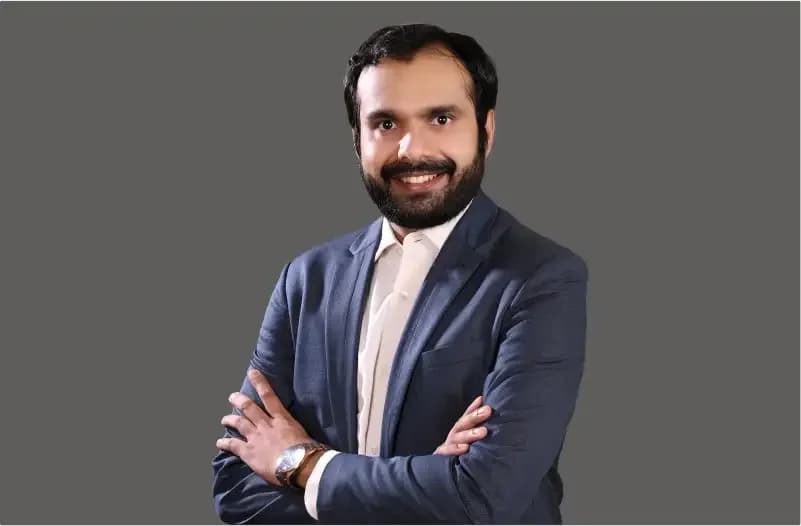
Despite positive small-cap outlook, Tyagi remains cautious on pockets of the mid- and small-cap universe, where valuations are above long-term averages. He advocates selective, bottom-up stock-picking in the broader market rather than indiscriminate investing. Tyagi warns against dismissing small caps entirely, stating there are pockets of genuine mispricing among companies with real cash flows. He emphasizes that the opportunity is less about choosing between large and small caps and more about identifying businesses where growth expectations are not already fully priced in. Household debt at 48% of GDP remains a concern, with gold loans jumping from ₹3.16 lakh crore to ₹4.89 lakh crore in seven months, though rural wages growing only 4% indicates consumption challenges. Tyagi notes that an indiscriminate rally in mid- and small-caps, as seen between 2020 and 2023, is unlikely in the near future.