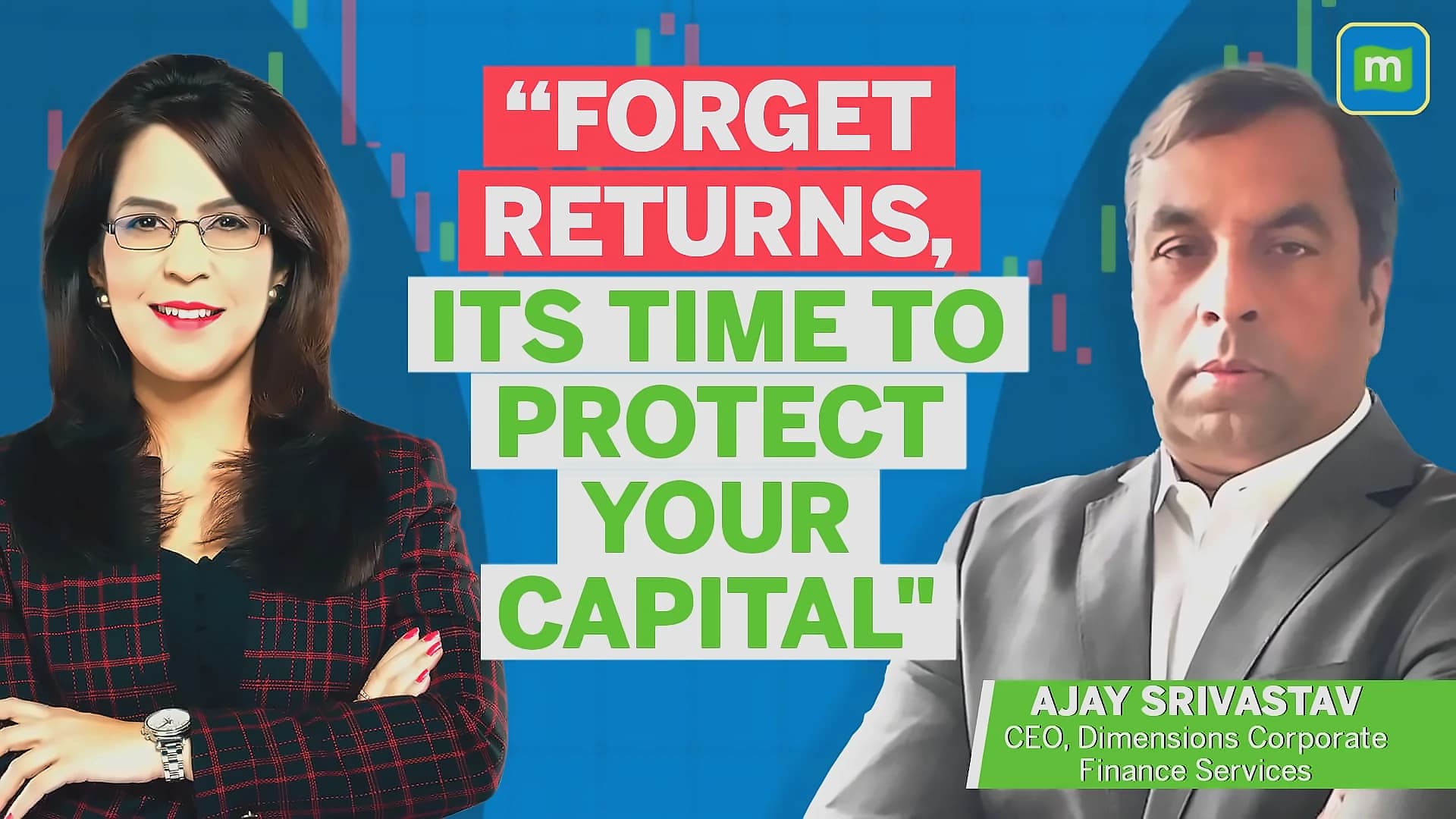
Indian markets are entering a critical phase where global shocks, currency pressure, and rising energy prices are beginning to filter into domestic consumption and corporate earnings, according to Ajay Srivastava from Dimensions Corporate. As reported by The Economic Times, Srivastava highlighted that investors may be underestimating the depth of macro risks unfolding over the next few months. Fuel price hikes are already impacting purchasing power, with consumers facing significantly higher costs than previously. The combination of oil prices, geopolitical risks, FPI outflows and currency weakness could take time to fully reflect in the economy, creating uncertainty for the next three to six months.
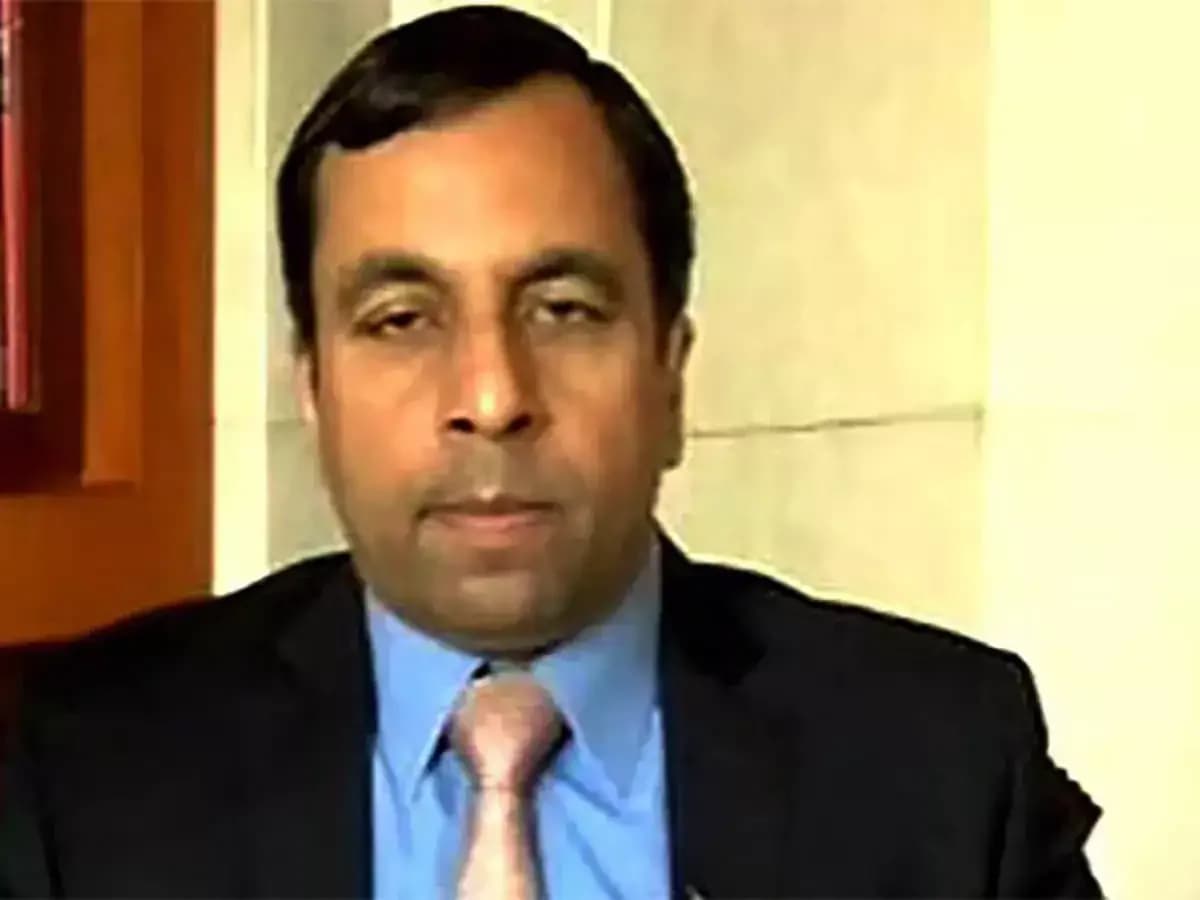
Srivastava emphasized an aggressive reallocation strategy for investors, stating that investors need to keep diversifying as the economy is very domestic and impacted by domestic factors more than global ones. According to The Economic Times, he advocates for higher allocations to gold and silver for investors and advisory clients, moving beyond the traditional 5% model that has been promoted for the last two years. The strategy focuses on legacy companies that perform well in turbulent times, citing examples like CG Power and ABB as companies that have delivered strong performance during challenging periods.
On the Indian IT sector, Srivastava took a strongly contrarian position, suggesting investors look outside India entirely. As reported by The Economic Times, he argued that Indian IT companies lack future prospects and their management has run out of ideas. He contrasted Indian IT firms with global technology leaders and emerging AI-driven companies in the US, arguing that innovation has shifted away from traditional outsourcing models. Instead, he recommended buying US IT companies over Indian IT stocks, pointing to valuation gaps where Walmart trades at lower PE ratios than DMart and similar comparisons across sectors.
The pharma sector remains structurally strong despite recent underperformance, with Nifty Pharma having underperformed for a fair bit. According to The Economic Times, Srivastava highlighted that export-driven companies in the pharma sector would do very well for the next three to five years due to rupee-dollar benefits and the fact that most companies are debt-free with strong cash flows. He particularly emphasized CRDMO and export-led pharma businesses as the most promising segments, noting that the sector's structural strengths remain intact despite recent market challenges.
Srivastava argued that promoter-driven firms across sectors such as engineering, industrials, autos, materials, and financial services are better positioned to deliver returns in volatile markets. As reported by The Economic Times, he contrasted Indian executives in MNCs and PE-led companies as being complacent, stating that performance is only where promoters are directly involved. This thesis supports his recommendation to focus on legacy companies across various sectors that have historically performed well during turbulent times, suggesting that established business models and direct promoter involvement provide better resilience in uncertain market conditions.