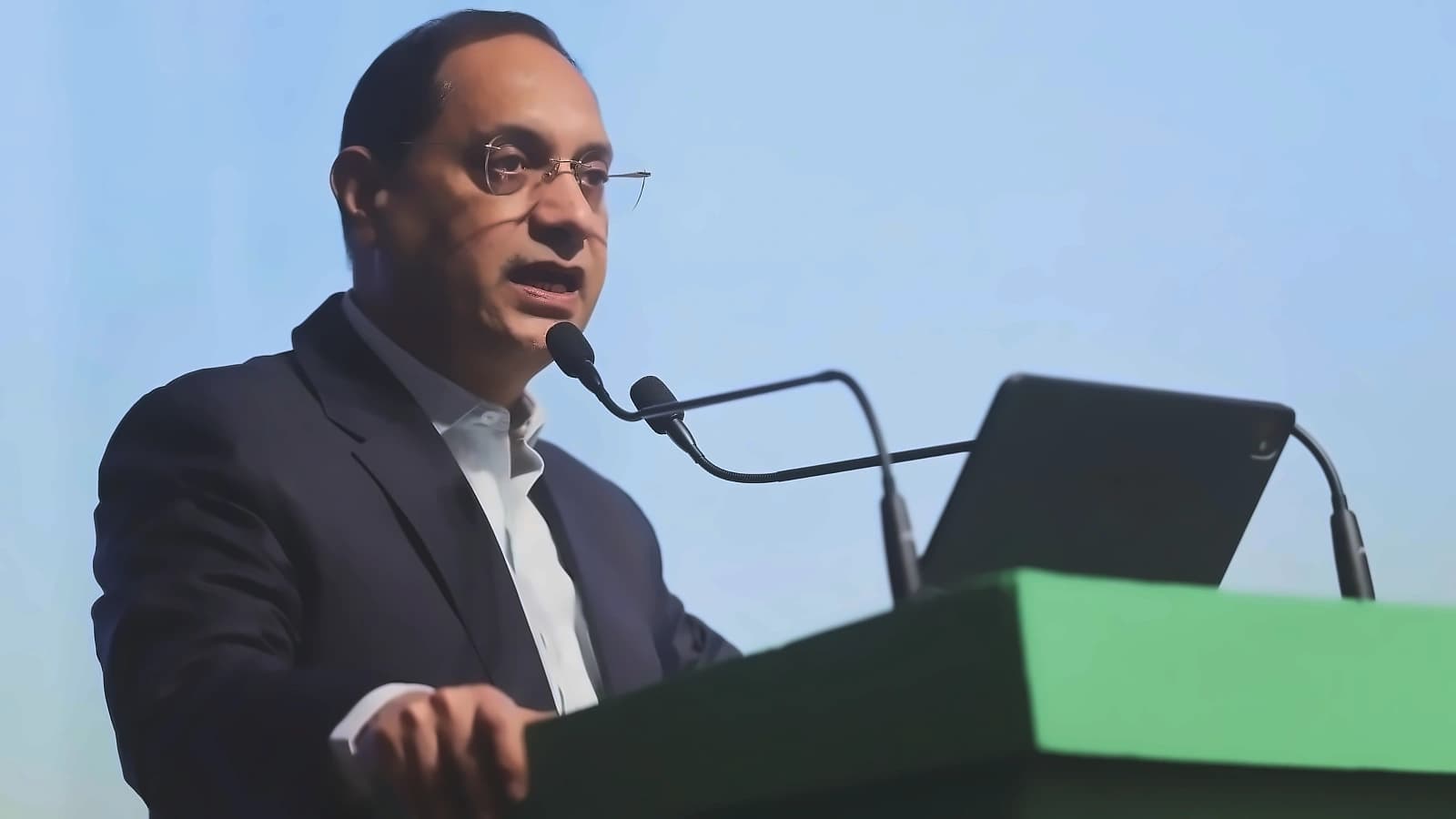
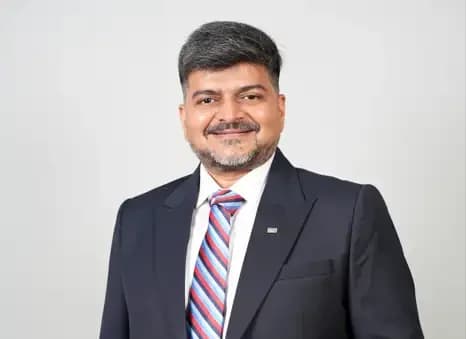
Manoj Bahety, Founder and Fund Manager at Carnelian Asset Management & Advisors, warns that while AI technology is real and transformative, current valuations are reminiscent of past market bubbles. According to his latest analysis, SpaceX is trading at 93 times sales, OpenAI at 35 times, and Anthropic at 21 times, with no investor questioning the Return on Invested Capital (ROIC) on these investments. As reported by ETMarkets, Bahety argues that the Warren Buffett Indicator is at an all-time high, and US stock valuations are near 1999 levels, with growth concentrated in just the Magnificent 7 companies while other S&P 500 companies grew by only 9% in 2025.
The AI investment boom has delivered exceptional returns across global markets, with some AI exchange-traded funds (ETFs) surging over 100% in the last year, while Micron Technology has soared nearly 900% and Intel Corporation shares gained 565%. As reported by Mint, the tech-heavy Nasdaq has risen 12% this year, while Korea's Kospi has soared more than 90% year-to-date. However, experts are increasingly concerned about the sustainability of these gains. Shruti Jain, Chief Strategy Officer at Arihant Capital Markets, warns that while AI is likely to be 'one of the defining technologies of this century', investors may be paying 'a reasonable price for that future' rather than the current inflated valuations.
Bahety identifies the current market phase as the 'FOMO stage' of the AI cycle, where investors focus on access rather than business fundamentals. According to his analysis, when questions shift from 'is this a good business?' to 'how do I get into the AI trade?' or 'can I buy OpenAI through GIFT City?', the market has entered dangerous territory. He compares this to previous bubbles, noting that in Korea, retirees are cashing out insurance policies and borrowing money to buy chip stocks, indicating late-stage market behavior. The three major AI companies (OpenAI, SpaceX, and Anthropic) are worth approximately $4 trillion combined, roughly equivalent to the entire Indian stock market, creating what he describes as the top of the AI trade being sold to investors.
Market experts emphasize the need for investors to transition from speculative AI themes to fundamental valuation approaches. Ravi Singh, Chief Research Officer at Master Capital Services, notes that much of the initial market surge was driven by narrative and multiple expansion, rather than immediate cash flows, creating significant valuation risks. Nirali Bhansali, an equity fund manager at SAMCO Mutual Fund, warns that the key risk today is not that AI will fail, but that valuations of some AI-linked companies have raced ahead of earnings visibility. Experts recommend focusing on infrastructure providers (semiconductors, data centres, and power utilities) with robust cash flows and established enterprise software companies successfully integrating AI rather than speculative startups.