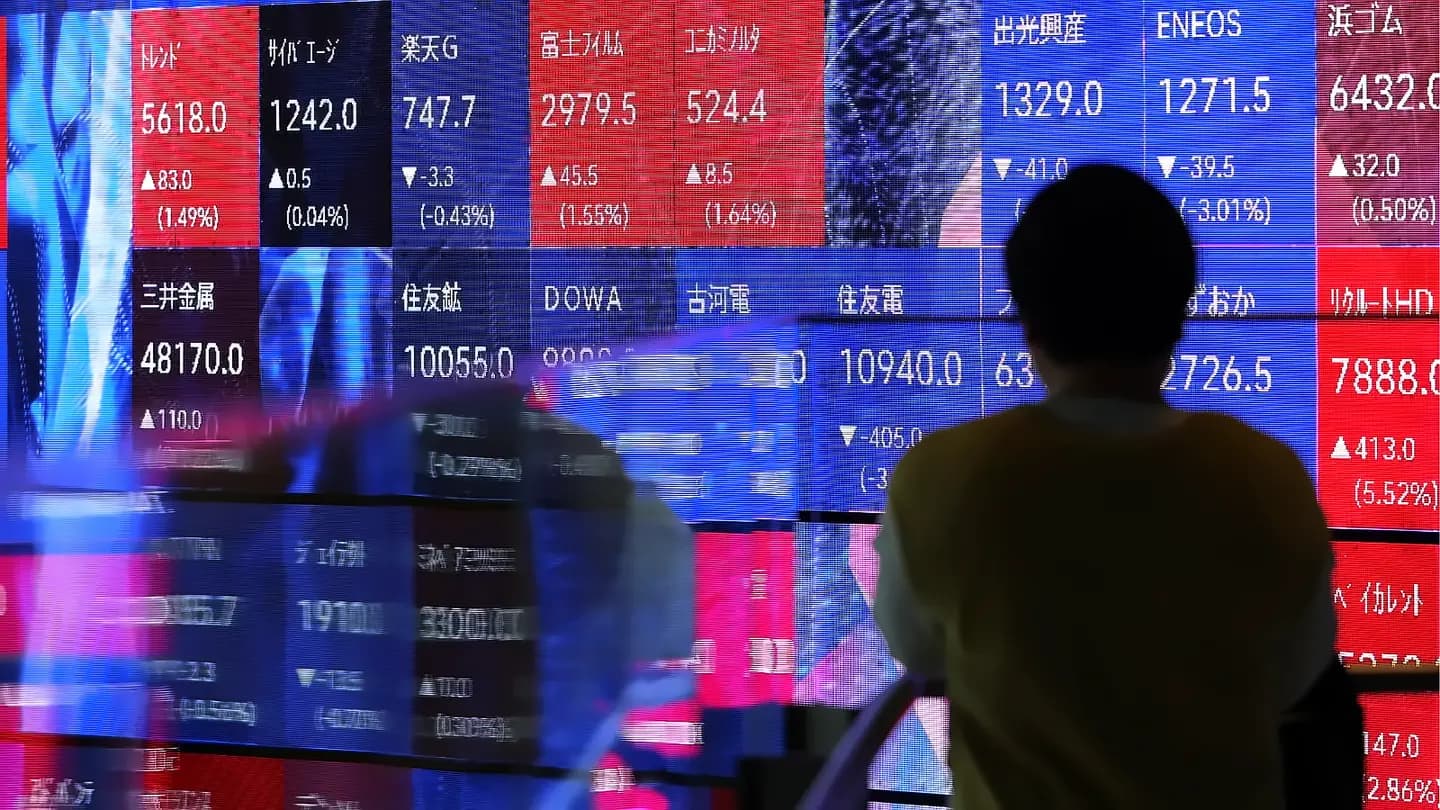
The artificial intelligence trade experienced its breaking point on July 23, 2026, when Alphabet and Tesla shed roughly $500 billion in combined market cap in a single session. According to reports from Investing.com, the Nasdaq-100 fell to within 9.7% of its record high, just short of official correction territory. The selloff deepened on Tuesday, July 28, when South Korea's KOSPI closed down 10.8%, its worst session in years, with Samsung falling 13.4% and SK Hynix dropping 14.7%. The Philadelphia Semiconductor Index dropped 4.5% on that day alone, while Fitch warned that an AI market correction was emerging as a major global credit risk. The market's verdict arrived after Alphabet reported second-quarter results on July 22 and raised its 2026 capital-expenditure outlook to $195-$205 billion. Recent developments show South Korea's KOSPI fell almost 6% in a single day after falling more than 10% and reaching a three-month low, with the finance ministry announcing new restrictions on leveraged exchange-traded products, including a cap on individual investors.
Kevin Warsh, Fed chair, spoke to the media after the meeting and pledged to keep inflation in check but declined to give any direction on what actions would be required by central banks. Warsh pointed out that bond yields had risen since the Fed's most recent monetary policy meeting, a move he welcomed, but said it didn't mean that central bank action was required to confirm it. Fed funds futures implied that the Fed will raise rates by around 60% at its next meeting in September, with 33 basis points already priced in by year's end. The dollar index fell by 0.45% while the euro rose by 0.54% to $1.1447, as investors await key earnings from Microsoft and Meta following the Fed's decision. Nasdaq Futures rose by 1.2% during Asian hours, while European Futures gained 0.3%, indicating some recovery in tech sentiment.
Microsoft (MSFT) surged nearly 9% after delivering $90 billion in revenue and a blowout 43% growth in its Azure cloud division, demonstrating the market's growing appetite for companies that can show concrete monetization from AI investments. According to Investing.com, Microsoft's AI business run rate surpassed $37 billion, reassuring Wall Street with direct evidence of capital expenditure returns. This contrasts sharply with Meta (META), which tumbled roughly 9% as a surge in operating costs from massive AI infrastructure investments caused free cash flow to drop 91% to $784 million, overwhelming a slight revenue beat and disappointing Q3 sales guidance. Amazon emerged as the definitive victor, surging over 8% after a 37% AWS cloud explosion convinced investors that its aggressive capital expenditure (possibly $220B in 2026!) is directly fueling top-line AI growth. The divergent reactions underscore a shifting paradigm where investors are eager to reward companies like Microsoft that demonstrate concrete, direct monetization from their capital expenditures.
In contrast to global markets, Indian investors are maintaining their focus on AI opportunities through infrastructure plays rather than direct software companies. As reported by The Economic Times, the Indian market is betting on proxy plays like data centres, power equipment, transformers, cables, cooling systems among others. Nomura has specifically named GE Vernova T&D India, CG Power, ABB India, Siemens, Hitachi Energy India and Cummins India as beneficiaries of India's data-centre buildout. India's data centre capacity is expected to grow from 1.5 GW to 26.3 GW by FY32, while AI compute capacity alone is projected to expand 24 times through 2030. The debate now centres on whether the selloff reflects a genuine fundamental reassessment or a sentiment overshoot, with no major hyperscaler having publicly signalled a capex slowdown as of Tuesday's close.
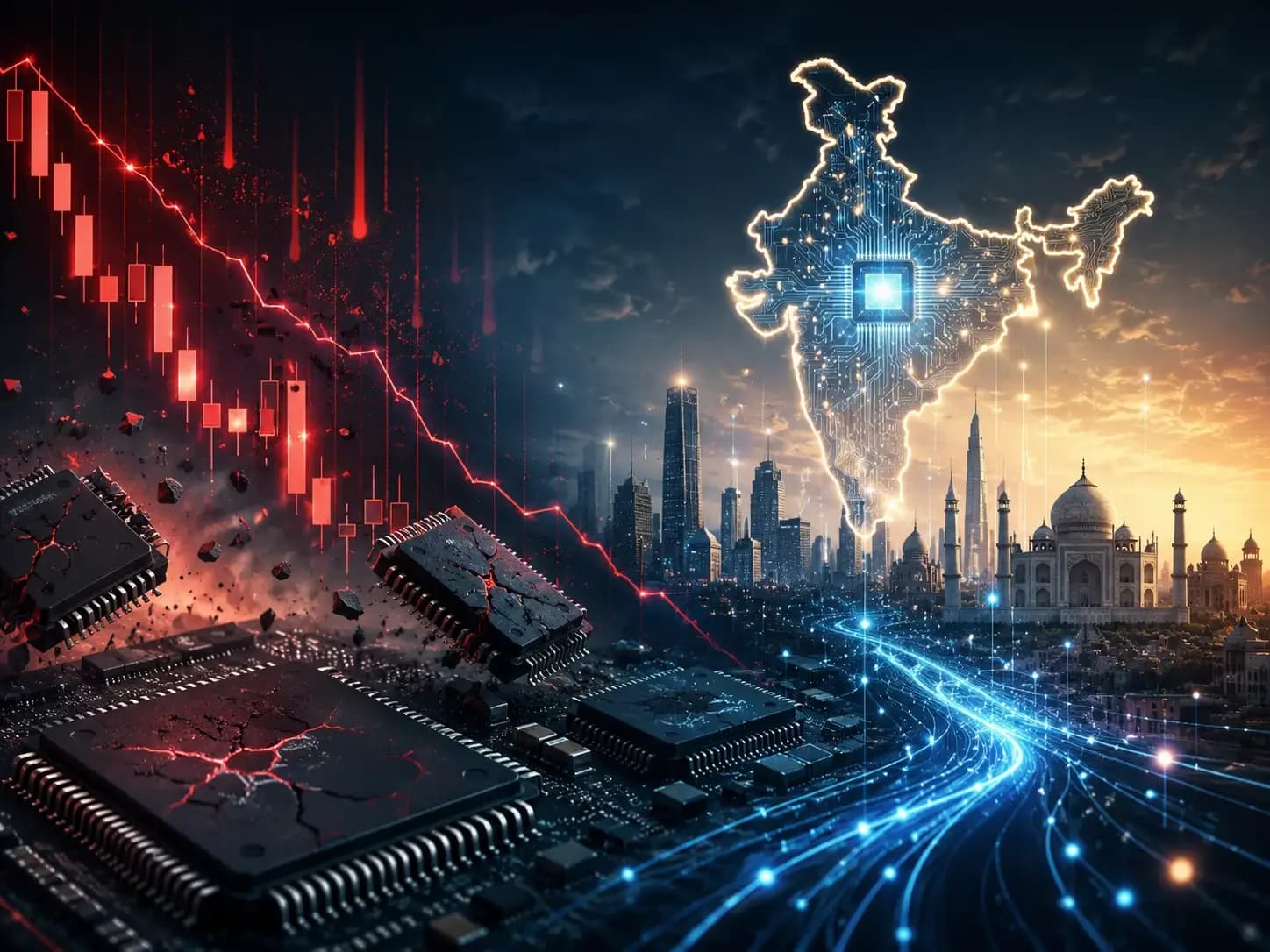
Microsoft's shares rose after it assured investors that they would continue to generate cash until fiscal 2027, despite its heavy spending, highlighting the contrast in fortunes between companies able to show revenue generation. Meta's stock dropped following a 91% decline in free cash flow for the second quarter, demonstrating the market's focus on return on investment rather than budgets. Amazon.com and Apple are expected to release earnings this week, adding to the volatility as investors question the sustainability of AI spending. Gina Martin Adams, chief strategist at HB Wealth, said: "The focus is shifting away from budgets to return on investment. Investors are looking for evidence that AI capex generates revenues right now and also strengthens 'the future growth prospects'". The sentiment shift had been building for weeks, with Goldman Sachs data showing hedge funds trimming tech hardware exposure for four consecutive weeks heading into July.
Market experts suggest a balanced approach for Indian investors navigating the current AI correction. According to The Economic Times, analysts recommend focusing on quality AI-capex plays rather than reacting to short-term volatility. Companies with strong balance sheets, steady cash flows and clear execution records are better positioned to benefit from the AI cycle. The current fall is viewed as a valuation reset rather than the end of the theme, with investors advised to avoid weak companies that add 'AI' to their story without real revenue from the theme. Gil Luria, technology analyst at D.A. Davidson, told Fortune on July 28: "Right now there's a lot of panic around the AI investment, and the panic appears to be indiscriminate." Kerry Craig, global strategist at J.P. Morgan Asset Management, noted that the Fed will continue to be questioned about its credibility, with the gap between the Fed's words and actions potentially posing problems for market pricing.