India's defence sector has undergone a dramatic transformation from import-dependent to self-reliant manufacturing. According to reports from Equitymaster.com, the country's defence equipment manufacturing shifted from 65-70% imports until 2018 to approximately 65% domestic production currently. This transformation is supported by a robust defence industrial base comprising 16 defence PSUs, several private conglomerates, over 430 licensed companies, and about 16,000 MSMEs. The sector's financial performance has been impressive, with annual defence production crossing ₹1.54 trillion in FY25 and then ₹1.78 trillion in 2026. The government has set an ambitious target of achieving ₹3 trillion worth of defence production by 2029, along with ₹50,000 crore in exports, positioning India as a global defence manufacturing hub.
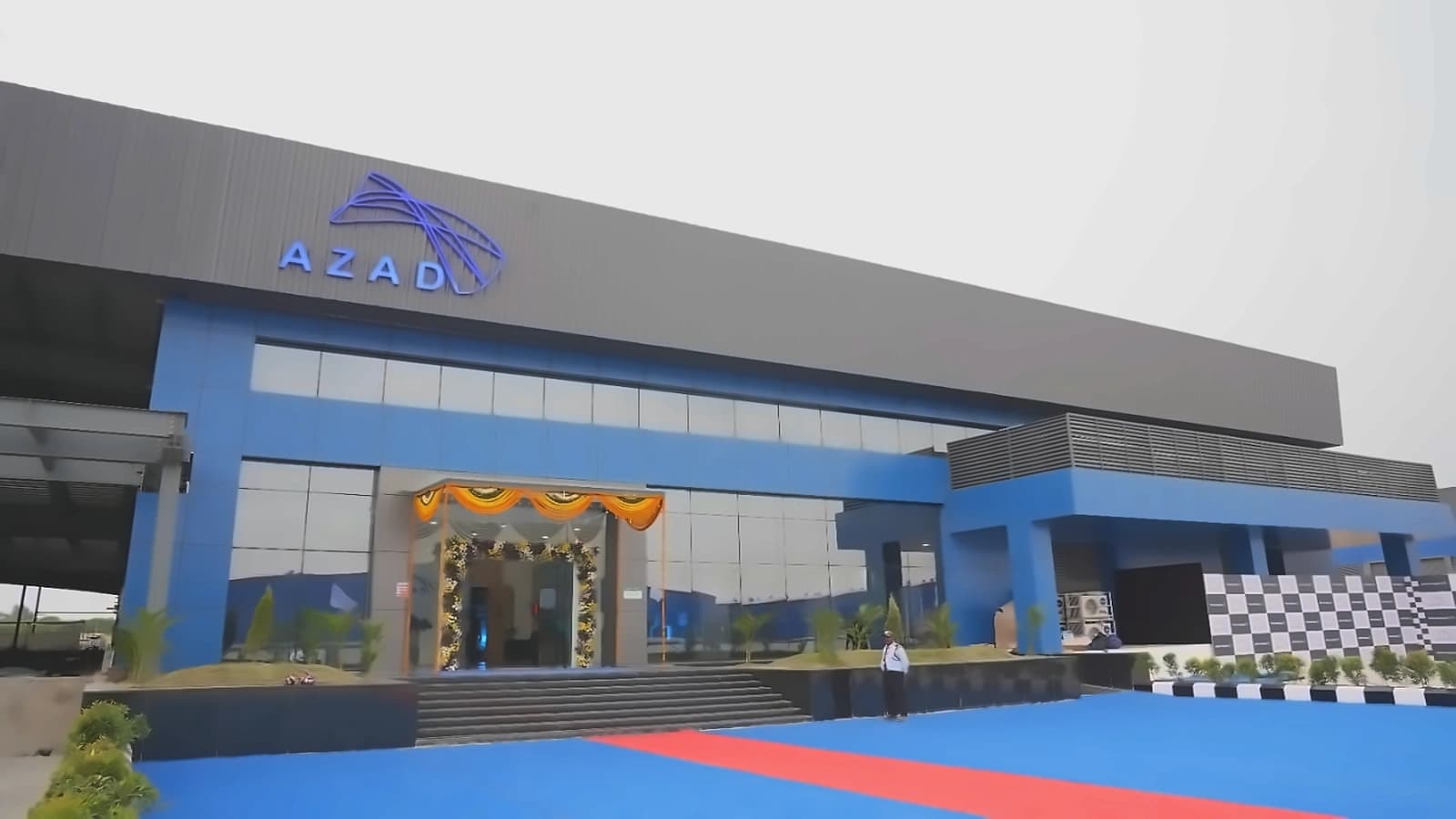
ICICI Securities has reiterated its positive stance on the defence sector, citing strong government support and a massive procurement pipeline. The brokerage expects order awards to accelerate over FY27 and FY28, creating a favorable backdrop for leading defence companies. Against these backdrops, ICICI Securities prefers Hindustan Aeronautics Ltd., Solar Industries India Ltd. and Bharat Electronics Ltd. within the defence space. The brokerage maintains Buy ratings on Astra Microwave, MIDHANI and PTC Industries, while assigning Add ratings to Bharat Dynamics, Azad Engineering and Zen Technologies. With the recent Defence Procurement Manual 2025, acquisition timelines are expected to be significantly compressed, while the Navy may receive the long-awaited ₹70,000 crore submarine orders soon.
The critical minerals sector has received significant government backing through strategic policy initiatives. As reported by Equitymaster.com, the government has cut customs duty to zero on 12 critical minerals, along with cobalt powder and waste and scrap of lithium, lead, and zinc. In January 2025, the Union cabinet approved the National Critical Mineral Mission (NCMM) with ₹16,300 crore allocation to build a robust framework for achieving self-reliance in the critical mineral ecosystem. India's clean energy transition depends heavily on key minerals such as copper, cobalt, graphite, lithium, nickel, neodymium, and silicon, collectively referred to as energy transition critical minerals. The stock market expects sustained policy support and higher investments in this space, with companies operating in critical minerals positioned for growth.
India's nuclear energy sector is positioned for significant expansion under the government's strategic initiatives. According to reports from Equitymaster.com, India has set a target of achieving 100GW of nuclear power capacity by 2047 under the Nuclear Energy Mission. This initiative aims to strengthen energy security while reducing dependence on fossil fuels. The expansion will require substantial investments in reactors, engineering services, power equipment, and supporting infrastructure. Companies involved in reactor construction, engineering services, heavy equipment manufacturing, and power infrastructure are expected to benefit from this growth opportunity. However, nuclear projects are capital-intensive with long gestation periods, requiring companies with strong balance sheets and proven execution capabilities.
International companies are increasingly partnering with Indian firms to capitalize on these sector opportunities. Curtiss-Wright, a global provider of aerospace, defence, and industrial technologies, exemplifies this trend with more than 200 facilities worldwide, including high-growth markets such as Brazil, India, and China. The company provides leading edge sensors, controls, sub-systems and mission critical components to commercial aerospace, commercial and specialty vehicles, and general industrial markets. In the nuclear sector, Curtiss-Wright supports the upgrade of existing nuclear power plants globally and provides critical technologies to next-generation nuclear reactors. This global presence and integrated approach position companies to benefit from the global economic expansion and India's strategic sector development.