India's electric vehicle sector demonstrates compelling long-term potential, particularly as crude oil prices remain elevated. According to reports from Equitymaster.com, India imports most of its crude oil, making higher fuel prices translate to increased petrol and diesel costs, making EVs more economical for retail customers and commercial fleet operators. EV adoption is already accelerating in two-wheelers, three-wheelers, buses, and urban delivery fleets due to their lower running and maintenance costs. Government incentives, battery manufacturing schemes, and a growing charging infrastructure are supporting this growth trajectory.
Olectra Greentech leads as India's largest pure electric bus manufacturer with ROCE of 20.1% and consistent profitability. As reported by Equitymaster.com, the company delivered 385 EVs in Q3 FY26 compared to 282 in Q3 FY25, marking 37% growth. Revenue reached ₹663.60 crore, up 29% year-on-year, with Ebitda at ₹97.10 crore and net profits at ₹46.70 crore. The company secured the top position with 29% market share in the electric bus segment with 399 vehicle registrations.
Evey Trans Private, an associate company of Olectra Greentech, secured significant contracts including two letters of award from the Telangana State Road Transport Corporation (TGSRTC) to supply, operate and maintain 1,085 electric buses. According to Equitymaster.com, Olectra will receive approximately ₹18 billion for these buses, representing a major growth catalyst for the company's long-term expansion plans.
JBM Auto maintains an ROCE of 20.4% and has built a fully integrated EV ecosystem spanning in-house R&D, advanced battery systems, intelligent drivetrains, and digital fleet management. As reported by Equitymaster.com, the company recently deployed 500 intercity buses in Telangana and 312 buses in Delhi, positioning itself as an integrated clean mobility player. Sales including other operating income increased 15.6% to ₹1,614 crore in Q3 FY26, with net profit rising 4.29% to ₹54.68 crore.
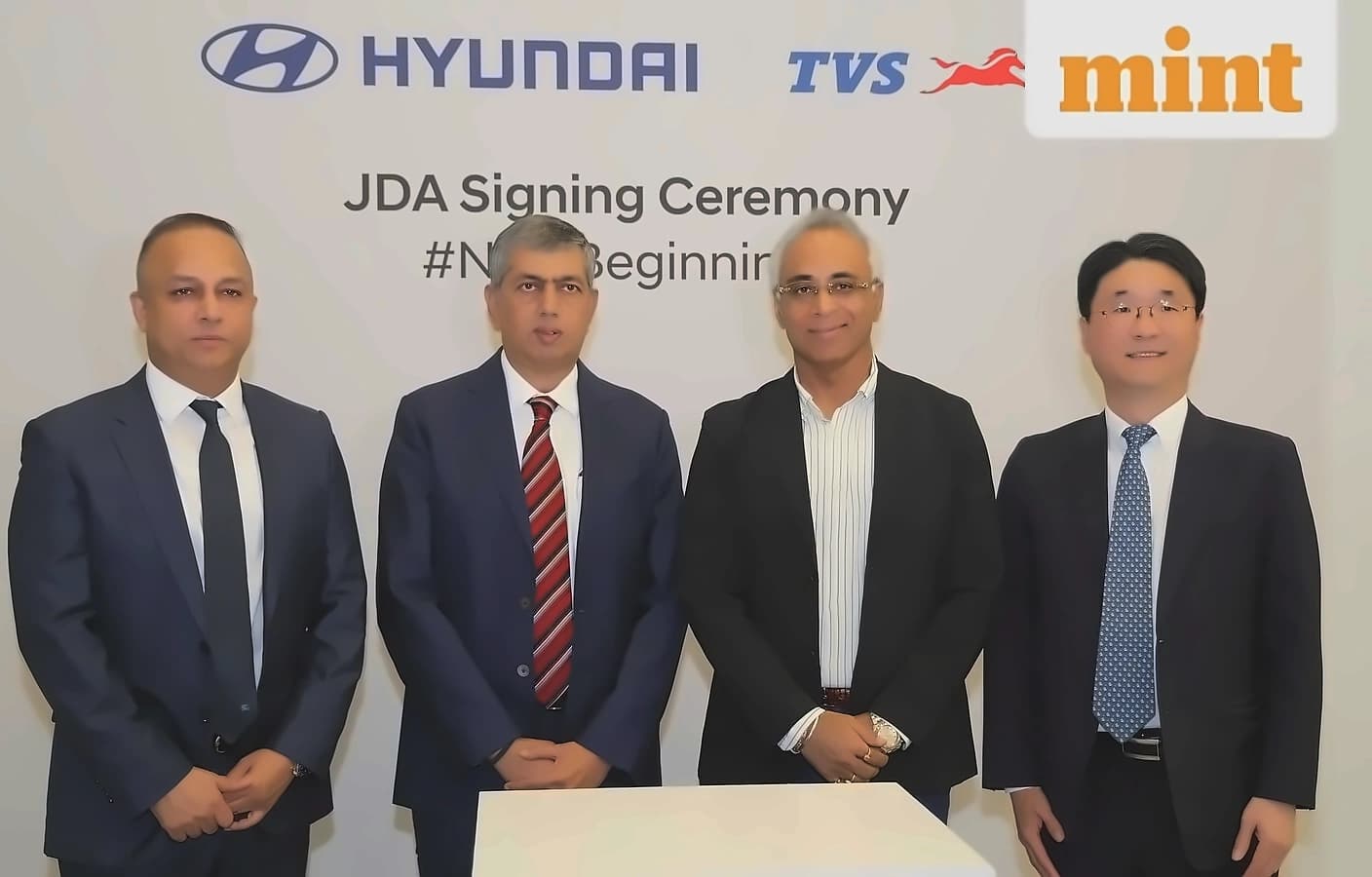
Hyundai Motor India reported total net sales of ₹18,916.20 crore in Q4 FY26 versus ₹17,940.3 crore year earlier, though net profit dropped to ₹1,255.60 crore from ₹1,614.30 crore. According to Equitymaster.com, the company's current EV lineup includes the Hyundai Creta Electric and premium IONIQ 5, focusing on electric SUVs and local battery sourcing. The company is expanding production capacity at its Talegaon plant and plans several new launches, including a localised compact EV for the mass market.