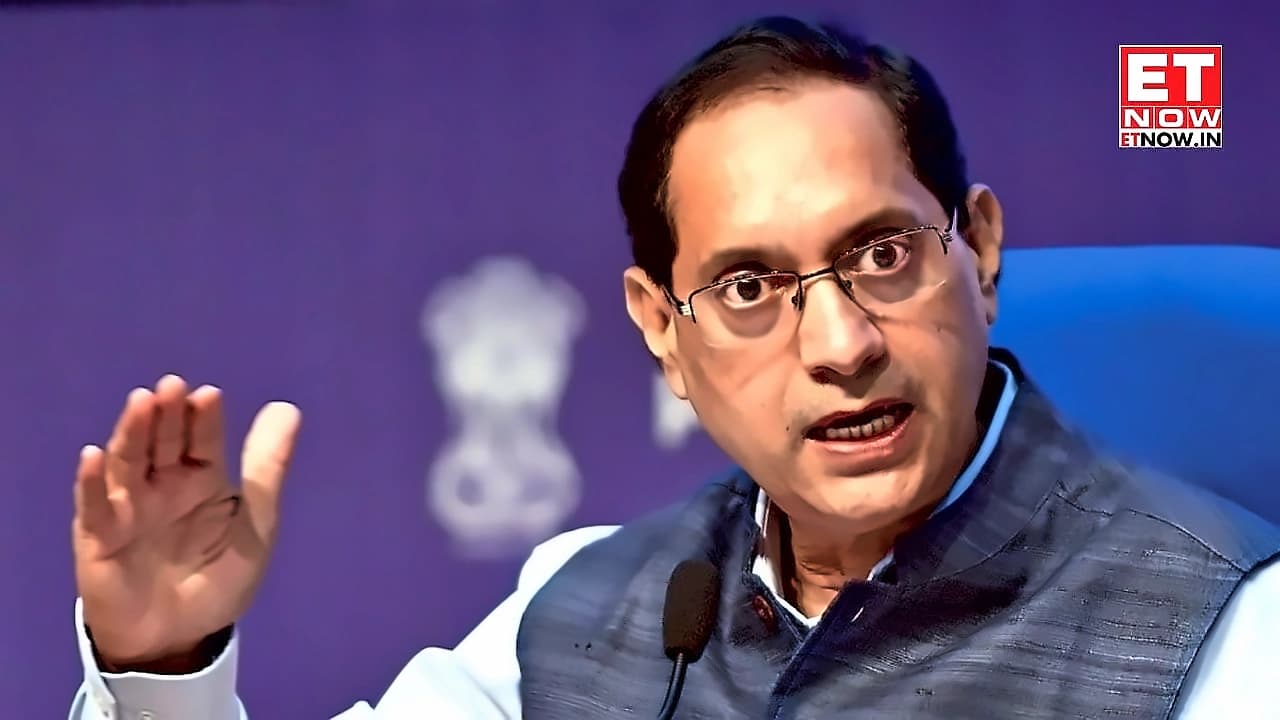
According to Siddhartha Khemka, Head of Research - Wealth Management at Motilal Oswal Financial Services, the outlook for Indian equities in Samvat 2083 begins with a cautious stance. As reported by Business Standard, while Indian equities faced significant pressure in Samvat 2022, driven by geopolitical uncertainty, elevated crude prices, and sustained FII selling, domestic economic fundamentals remain resilient. Valuations have become more reasonable, with the Nifty trading at 17.5x forward earnings, around 16% below its long-term average. With Nifty earnings expected to grow 17% in FY27 and 15% in FY28, prospects for equity returns have improved, though a sharp, broad-based correction is not the base case. Raamdeo Agrawal, Chairman and Co-Founder of Motilal Oswal Financial Services, sees potential for strong market returns citing relatively low valuations and higher earnings growth, while Avinash Agarwal from Bandhan Life expects moderate and selective returns with earnings growth as the primary driver.
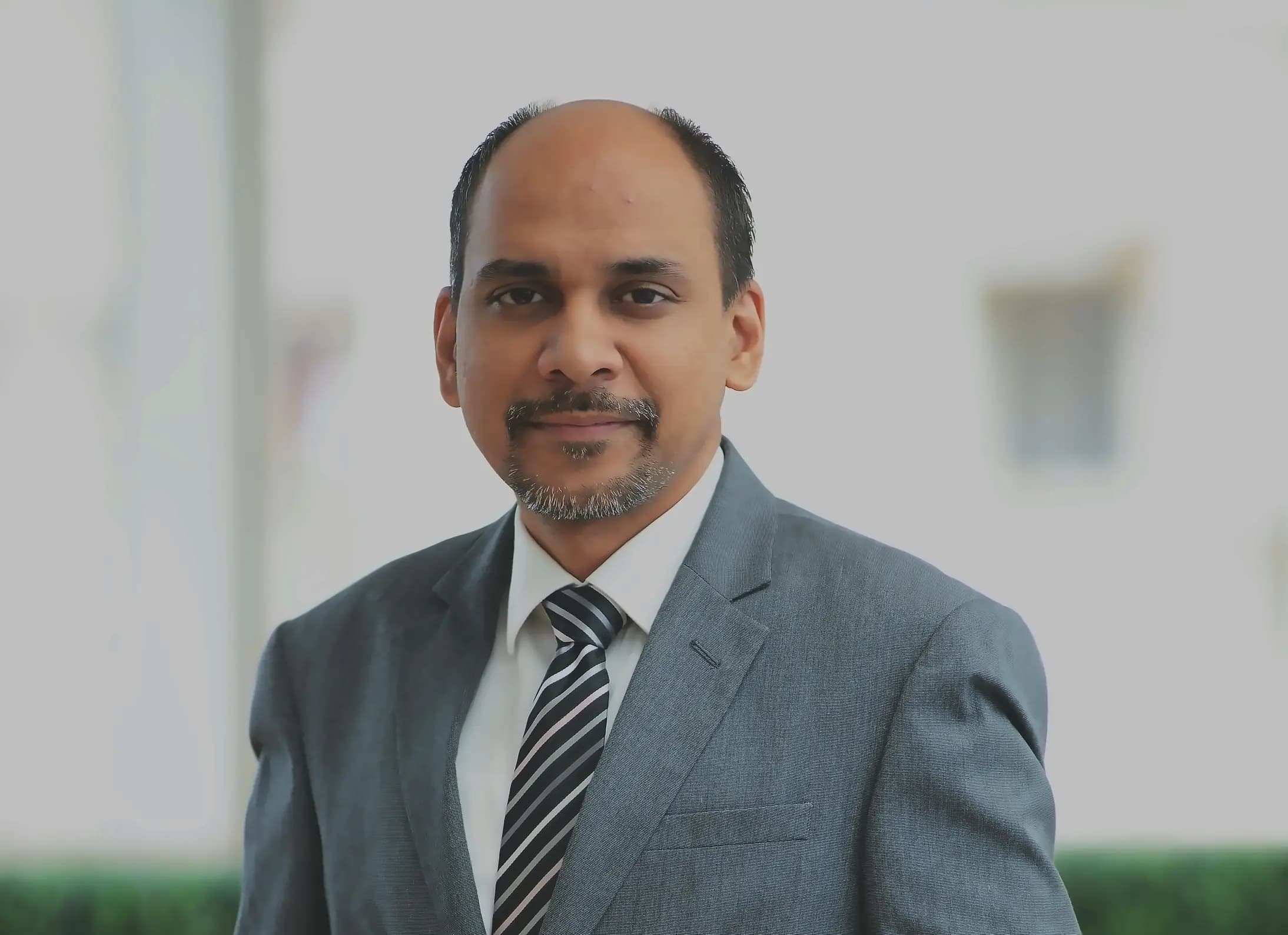
For investors looking to make fresh allocations this Diwali, Khemka recommends a combination of both lump sum and staggered investments. As reported by Business Standard, investors with a long-term horizon could deploy 40-50% of their intended allocation upfront, focusing on quality businesses with strong earnings visibility, while staggering the balance over the next three to six months. This approach is particularly relevant for mid- and small-cap stocks where valuations remain relatively elevated. For someone looking to deploy ₹1 lakh with a three-year investment horizon, a diversified allocation could comprise 50% equities, 35% high-quality debt, and 15% gold. According to CNBC TV18, experts emphasize building diversified portfolios from the outset rather than constantly moving money between asset classes based on recent performance.
According to Aditya Agarwal from Wealthy.in, investors should compare mutual funds with their own benchmark and category peers rather than simply with the Nifty 50. Recent performance data shows Nifty 50 index funds gained around 6% in the recent month, while median small-cap funds declined about 3%, but on a year-to-date basis, median small-cap funds gained around 7.5% while Nifty 50 funds remained down about 8%. This highlights why investors should avoid judging funds based on single-month performance. If a scheme is fundamentally sound and lagging due to temporary category outperformance, continuing the SIP may be reasonable, but if a particular category has become overweight, investors can redirect future SIP instalments towards underweight categories. When switching funds, investors should examine whether the fund has consistently underperformed across different market conditions, rolling returns across multiple three-year periods, and changes in fund management.
Switching from one mutual fund scheme to another is treated as redemption and fresh investment, which can trigger capital gains tax and exit loads. Under current rules, short-term capital gains on equity-oriented funds are taxed at 20% for units held 12 months or less, and long-term capital gains at 12.5% on aggregate eligible gains exceeding ₹1.25 lakh in a financial year. Exit loads vary across schemes and depend on their respective terms. As reported by CNBC TV18, investors can consider redirecting future SIP instalments without redeeming existing units to avoid immediate tax or exit-load events. For investors with 10-15 year horizons, temporary underperformance may not require strategy changes, but those needing money within 2-3 years should be more cautious about volatile small-cap and mid-cap funds, gradually moving towards debt or conservative hybrid funds through systematic transfer.
FII flows are likely to remain volatile in the near term, according to Khemka's assessment reported by Business Standard. Significant outflows during 2026 have been driven by elevated US bond yields, high crude prices, rupee depreciation, and the relative attraction of AI-led markets such as Korea and Taiwan. Foreign flows are expected to gradually stabilise and potentially improve as global interest-rate expectations ease, crude prices moderate, and India's relative valuation premium narrows. A return of FIIs is possible but likely to be gradual and dependent on a more supportive global environment. Currency stability, potential decline in crude oil prices, and the return of foreign investors are identified as potential market drivers for Samvat 2083.