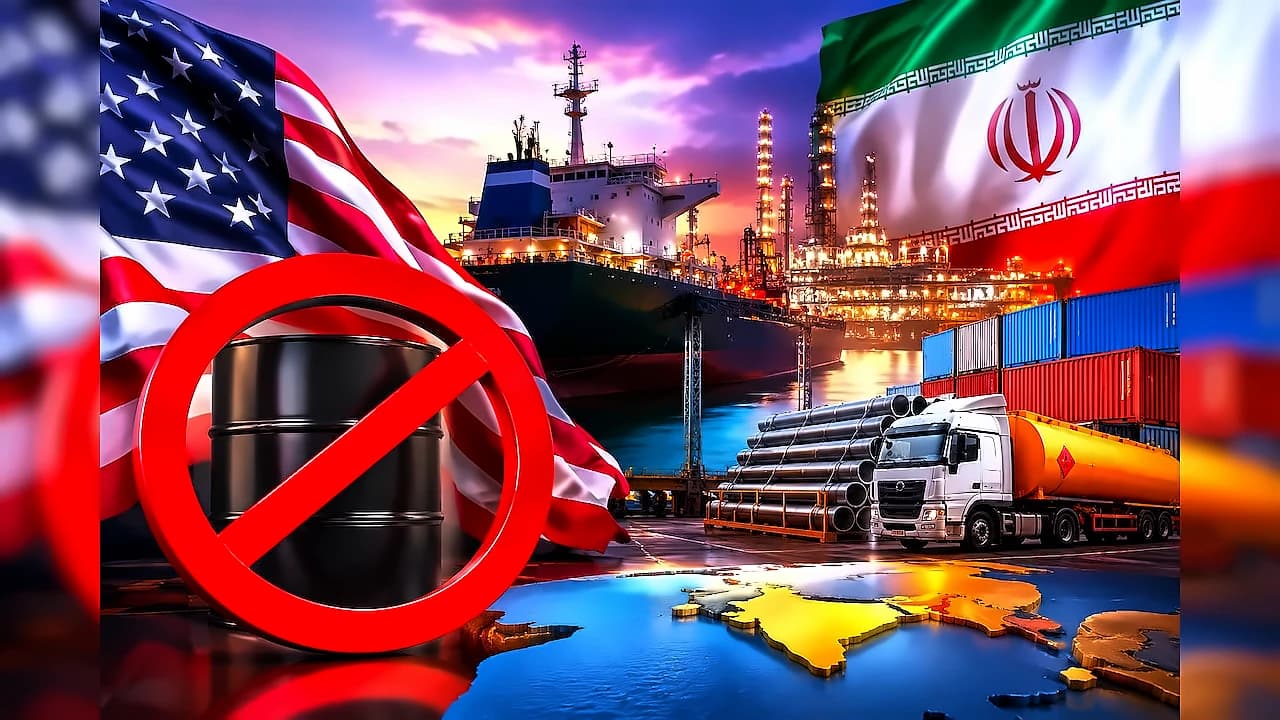
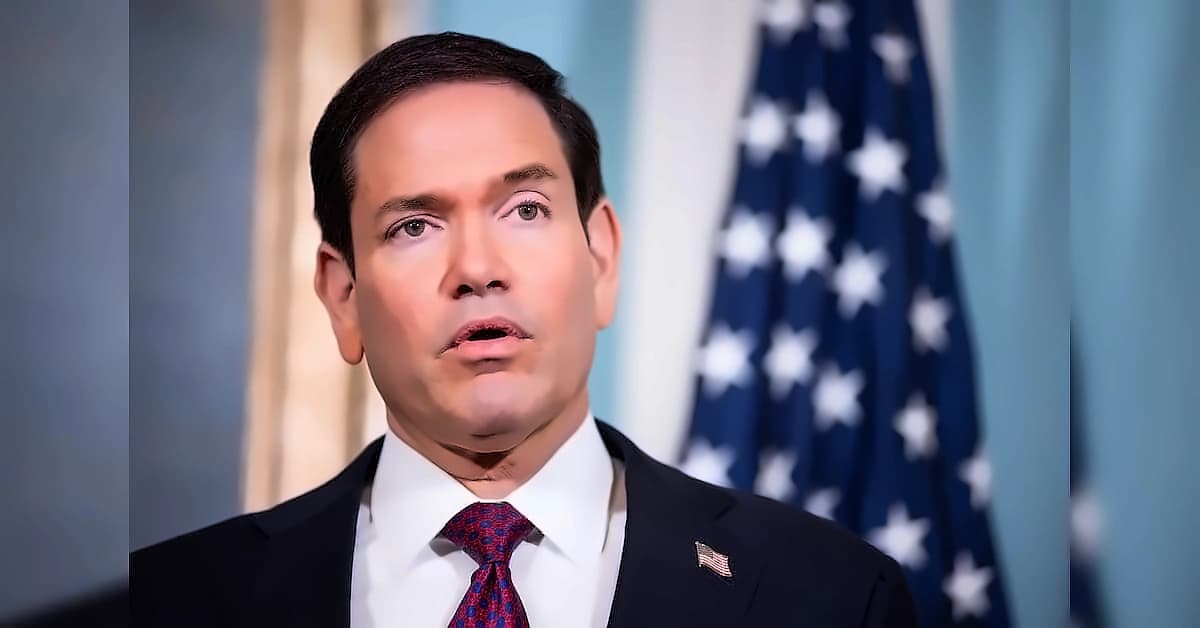
US Secretary of State Marco Rubio has issued a stern warning to countries against helping Iran evade American sanctions, following Prime Minister Narendra Modi's meeting with Iranian President Masoud Pezeshkian at the 26th Shanghai Cooperation Organisation (SCO) Summit in Bishkek, Kyrgyzstan. According to reports from PTI, Rubio stated during an interview on The Brian Kilmeade Show that 'no country should be helping Iran evade sanctions. No country should be out there helping them create mechanisms by which they can generate revenue that they will then use to sponsor terrorism and try to build a nuclear weapon'. 'And if countries decide to do that, then we're going to have to sanction them too,' Rubio emphasized, drawing a clear line at economic activities that Washington believes could help Tehran circumvent sanctions. This warning comes as the Trump administration has sharply escalated its economic campaign against Iran, with US Treasury Secretary Scott Bessent launching 'Operation Economic Outcast' on August 24, describing the effort as an 'economic D-Day' to choke off Iran's remaining economic lifelines. The warning now includes a specific threat of secondary sanctions against nations helping Tehran bypass US restrictions.
Rubio reinforced the Trump administration's position on Iranian sanctions compliance, stating that 'no country should be helping them create mechanisms by which they can generate revenue that they will then use to sponsor terrorism and try to build a nuclear weapon'. As reported by PTI, Rubio warned that 'if countries decide to do that, then we're going to have to sanction them too'. The Secretary of State noted that the US has also met with elements of the Iranian regime in various discussions, indicating that multiple countries maintain diplomatic contacts with Tehran. However, Rubio said Washington drew a line at activities that could help Tehran generate revenue or bypass US sanctions, emphasizing that the Trump administration has made its position clear on countries helping Iran circumvent economic pressure. Rubio also acknowledged India's sovereign right to conduct its own foreign policy, stating 'I don't think there's a trade deal between India and Iran' and noting that even the US maintains direct communication with Iranian government elements when necessary.
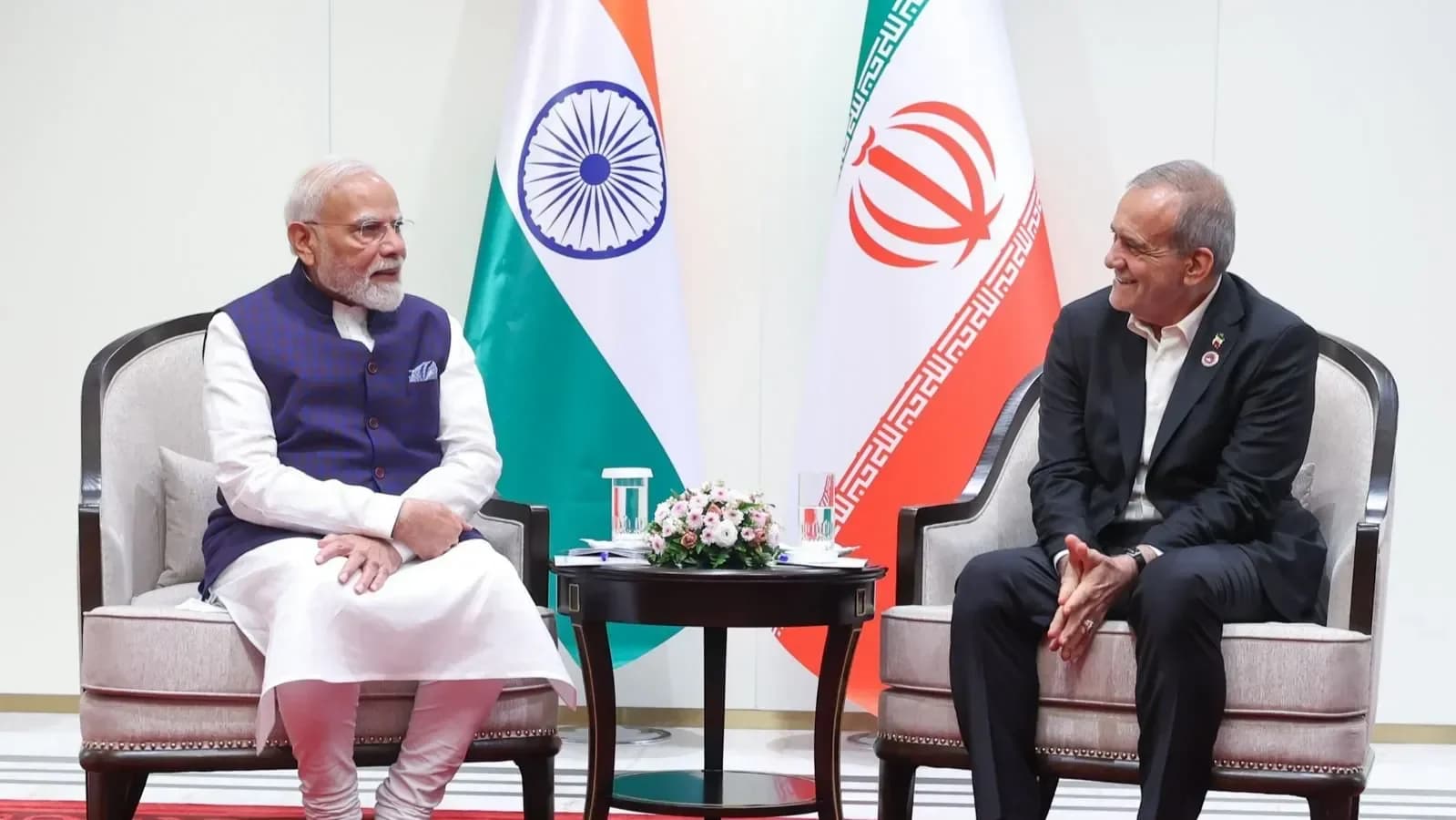
The meeting between Modi and Pezeshkian took place on the sidelines of the 26th Shanghai Cooperation Organisation (SCO) Summit in Bishkek, Kyrgyzstan, according to PTI reports. The diplomatic engagement occurred during the multilateral forum, where leaders from various countries participated in discussions and bilateral meetings. The summit provided an opportunity for regional leaders to engage in diplomatic discussions, including the meeting between the Indian and Iranian leadership. Modi met Pezeshkian on the sidelines of the SCO Summit to discuss bilateral ties, trade and the prevailing situation in West Asia, as reported by PTI. PM Modi met Pezeshkian in Bishkek on Monday for their first bilateral talks since the Iran-US conflict began in February, highlighting the significance of the diplomatic engagement amid ongoing regional tensions. During their meeting, PM Modi and Pezeshkian discussed ways to expand cooperation between India and Iran, with their talks covering the safety of commercial seafarers and the importance of maintaining freedom of navigation amid continuing instability in West Asia.
During their meeting, Modi reiterated India's commitment to strengthening its long-standing friendship with Tehran and said New Delhi wanted to 'expand and diversify' its trade basket with Iran, according to his post on X following the meet. The two leaders also discussed the regional conflict, the protection of civilians and civilian infrastructure, and the need to safeguard freedom of navigation and commerce. According to the Indian side's readout, Modi also stressed the need to protect commercial shipping and seafarers as fighting in the region continues to disrupt maritime traffic. India's Ministry of External Affairs said the discussions focused on diplomatic stability, regional peace and expanding trade through existing international frameworks. The Ministry of External Affairs said PM Modi also expressed concern over the escalation of tensions in the region and reiterated India's longstanding position that disputes should be addressed through dialogue and diplomacy. Iranian Foreign Minister Abbas Araghchi and other senior Iranian delegates were also present during the bilateral meeting, as reported by PTI.
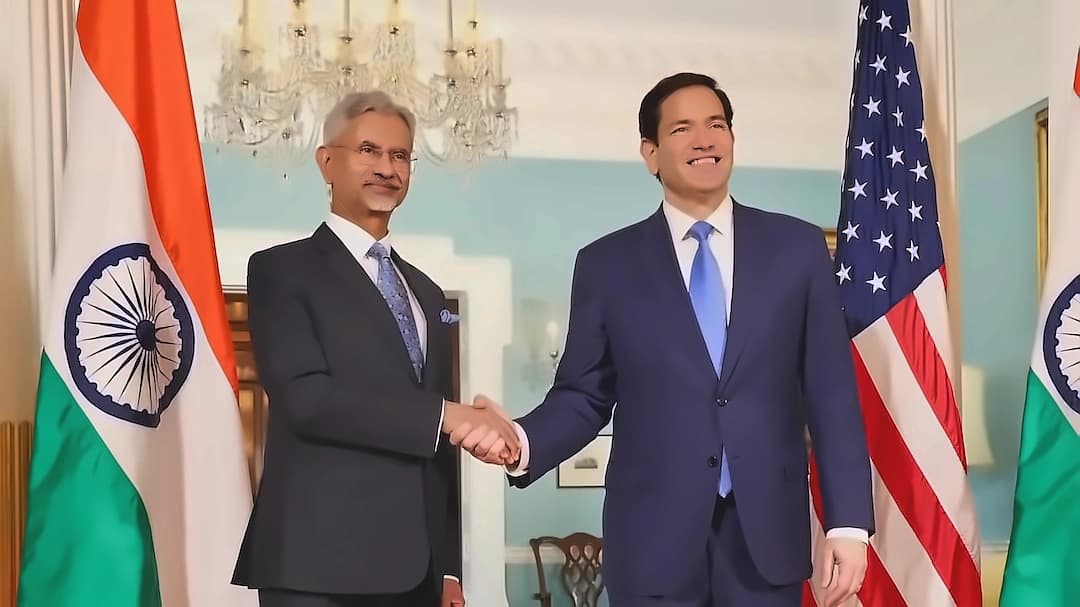
The meeting highlights New Delhi's effort to maintain engagement with Tehran while navigating its strategic relationship with Washington. India maintains longstanding economic and strategic ties with Iran while simultaneously pursuing a major strategic relationship with the United States. New Delhi has consistently advocated dialogue and diplomacy to resolve conflicts in West Asia, while seeking to protect its trade, connectivity and broader strategic interests. As reported by PTI, PM Modi also reiterated India's readiness to cooperate closely with Iran in multilateral organisations, including BRICS and the SCO, and conveyed that he looked forward to welcoming Pezeshkian to India for the BRICS Summit scheduled in New Delhi from September 12 to September 13. Pezeshkian urged Modi to use India's wide-ranging contacts with countries involved in the conflict to encourage dialogue and help end the fighting, according to an Iranian readout of the meeting. India has also continued discussions with Iran and other stakeholders over the future of Chabahar port, a key connectivity project involving the two countries that has faced uncertainty due to US sanctions. The diplomatic engagement reflects India's long-maintained strategic and economic ties with both Iran and the US as it seeks to balance its relationships in the current geopolitical environment.