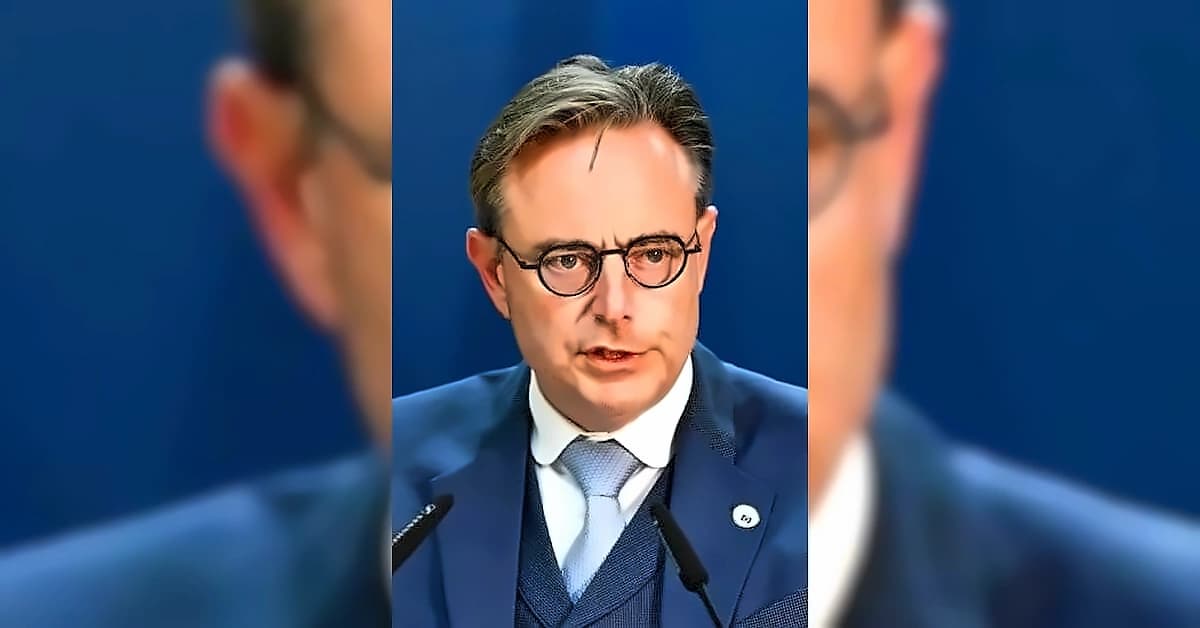
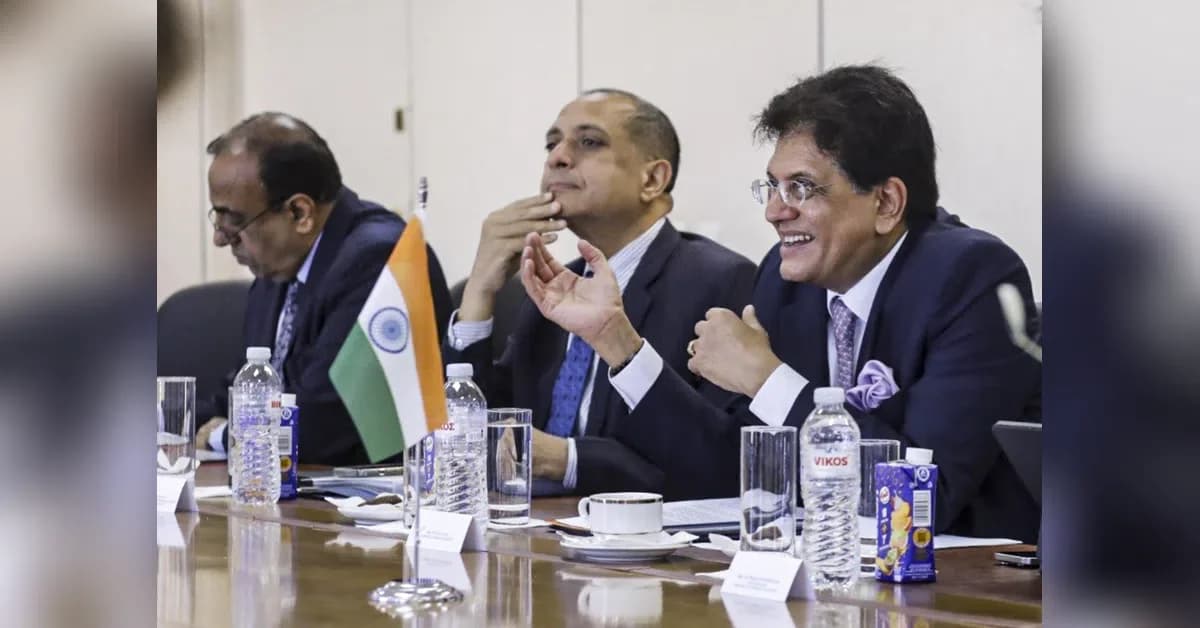
Belgian Prime Minister Bart De Wever arrived in India on September 2, 2025, for his first visit since taking office in February 2025, according to the Ministry of External Affairs. The visit, scheduled from September 2-4, will focus on the India-EU Free Trade Agreement (FTA) and strengthening bilateral economic ties. De Wever will hold bilateral talks with Prime Minister Narendra Modi on September 3, covering the full range of India-Belgium relations and regional issues of mutual interest. The Belgian PM is also scheduled to deliver a keynote address at a Confederation of Indian Industry (CII) business event on the India-EU FTA, as reported by the MEA. The visit follows growing momentum in bilateral ties, with a Belgian Economic Mission led by Princess Astrid in March 2025 bringing 338 participants from companies, chambers of commerce, academia and public institutions to India, resulting in 38 memoranda of understanding.
Speaking about the prospects of a deeper India-Europe strategic partnership, De Wever acknowledged that Europe had undergone a 'rude awakening' over the risks of trade dependencies, as reported by The Times of India. He noted that India had warned European countries about these issues earlier but that the warning was not heeded. "You have lived this history. Your prime minister warned Europe about this long time ago already, but he was ignored. He wasn't listened to. We are listening now. It's a bit late maybe in Europe this awakening, but it is happening," De Wever stated. The Belgian PM described how Europe looked on as overcapacity was dumped below cost on their market, as its industrial base was undermined, and as dependencies were deliberately built up so that they could be used as leverage. He took a veiled dig at China, stating that the country that has profited most from that practice does not lie very far from here, emphasizing that India saw this earlier than we did and they warned us and we're drawing our conclusions now late but we're drawing them nonetheless.
Under the trade deal, often described as 'the mother of all deals', India has offered tariff concessions on 86% of tariff lines, while the EU has offered liberalisation on 97% of tariff lines. According to Business Standard, both sides aim to ratify and implement the agreement in the first half of 2027. However, India has allowed market access for limited farm products from the EU, with sensitive sectors including dairy, cereals, poultry, soymeal, certain fruits and vegetables excluded from the agreement. The India-EU FTA, concluded in principle earlier this year after nearly two decades of negotiations, is expected to provide duty-free or near-duty-free access to a large share of Indian exports into the European market. EU agricultural exports to India are currently around ₹1.3 billion euros, but EU Counsellor Piotr Stachowiak expects these exports to more than double in five years once the FTA is ratified, with projections of additional ₹1.5 billion euros in agricultural exports if the sector grows as expected. Commerce Minister Piyush Goyal has said the agreement could be formally signed by December and potentially come into force between February and March next year.
During his visit, De Wever will subsequently travel to Mumbai on September 4 to engage with stakeholders from key sectors including diamonds, ports and logistics, according to the MEA. The visit is expected to provide an opportunity to advance India-Belgium cooperation in trade and investment, alongside areas including defence and security, technology, renewable energy and connectivity. A major focus is expected to be the ports sector, with De Wever announcing that a full delegation from Belgium's port community will visit India in February next year to explore opportunities in ports, logistics, connectivity and related infrastructure. The two countries are also seeking greater cooperation in technology, renewable energy, ports, maritime connectivity, supply chains and security. Belgium's expertise in dredging could also open up fresh avenues for collaboration. The visit is expected to provide an opportunity to advance India-Belgium cooperation in trade and investment, alongside areas including defence and security, technology, renewable energy and connectivity.
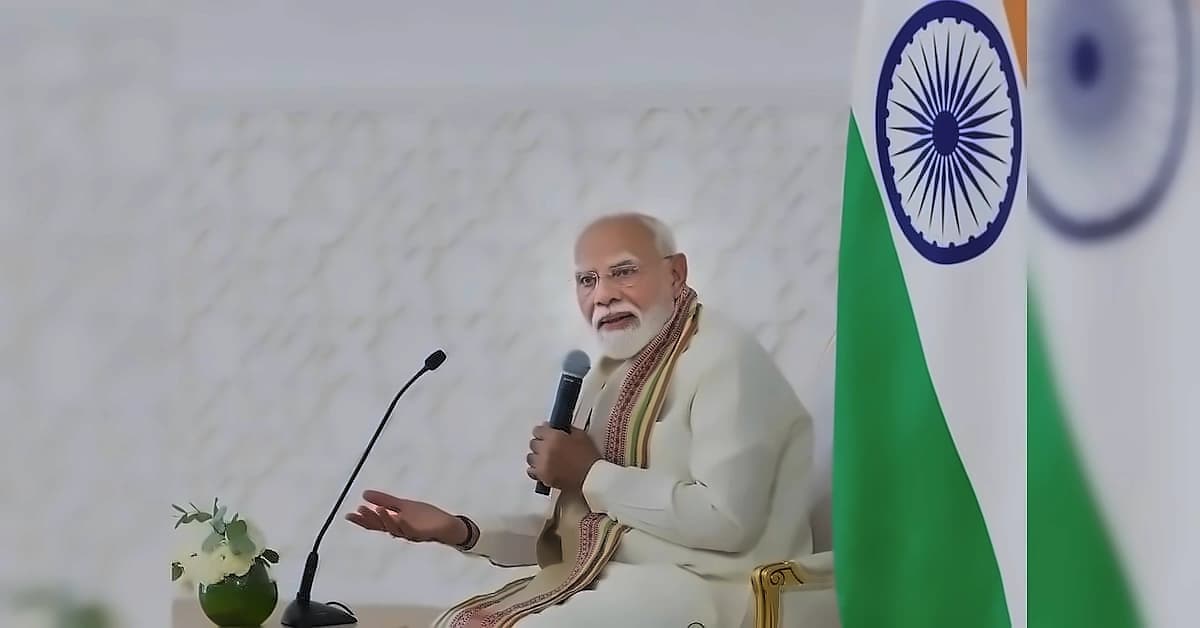
India-Belgium bilateral trade reached $13.01 billion in 2025-26, with diamonds continuing to account for a significant share of commerce. Belgium has also invested around $4.2 billion in India since April 2000. During PM Modi's meeting with De Wever on Thursday, India and Belgium set a target of doubling bilateral trade over the next five years. The two sides also signed a Letter of Intent on Defence Cooperation and a separate memorandum of understanding between the Belgian Security and Defence Industry Association and the Society of Indian Defence Manufacturers. The agreements are aimed at strengthening defence-industrial cooperation and facilitating greater access to Belgian markets and expertise. The Belgian PM expressed sincere condolences to the families of Indian citizens who lost their lives following the devastating flash floods in Nepal on August 26. Civil Aviation Minister Ram Mohan Naidu held talks with De Wever during the Belgian prime minister's three-day India visit, which concluded on September 4. Naidu said the conclusion of India-EU free trade agreement negotiations could create significant scope for expanding bilateral trade and investment, with the two countries also discussing strengthening civil aviation cooperation, including direct air connectivity, pharmaceutical air cargo and advanced air mobility.