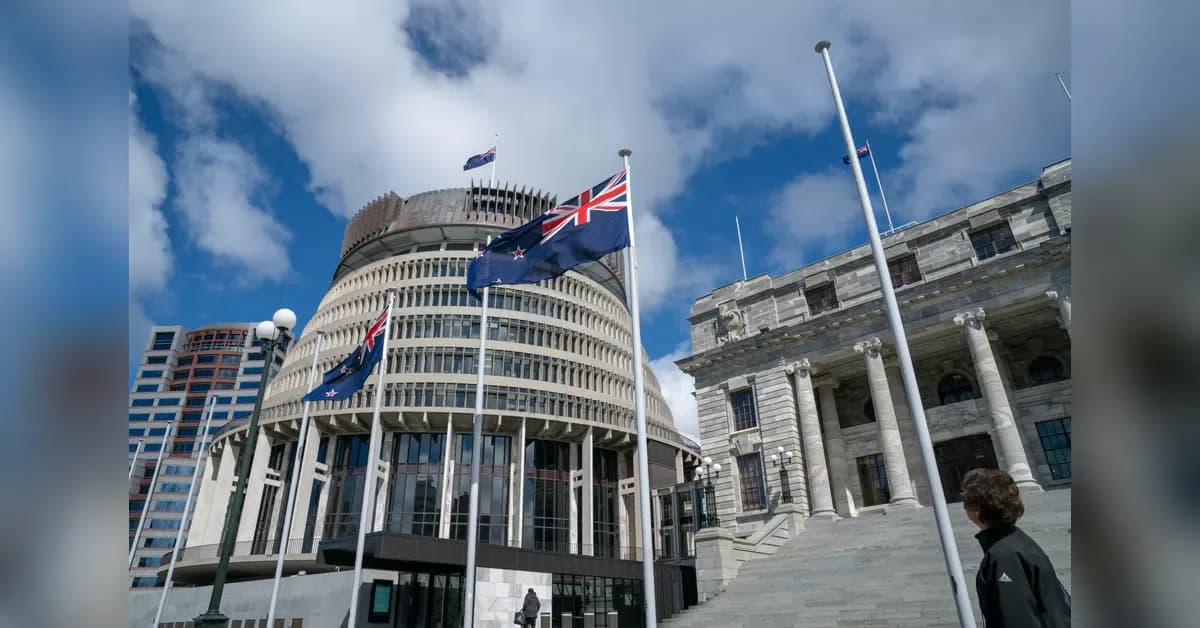
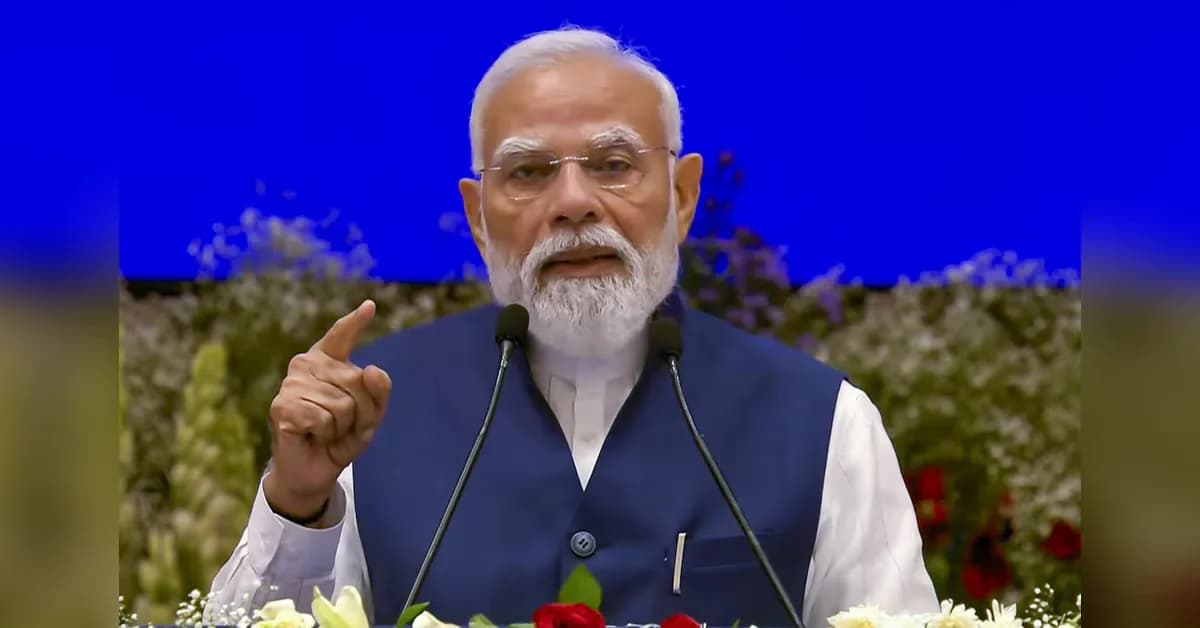
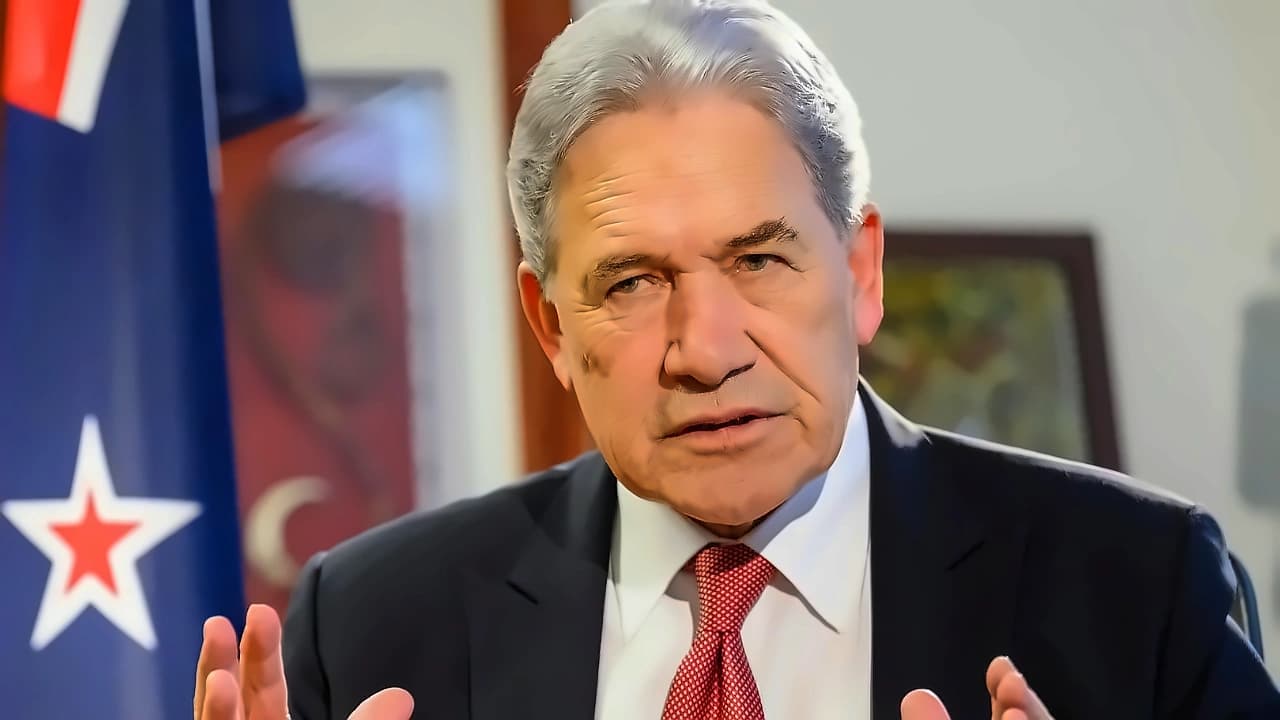
Foreign Minister Winston Peters has escalated the coalition dispute over India-related immigration settings into a full-blown diplomatic crisis, warning that 'fidelity and transparency are critical' in New Zealand's relations with India. Speaking to reporters on Thursday, Peters framed the issue around India's most senior political figures - Prime Minister Narendra Modi and cabinet ministers S Jaishankar and Piyush Goyal. Asked whether he was worried about New Zealand-India relations, Peters said that was his 'major worry'. 'I'm not going to see Jaishankar, who I know very well, and have me look in the face and say, 'I wasn't honest with him,'
The Ministry of External Affairs has clarified India's position on migration issues ahead of PM Modi's visit, emphasizing the country's focus on facilitating skilled professional mobility rather than broader migration concerns. Secretary (East) Rudrendra Tandon stated during a special briefing that 'our focus is actually mobility. It is part and parcel of our trade agreements, and it's very important to maintain that distinction'. The MEA confirmed that India's priority remains facilitating the movement of high-skilled professionals, including CEOs and technical experts, noting that 'experience has shown us that over a period of time, the hassles faced by our technical experts do create the effect of a de facto non-tariff barrier'. 'The Government of India has been trying to improve the prospects of mobility for our high-skilled workers, our CEOs, our technical experts,' Tandon added, as reported by Business Standard.
The immigration debate has intensified into a diplomatic row over whether New Zealand can be honest with India's leaders about the Free Trade Agreement's mobility provisions. According to The Times of India, Peters claimed internal papers showed officials were conscious of the timing of Modi's expected visit, stating 'all these civil servants are saying, please don't let this get out before Modi comes here.' Peters' central claim is that India's leaders publicly understood the FTA's mobility provisions as a significant and unique gain for Indian nationals, while New Zealand was preparing settings that would limit what those gains meant in practice. 'And all of a sudden they're going to find out that's not the truth,' Peters said, as Modi and Goyal had been 'making a big impression' of the deal, saying Indians were going to be 'uniquely treated for the first time by any country.'
The immigration dispute has created significant tensions within the coalition government, with Immigration Minister Erica Stanford accusing Peters of breaking from usual Cabinet processes. Stanford had accused Peters of taking India trade deal discussions public before final decisions had been made, stating 'I certainly don't think it's helpful for the relationship that we have with the Indian government for this to be playing out'. Stanford pushed back on Peters' claim that the matter had been handled covertly, saying the relevant papers had been sent to Peters, the foreign affairs ministry and the trade minister for feedback. 'I've followed the process, it's been sent to his office... and he's chosen to take this route,' she said. 'It's not the usual route we don't talk about this publicly.'
Prime Minister Narendra Modi's upcoming visit to New Zealand on July 11 represents the most significant visit by an Indian prime minister to the country in forty years, with Modi becoming the first Indian Prime Minister to visit New Zealand in four decades. The visit is part of Modi's three-nation tour covering Indonesia (July 8-9), Australia (July 10), and New Zealand (July 11). Modi's upcoming trip is meant to showcase a reset in India-New Zealand relations after the signing of the FTA, instead of which the lead-up is now being overshadowed by an unusually public coalition dispute over the deal. The timing of these immigration changes adds complexity to the already sensitive diplomatic relationship between the two countries, particularly as New Zealand faces growing anti-immigration sentiment and concerns over overtourism.
At present, there is no change to New Zealand's immigration rules for Indian citizens, but the proposed restrictions remain under active consideration. For Indian students, skilled professionals and workers considering New Zealand, the current visa rules continue to apply, though any approved policy changes could alter work visa eligibility or application procedures. The recently signed India-New Zealand Free Trade Agreement on April 27 specifically addressed the mobility concerns, with MEA Secretary Tandon noting that 'this question was tried to be addressed in the recently signed India-New Zealand FTA'. 'Once it comes into effect, we will know how successful that has been,' Tandon added, as reported by Business Standard. These developments reflect New Zealand's broader immigration policy shifts amid growing anti-immigration sentiment and concerns over overtourism, with the dispute now moving beyond domestic policy to questions of diplomatic trust and transparency.