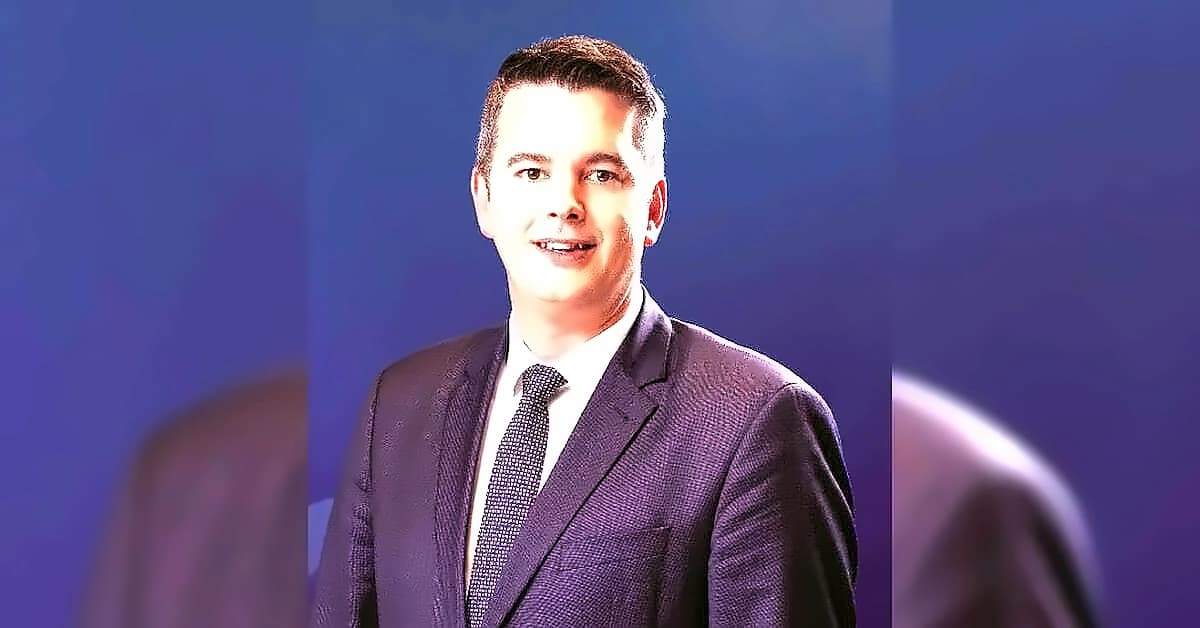
Deputy Prime Minister Thongsavan Phomvihane of Lao PDR invited Indian businesses to explore competitive advantages offered by his country, emphasizing that Laos is seeking 'strategic partners' rather than just investors. According to reports from ANI, Phomvihane addressed the India-Laos Business Forum hosted by the Indian Chamber of Commerce (ICC) on Wednesday, the concluding day of his three-day official visit to India. The Deputy PM, who also holds the foreign affairs portfolio, highlighted Laos' strategic location and policy reforms as key attractions for potential investors. 'In Laos, we do not simply seek investors; we seek strategic partners. We are fully committed to working with you to co-create sustainable solutions, leverage our growing digital infrastructure, build resilient regional and international supply chains, and promote shared prosperity,' he stated. As per Economy & Policy News, Phomvihane positioned Laos as one of the most politically-stable countries in the region and emphasized the country's strategic positioning as a land-linked hub rather than a landlocked economy. According to Rediff Moneynews, Phomvihane emphasized that his country is 'uniquely positioned' to attract foreign direct investment and has 'immense potential' for cooperation, particularly in cultural and eco-tourism sectors. The visiting leader added that he was confident that the outcomes of this forum will make a significant contribution in boosting the economic cooperation between the two countries.
As reported by ANI, the strong political relationship between India and Laos has translated into tangible economic partnerships with bilateral trade exceeding USD 82 million. According to Phomvihane, Lao PDR's exports to India amounted to more than USD 50 million, while imports from India totalled around USD 30 million. The Deputy PM highlighted that 'Our robust political ties have successfully translated into tangible economic partnerships in many forms' and noted that this has led to further expansion of trade, creation of new opportunities, and strengthened goodwill between the two nations. Laos exports electrical and electronic equipment, agricultural products and manufactured goods to India, while importing vehicles, machinery, pharmaceutical products, textiles and electronic materials from the Indian market. According to Economy & Policy News, Additional Secretary Prashant Agrawal from India's Ministry of External Affairs noted that the Indian market offers zero tariffs for goods and produce from Laos as part of the Duty Free Tariff Programme, while companies operating in Laos' special economic zones can readily serve the neighbouring ASEAN market at minimal duty. As per Rediff Moneynews, Phomvihane noted that over decades, bilateral cooperation has grown stronger across multiple areas, with the 'bedrock of trust' between the two countries translating into 'deep diplomacy'. President Murmu noted that trade between India and Laos has shown positive growth in recent years, though considerable untapped potential remains, and encouraged greater cooperation in trade and investment, saying stronger economic engagement could deliver significant benefits for businesses and communities in both countries.
During his meeting with President Droupadi Murmu at Rashtrapati Bhavan, Phomvihane discussed renewed focus on trade, investment, technology and development partnerships that can support growth and create new opportunities for both countries. According to ANI, the leaders agreed that closer collaboration across economic, technological and developmental sectors would strengthen ties further and deliver tangible benefits to the people of India and Laos. President Murmu highlighted India's readiness to expand collaboration in information and communication technology, healthcare, medicine, agriculture, irrigation, manufacturing, renewable energy and electricity. The President also emphasized India's willingness to share its experiences in innovation, digital transformation and the development of a knowledge-based economy, areas that are becoming increasingly important for sustainable growth. As per Rediff Moneynews, Additional Secretary Prashant Agrawal termed Phomvihane's visit a 'historic one', coinciding with the 70th anniversary of the establishment of diplomatic ties between the two countries. He noted that 'Lao PDR occupies a very special place in the heart of people of India,' and emphasized that there is substantial scope to deepen cooperation in energy security, food security, and resilient supply chains, with the AITIGA under review creating stronger foundations for business and investment between India and Laos.
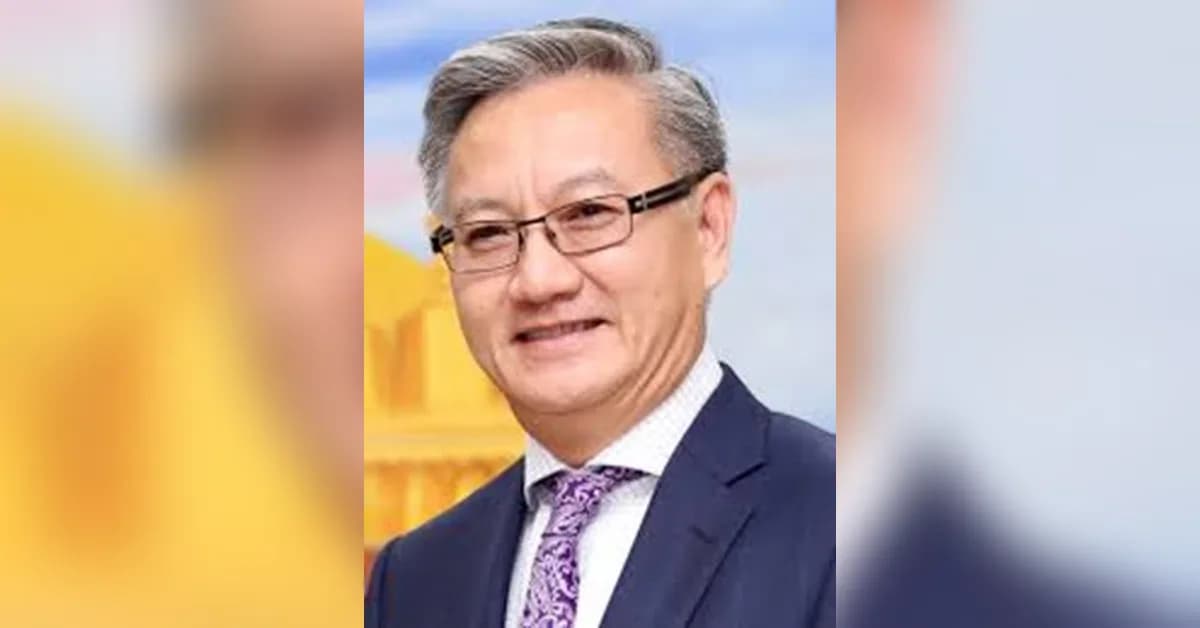
Addressing the growing menace of cybercrime and cyber-slavery networks operating in Southeast Asia, Phomvihane asserted that tackling internet scams is a top national priority for Laos. He expressed strong readiness to partner with New Delhi to protect citizens from both nations. 'Internet scams are something very active nowadays. Tackling this is the Lao People's Democratic Republic's priority. It was one of our national agendas to address that scamming,' he told ANI. 'Recently, with the very good collaboration of our neighbouring countries and with other partners, we have quite successfully tackled that. With India, we are ready. We have good collaboration to tackle this because I think it's in the interest of both countries to tackle this,' he added. The Deputy PM highlighted that 'nowadays the situation around us is not easy; it's very hard to predict' and emphasized that 'we think that between us and India, we have very long and good relations. This year is the 70th anniversary of our diplomatic relations. So we have seven decades of our very good relations'. He stated that 'it is time for us to look deeper into how to explore more tangible outcomes of our relationship' and called for a 'deeper strategic push' to achieve 'tangible outcomes' as the two countries mark the 70th anniversary of their diplomatic relations.
According to ANI, Phomvihane positioned Laos as a land-linked hub rather than a landlocked economy, supported by growing connectivity through the Laos-China Railway. The country is strategically situated at the heart of the Mekong region and shares borders with China, Vietnam and Thailand. The Deputy PM emphasized that 'Our strategic location in the heart of the Mekong sub-region, sharing borders with five countries, which positions it as a gateway connecting regional and international markets'. The Laos-China Railway has dramatically improved the region's logistics and trade connectivity, with lowered transportations costs and improved access to regional supply chains making Laos more attractive to foreign investment. Laos is undergoing a broader economic transformation focused on green growth and digital development, with the country having abundant renewable energy resources, a growing digital ecosystem and a competitive workforce. The Lao government has identified agriculture and agro-processing, cultural and eco-tourism, industrial development and special economic zones as priority areas for investment, with these sectors expected to be at the core of the country's efforts to become a regional production and processing hub.
According to ANI, Lao PDR has implemented significant reforms including improvements to the Law on Investment Promotion and a new decree on industrial parks. Officials highlighted investment opportunities and detailed incentives available to investors, including profit-tax holidays for companies operating in sectors such as clean agriculture, agro-processing, industry, education and skill development, tourism and public infrastructure. The incentives also include exemptions from customs duties, land concession and rental fees, and a fixed personal income tax rate of 5 per cent for specialists. On the policy front, Phomvihane said the Laos government has introduced several reforms to modernise the investment climate through the implementation of the Law on Investment Promotion and related regulations, including streamlined investment procedures, expanded digital government services and competitive tax and financial incentives for investors. In a bid to attract international investors, the Southeast nation has launched reforms to improve the business environment, including simplified investment procedures, expanded digital government services and a host of tax and financial incentives under the country's investment promotion framework.