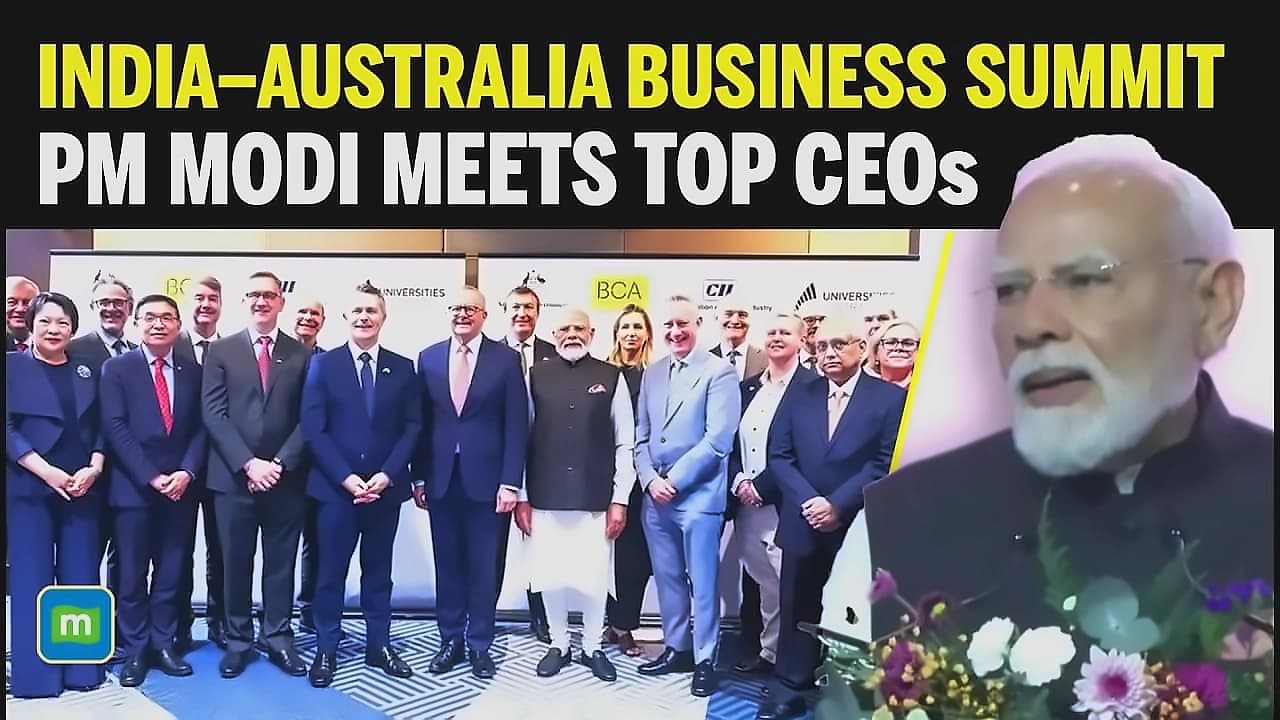
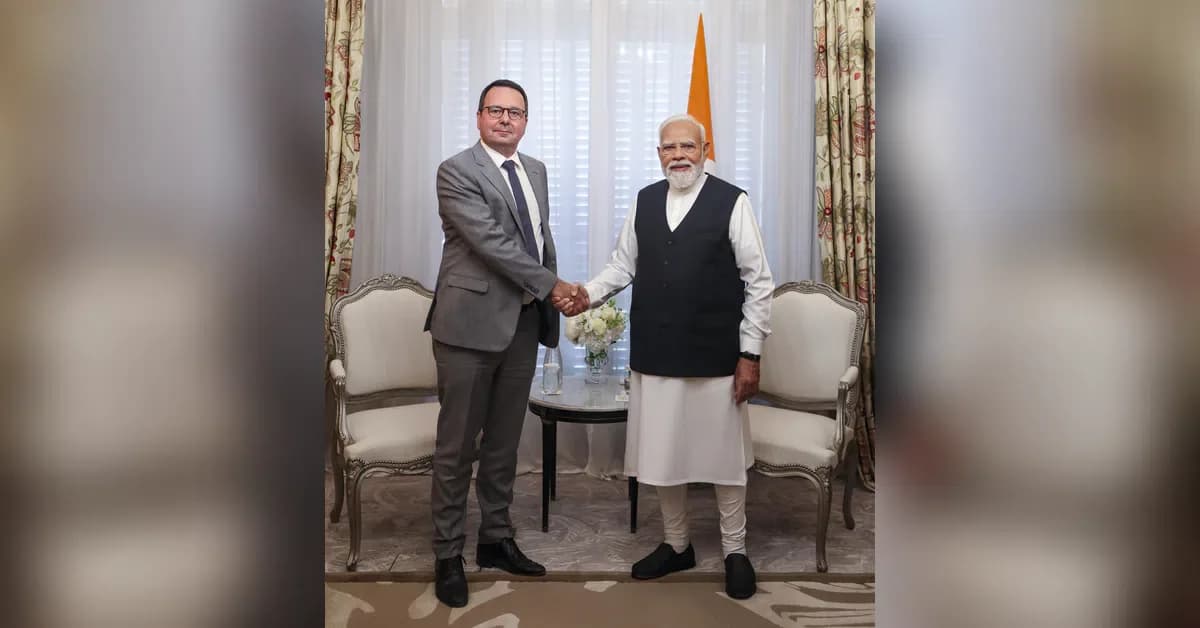
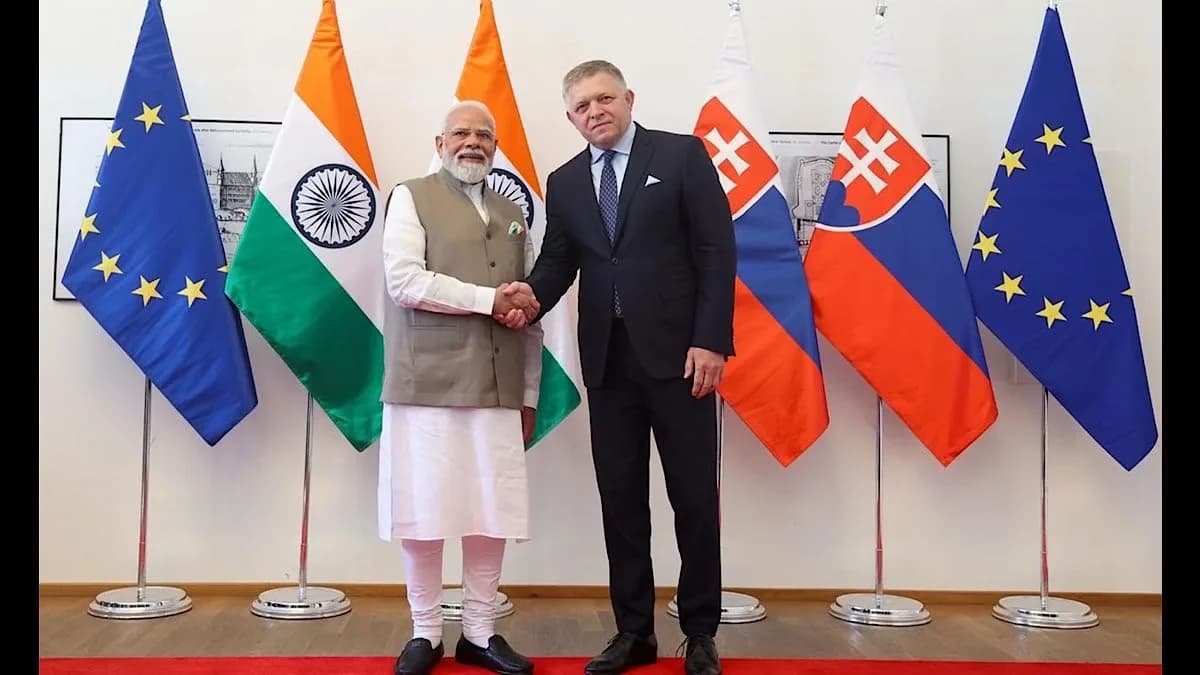
Prime Minister Narendra Modi and Slovakia's Prime Minister Robert Fico conducted comprehensive interactions with major business and industry leaders from Slovakia across multiple sectors. According to an official government release, the meeting brought together leading executives from sectors such as railways, defence, automobiles, energy, information technology and healthcare, underlining the growing economic engagement between India and Slovakia. The interaction formed part of Modi's engagements in Slovakia aimed at expanding bilateral cooperation beyond traditional areas and fostering stronger economic and technological partnerships. Among those who attended the interaction were Alexej Baljajev, Chairman of Tatravagonka; Peter Malec, Vice-Chairman of Tatravagonka; Robert Spisak, Chairman of AZC Group; Richard Marko, Chief Executive Officer of ESET; Parvinder Walia, President of the Asia-Pacific Region at ESET; Jaroslav Kuracina, CEO of Grand Power Ltd; Peter Lednicky, CEO of Penta Hospitals International; Stefan Rosina, CEO of Matador; Rajesh Sabne, Managing Director and CEO of Matador Technologies India Pvt. Ltd.; Matej Korec, General Director of VUJE a.s.; Peter Duchovic, CEO of VIPO; Andrej Bencel, Head of Digital Competence at VIPO; Jozef Omelka, Managing Director of MicroStep-MIS; Richard Varga, Chairman and CEO of VRM; Eduard Cristea, Marketing Manager of VRM; Miloslav Curilla, Member of the Board of Directors of Eco Investments; and Tibor Gregor, Executive Director of Klub 500.
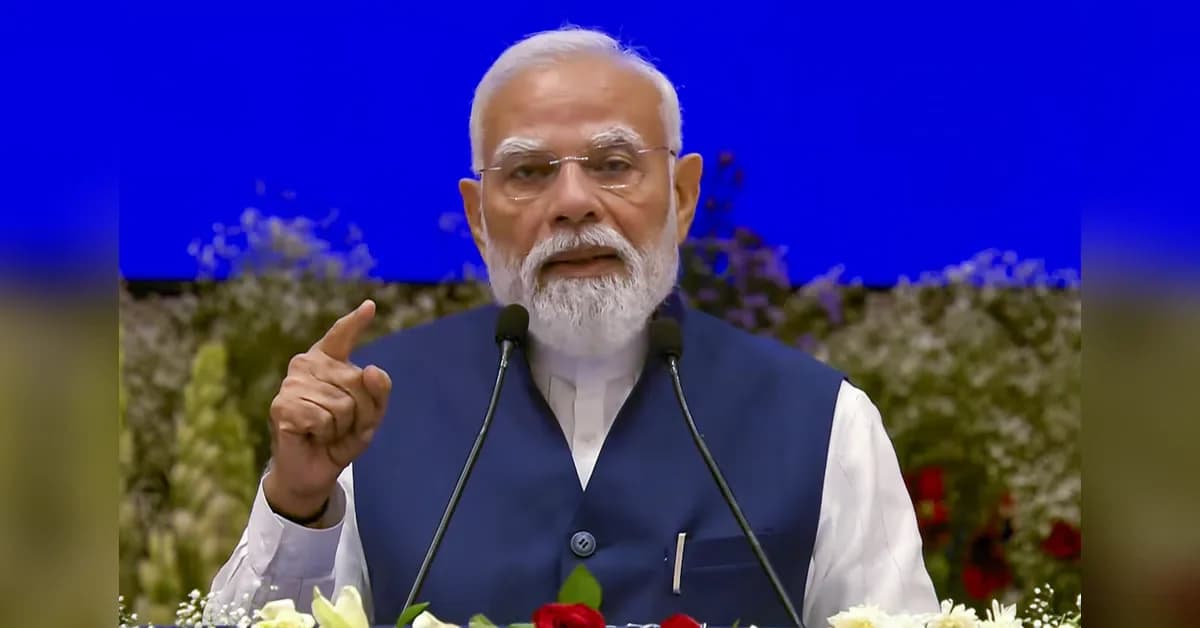
Prime Minister Modi highlighted India's significant reforms and policy initiatives introduced in recent years to enhance the business environment. As reported by the government release, he emphasized the major reforms aimed at promoting ease of doing business and fostering a transparent, stable and investor-friendly economic environment. These measures have helped create significant opportunities for international companies and contributed to India's economic transformation story. The Prime Minister appreciated the expanding business-to-business engagement between India and Slovakia and highlighted the major reforms and policy initiatives introduced by India in recent years to promote ease of doing business and foster a transparent, stable and investor-friendly economic environment.
The Prime Minister invited Slovak companies to capitalize on the growing opportunities in India, particularly focusing on key sectors. According to the government release, he specifically highlighted opportunities in infrastructure, defence manufacturing, renewable energy, digital innovation, semiconductors, artificial intelligence and healthcare. These sectors represent significant growth areas where Slovak companies could establish meaningful partnerships and investments in the Indian market as part of India's Viksit Bharat vision of becoming a developed nation by 2047. The interaction encouraged Slovak companies to explore emerging opportunities in India across key sectors such as infrastructure, defence manufacturing, renewable energy, digital innovation, semiconductors, artificial intelligence and healthcare.
Business leaders attending the event expressed optimism about India's economic prospects and praised the government's reforms undertaken to strengthen bilateral cooperation. As reported by the government release, they indicated their willingness to strengthen their presence in India through fresh investments, technology cooperation and collaborations with Indian companies. The executives also welcomed the conclusion of the India-European Union Free Trade Agreement, noting that its implementation would generate new opportunities for trade, investment and industrial cooperation between Indian and European businesses. Industry leaders participating in the event expressed confidence in India's economic trajectory and conveyed their interest in expanding their presence in the Indian market through increased investments, technology collaborations and joint ventures with Indian enterprises.
Industry leaders welcomed the conclusion of the India-European Union Free Trade Agreement, saying its implementation would create fresh opportunities for trade and investment. According to the government release, they noted that the agreement would help unlock new business opportunities and facilitate deeper economic cooperation between Indian and European companies. The business representatives also welcomed the conclusion of the India-European Union Free Trade Agreement, saying its implementation would create fresh opportunities for trade and investment and further strengthen commercial linkages between India and European businesses. This development is expected to benefit both countries' business communities through enhanced trade facilitation and market access opportunities.