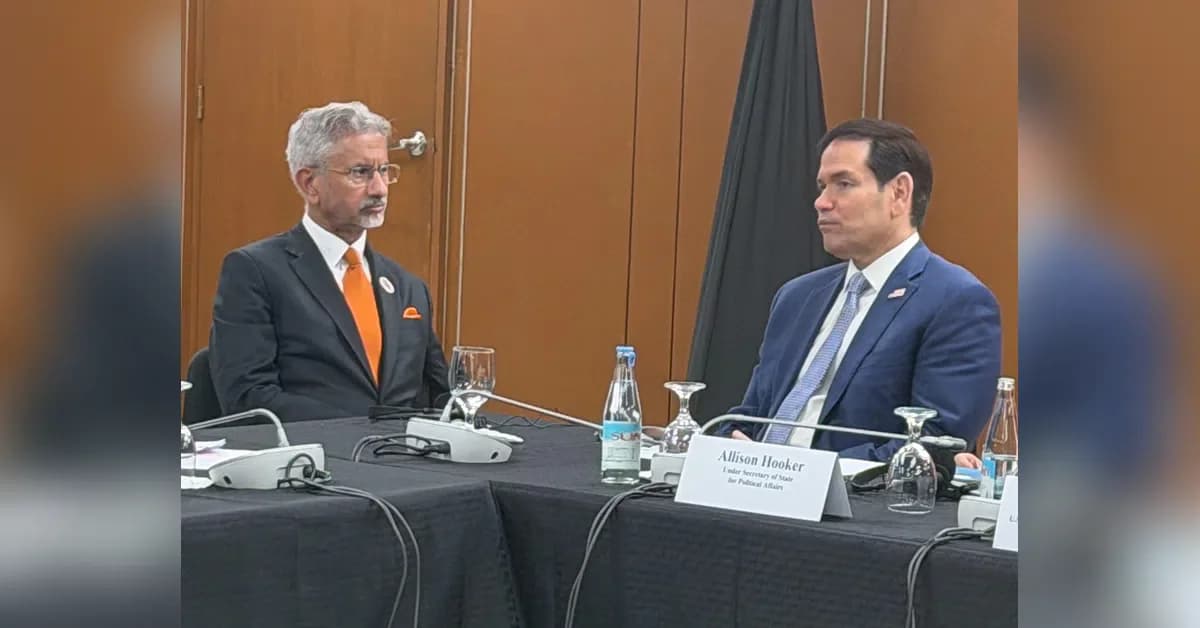
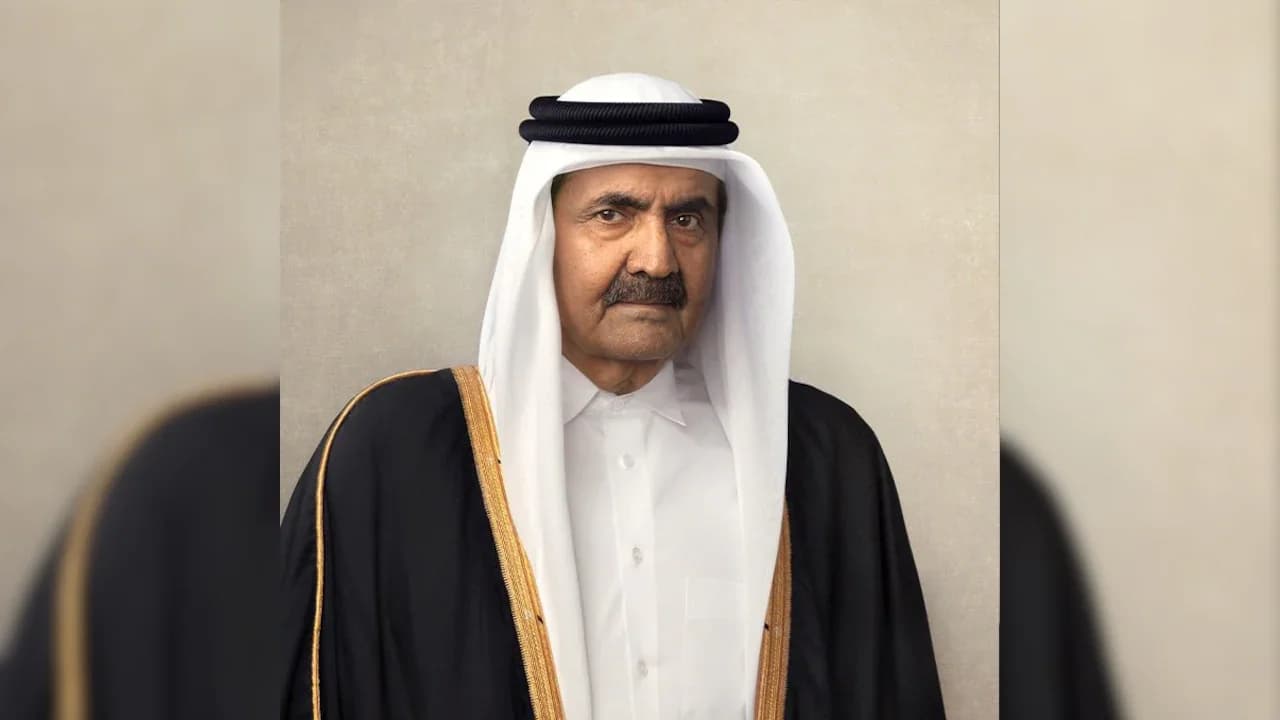
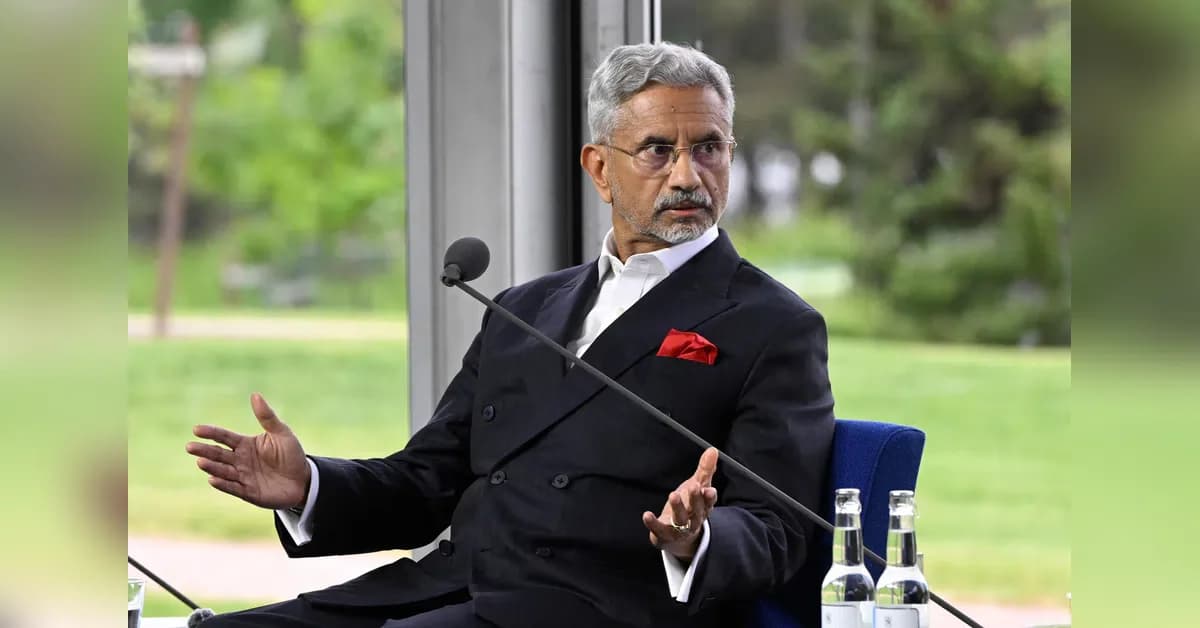
External Affairs Minister S. Jaishankar concluded his pivotal visit to Qatar on July 5, 2026, marking a significant step in reinforcing the long-standing strategic partnership between New Delhi and Doha. According to the Ministry of External Affairs press release, during the visit, Jaishankar held extensive bilateral discussions with Sheikh Mohammed bin Abdulrahman Al Thani, the Prime Minister and Minister of Foreign Affairs of Qatar. The talks centred on deepening cooperation across key sectors, including energy security, trade, and strategic investments, while also reaffirming the vital 'people-to-people' ties that serve as the backbone of the relationship. As reported by ANI, Jaishankar described the meeting as 'a pleasure' and thanked the Qatari leadership for ensuring the safety and well-being of the Indian community in the Gulf nation. The discussions covered a wide range of areas of bilateral cooperation, including energy, trade, investments, connectivity, security and people-to-people ties, with both leaders reviewing the entire spectrum of bilateral relations with a focus on energy, trade, investments and people-to-people ties.
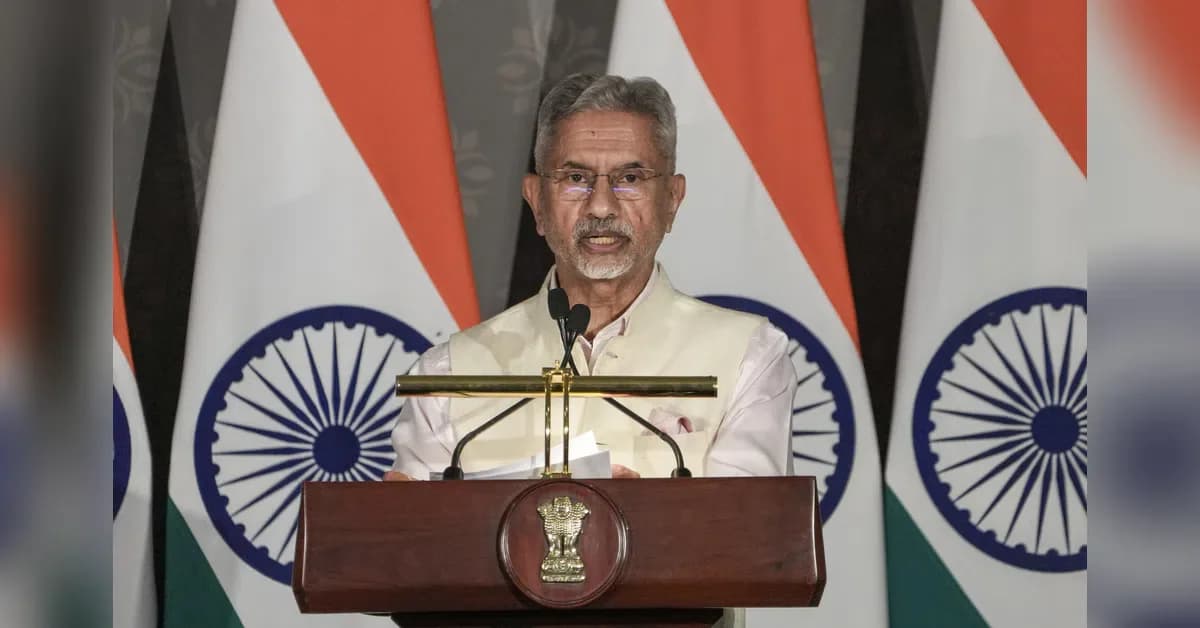
A major highlight of the discussions was the regional security landscape, with Jaishankar specifically commending Qatar for its prominent and proactive mediation role in the ongoing US-Iran negotiations. As reported by the Ministry of External Affairs, the EAM acknowledged Doha's contribution to regional de-escalation efforts. 'EAM commended the prominent and active mediation role played by Qatar in the ongoing US-Iran negotiations,' the press release stated. The discussions also covered regional and multilateral issues of mutual interest, with Jaishankar also appreciating Qatar's sharing of assessments on the ongoing West Asia conflict and its impact on the region, with the EAM stating 'Appreciate his sharing of assessments on the West Asia conflict and its impact.' Recent developments show that Qatar, Pakistan and other regional mediators are attempting to reduce hostilities between the United States and Iran and restart talks on a nuclear agreement, according to reports. An urgent diplomatic effort to reduce extreme military tensions is being spearheaded by Qatar, Pakistan, Egypt, and Saudi Arabia, with the goal of preventing the collapse of a precarious peace framework.
Both leaders reviewed the full spectrum of bilateral relations, identifying new pathways to boost trade and investment flows between the two nations, which remain crucial partners in the energy sector. According to the Ministry of External Affairs, the discussions covered various facets of their bilateral cooperation, including energy, trade, investments, connectivity, security and people-to-people ties. As reported by ANI, the EAM stated that 'Reviewed various facets of our bilateral cooperation especially energy, trade, investments, connectivity, security and people-to-people ties. Explored new opportunities for deepening our Strategic Partnership.' The EAM also met with representatives of the Indian diaspora in Qatar, lauding their resilience and steady commitment to deepening the India-Qatar partnership, particularly during the recent period of regional volatility. Jaishankar on Sunday described the meeting as 'a pleasure' and thanked the Qatari leadership for ensuring the safety and well-being of the Indian community in the Gulf nation.
India and Qatar elevated their ties to Strategic Partnership during the state visit of the Amir of Qatar, Sheikh Tamim bin Hamad Al-Thani, to India in February last year. As reported by the Ministry of External Affairs, Jaishankar described the meeting as 'a pleasure' and thanked the Qatari leadership for ensuring the safety and well-being of the Indian community in the Gulf nation. The EAM also interacted with representatives of the Indian community and commended their resilience during the challenging time of regional conflict and appreciated their commitment to deepening India-Qatar partnership. During the visit to these countries, he will be meeting with his counterparts and the leadership, as reported by ANI. The strategic partnership framework continues to strengthen bilateral cooperation across multiple sectors and serves as a foundation for enhanced collaboration between the two nations.