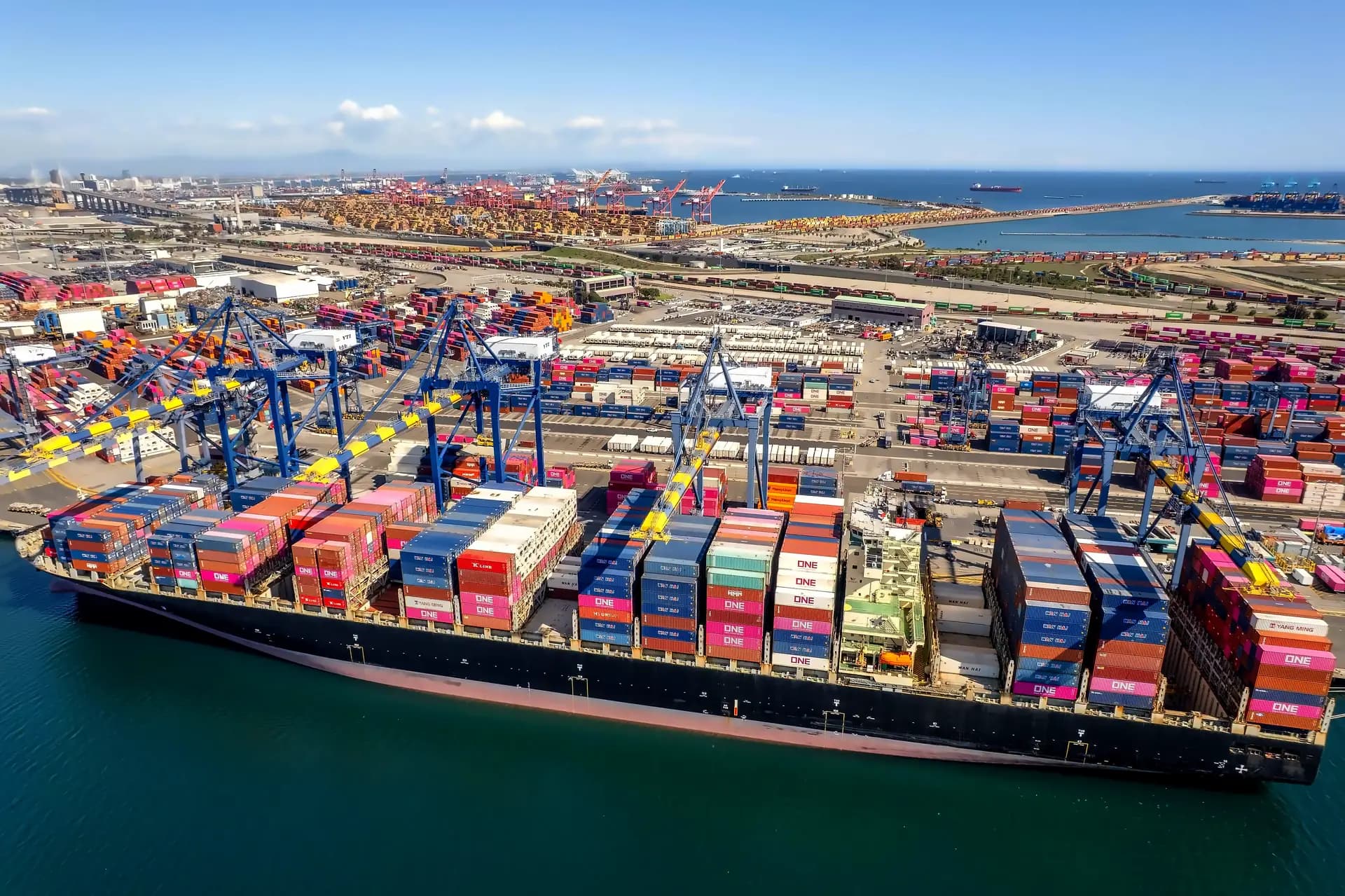
India's trade relationship with BRICS nations has deteriorated dramatically, with the trade deficit reaching ₹130 billion ($130 billion) in H1 CY2026, representing a 17.2% year-on-year increase from the previous period. According to latest data from Rubix Data Sciences, exports to BRICS countries increased by 23% to $48 billion, while imports surged 208% to $178 billion, highlighting the skewed nature of India's trade relationships within the grouping. The deficit is concentrated among key partners, with China and Russia accounting for 61% of India's total BRICS trade deficit, with China alone contributing $62.9 billion and Russia adding $33.6 billion in H1 CY2026. The bloc accounts for 43% of India's merchandise imports but only 20% of its exports, creating a fundamental imbalance in India's BRICS trade relationships.
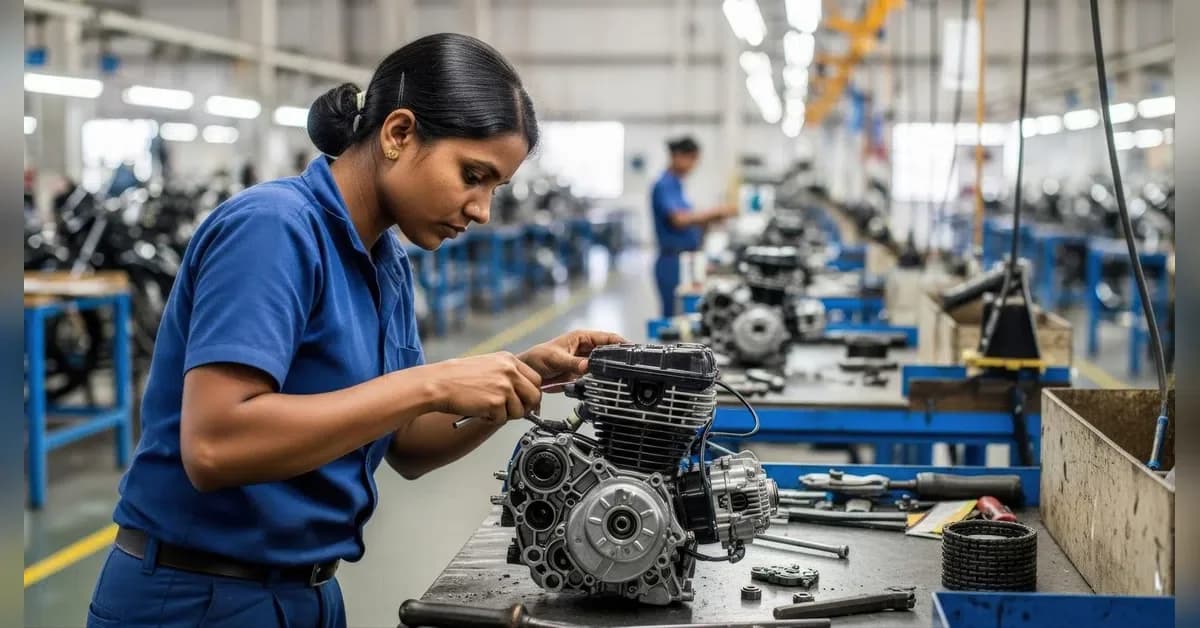
India is experiencing significant progress in six emerging sectors that are reshaping its industrial landscape. According to a September 2026 market report, these sectors include space, semiconductors, data centres, electronics, solar manufacturing, and aerospace, where commercial activity is expanding and domestic capabilities are developing. Jefferies estimates that domestic value addition in mobile components could increase from below 20% to approximately 50% over the next six years, involving greater domestic production of components and other inputs used in electronics manufacturing. The development of local component manufacturing could also expand opportunities for suppliers and manufacturers further up the electronics value chain.
China supplied at least 80% of India's imports across 71 electronics product lines in 2025-26, according to a new study released on the eve of the BRICS Summit. This represents a significant increase from 44 product lines in 2018-19, marking a more than 60% rise in concentrated import dependence. The study, jointly produced by the Koan Advisory Group and the Institute of Chinese Studies, examines bilateral trade at a granular product-line level beginning with electrical and electronic equipment under Harmonized System (HS) Chapter 85. The reliance is concentrated in core components such as motors, cables and switching equipment rather than finished goods, feeding telecom infrastructure, consumer electronics and industrial machinery across the economy. Of the 71 tariff lines where China supplied at least 80% of imports, 46 crossed that threshold only after 2018-19, indicating India's import concentration has increased over time.
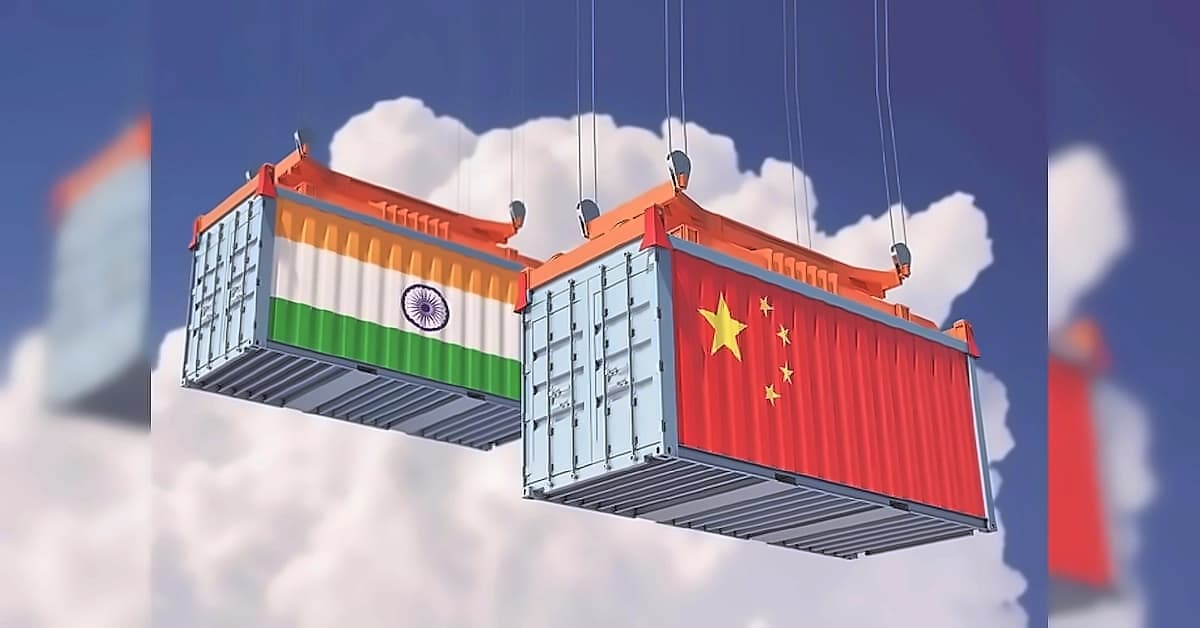
The reliance is concentrated in core components such as motors, cables and switching equipment rather than finished goods, feeding telecom infrastructure, consumer electronics and industrial machinery across the economy. Of the 71 tariff lines where China supplied at least 80% of imports, 46 crossed that threshold only after 2018-19, indicating India's import concentration has increased over time. The report notes that the large number of tariff lines in the 90-99% band highlights how deeply embedded Chinese sourcing has become in India's electronics imports. As per recent analysis, this creates a fundamental contradiction in India's industrial strategy, where Make in India and Viksit Bharat require domestic manufacturing while China has already built the manufacturing ecosystems that India is now trying to create.
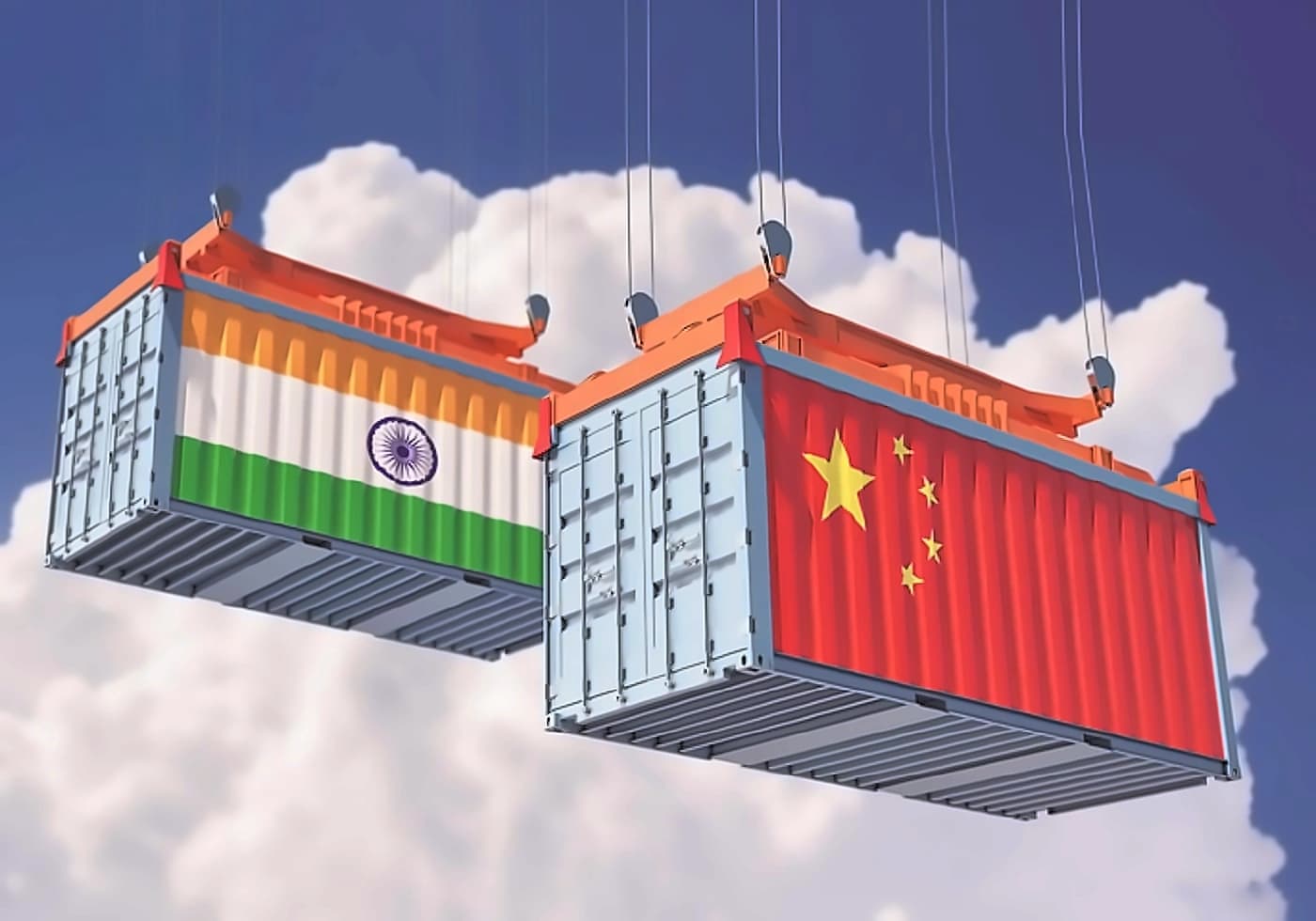
The government approved limited easing of investment rules for countries sharing a land border with India in 2026, introducing faster decisions for proposals in specified manufacturing sectors while retaining safeguards including Indian majority ownership and control. This signals a more pragmatic approach where India selectively uses Chinese capital, technology and manufacturing expertise to accelerate Indian production rather than simply restricting imports. The strategy emphasizes that the objective should be to bring capabilities into India rather than bringing more Chinese products, focusing on building Indian factories, Indian suppliers, Indian skills and eventually Indian technology. Recent analysis suggests that India's approach is beginning to look more pragmatic, moving away from the either-or choice between buying from China or shutting China out, toward selective engagement that strengthens domestic capability without deepening dependence.
Commerce Minister Piyush Goyal called for strengthening trade between BRICS countries at the recent Business Forum, emphasizing that together, the grouping accounted for half the world's population and 40% of global GDP. Goyal made a strong case for member countries to support each other's development agenda and called for greater cooperation on new and emerging challenges, particularly in strategic minerals and future technologies like AI. Pointing to India's UPI system, the world's largest payment system by volume of transactions, Goyal said it offered a ready-made solution for member countries. The minister also called for increasing settlements in local currencies instead of routing trade through global convertible currencies, as India's pressing trade imperatives include boosting exports and reducing the impact of spurt in energy prices sparked by the US-Iran conflict.