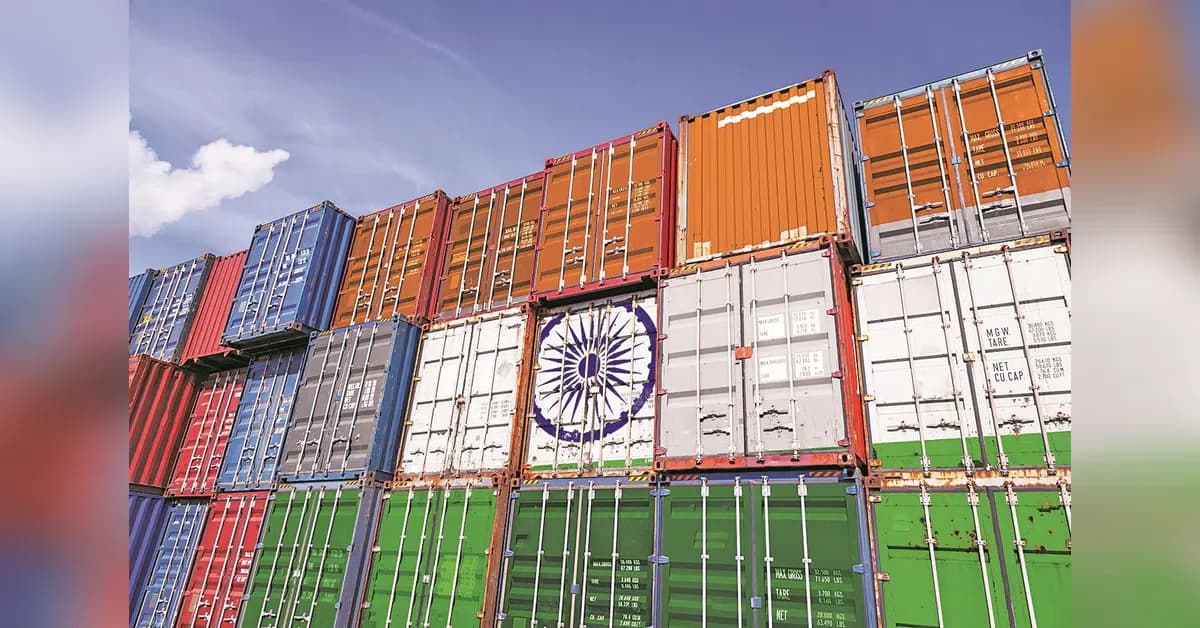
India's exports demonstrated exceptional resilience in April 2026, reaching $43.6 billion - the highest monthly level in over four years - with 13.8% year-on-year growth, marking the fastest expansion in five months. According to Commerce Secretary Rajesh Agrawal, this remarkable performance was primarily driven by oil product exports jumping 34.7% to $9.6 billion, making it the second-largest export category after engineering goods at $10.3 billion. Goods exports touched a record $43.56 billion compared with $38.28 billion in the same month last year, while services exports climbed to $37.24 billion from $32.85 billion. The United States continued to be India's largest export destination, while China remained the country's biggest source of imports.
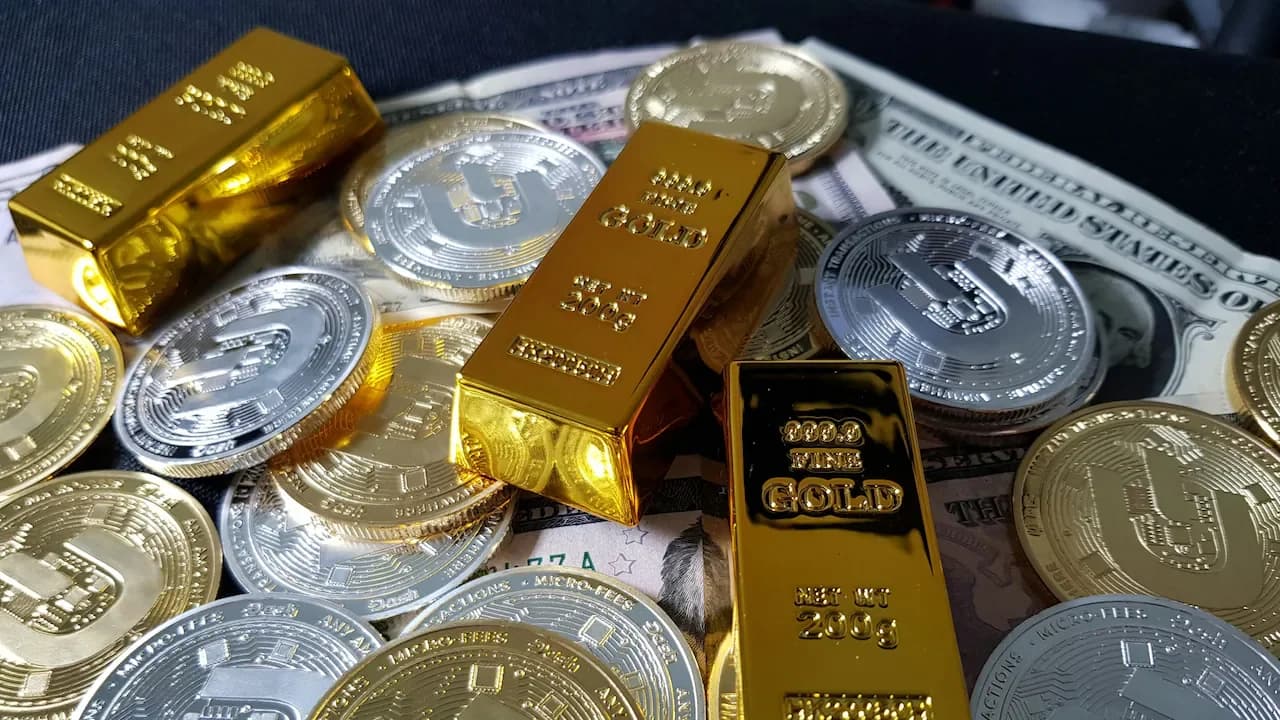
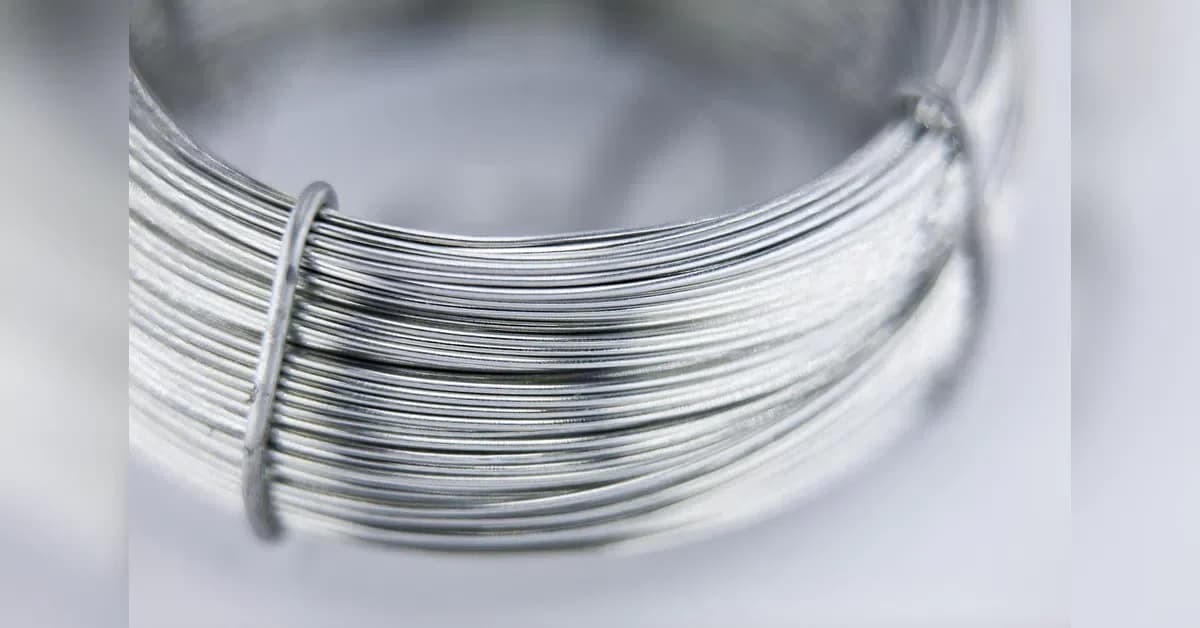
India's imports also increased significantly during April 2026, rising 10% to $71.9 billion from $65.38 billion a year ago, resulting in a trade deficit of $28.3 billion, representing a three-month high. Merchandise imports stood at $71.94 billion against $65.38 billion in April 2025, while services imports edged lower to $16.66 billion from $16.91 billion. Notably, petroleum, crude and products imports declined 10% to $18.6 billion despite sharp rises in crude prices, likely due to lower LPG imports. The $2 billion decline in oil import bill was more than offset by an 81.7% jump in gold imports to $5.6 billion from $3.1 billion a year ago, while silver imports soared from $160 million to $411 million. Non-petroleum, non-gems & jewellery imports reached $45.87 billion compared to $39.75 billion in April 2025, reflecting increased demand across various sectors.
The government has intensified efforts to regulate precious metals imports, with restrictions imposed on silver imports according to an official order issued on Saturday. This latest move follows Friday's announcement capping gold imports under the Advance Authorisation (AA) scheme at 100 kilograms and introducing stricter compliance requirements for importers in the gems and jewellery sector. The DGFT notification states that "Advance Authorisation (AA) for import of gold shall be issued, subject to a maximum permissible quantity limit of 100 kilograms" and mandates physical inspections for first-time applicants. Commerce Secretary Rajesh Agrawal has previously stated that the India-UAE trade pact has had "no major impact" on gold imports, with less than one tonne entering under the tariff quota mechanism. The government's tightened approach reflects efforts to reduce pressure on the country's external sector amid rising precious metals prices.
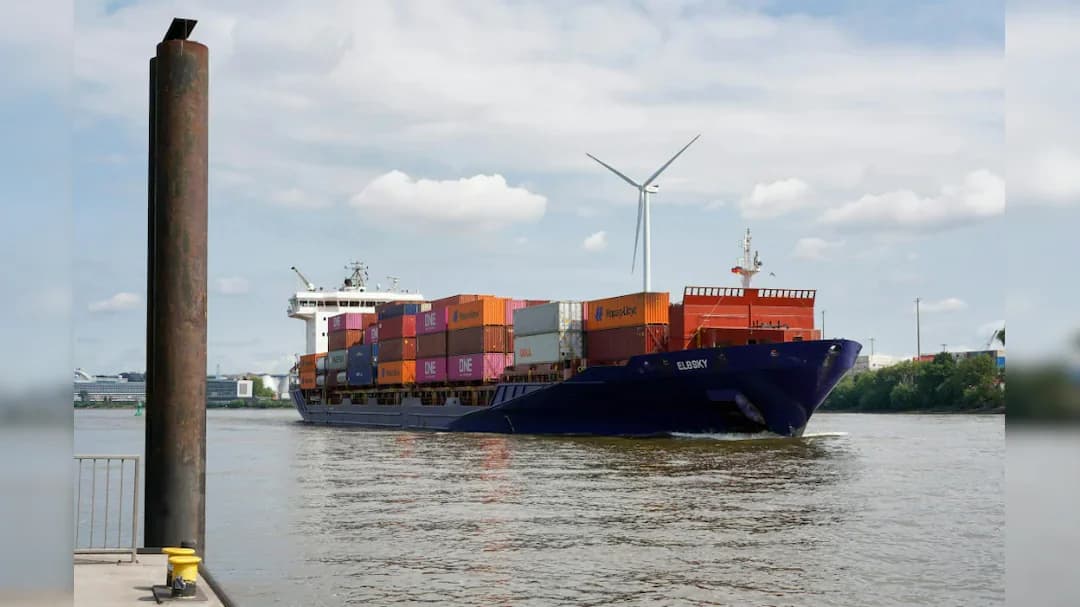
According to government data, India penetrated 1,821 new product-country export combinations in fiscal 2026, reflecting a broader diversification strategy. Traditional sectors such as handlooms and oilseeds entered the highest number of new markets during the year, while high-value manufacturing categories also expanded globally. Exports of ships, boats and floating structures generated $57 million across 19 new markets, while nuclear reactor and boiler parts contributed $14.3 million across 13 new destinations. Among the top export items, electronics clocked a faster growth of over 40% to $5.2 billion, rising over the overall export growth rate. Commerce Secretary Rajesh Agrawal indicated that preliminary trends for May 2026 suggest export momentum remains encouraging, signalling a potentially strong start to the new financial year.
On the broader trade outlook, Agrawal said rising oil prices linked to geopolitical tensions have not yet impacted export competitiveness, with early indicators for May exports remaining encouraging despite the uncertain global environment. The Commerce Secretary also noted that rupee depreciation remains a net positive for exporters and that the government continues to engage with industry to resolve trade-related issues and logistics bottlenecks. The latest data shows that after a long time, non-oil exports growth of 9% in April was slower than the overall pace of expansion, highlighting the significant impact of higher international oil prices on India's export performance. The government's tightened approach to precious metals imports reflects broader efforts to balance growth with external sector stability amid global uncertainties.