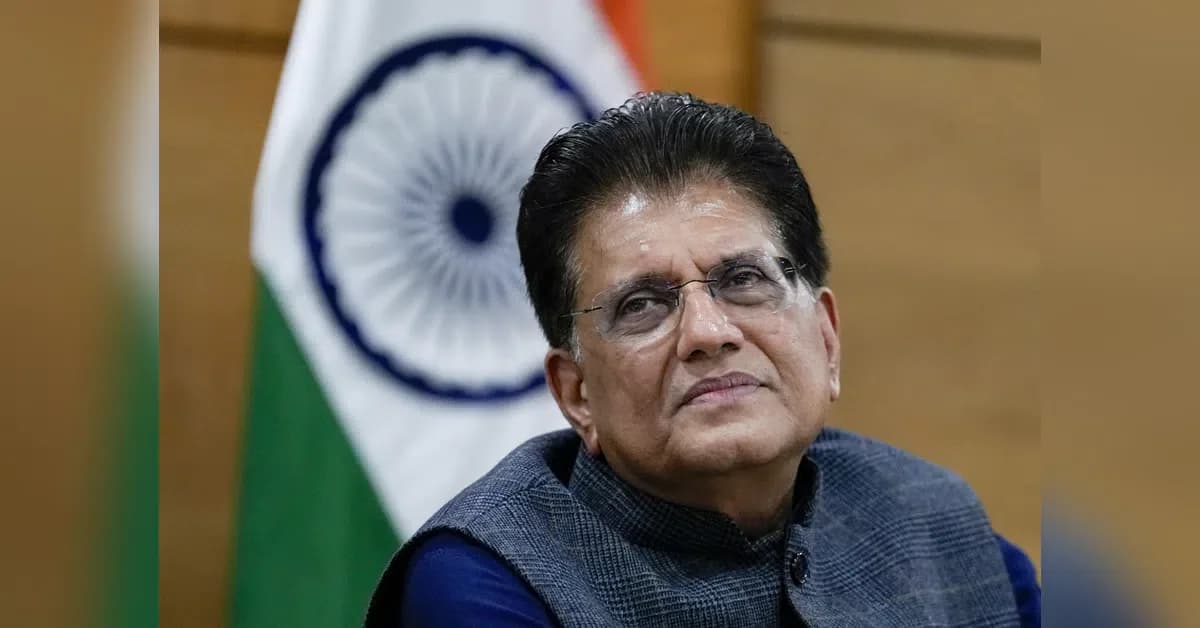
India's pharmaceutical exports have demonstrated remarkable growth over the past decade, rising from approximately $14 billion in FY 2014-15 to $31 billion in FY 2025-26, according to the Ministry of Commerce & Industry. As reported by Business Standard, these exports now reach patients in more than 200 countries, establishing India as a significant global pharmaceutical supplier. Commerce and Industry Minister Piyush Goyal emphasized that Indian medicines are widely accepted across global markets owing to the industry's established quality standards and manufacturing capabilities. The sector's expansion reflects both the country's manufacturing capabilities and growing international demand for Indian pharmaceutical products.
Commerce Secretary Rajesh Agrawal has outlined India's ambitious goal of achieving $50 billion in pharmaceutical exports by 2030. According to Business Standard, this target is based on four key pillars: quality, innovation, regulatory excellence, and market diversification. Minister Piyush Goyal highlighted that India is well-positioned to serve the world as an innovator, manufacturer, reliable supplier of affordable medicines, partner in advanced healthcare technologies, and destination for contract manufacturing. The sector is transitioning from its traditional strength in generic medicines to an increasingly innovation-driven approach, positioning India for sustained growth in the global pharmaceutical market.
India's pharmaceutical sector demonstrates substantial scale with more than 10,500 manufacturing units and over 60,000 generic brands across 60 therapeutic categories, as reported by Business Standard. The country's manufacturing capabilities have earned significant international recognition, with over 60% of India's pharmaceutical exports destined for highly regulated markets. This high proportion reflects growing international confidence in India's pharmaceutical manufacturing capabilities and quality standards. Minister Goyal noted that while India continues to maintain its leadership in generic medicines, the sector is increasingly moving towards innovation-driven growth.
Minister Piyush Goyal addressed the Global Ambassador Meet on the Pharmaceutical Sector, inviting global companies to invest, manufacture and collaborate in India. The event witnessed participation from Ambassadors, High Commissioners and diplomats from 98 countries, along with representatives from the pharmaceutical industry, regulators, healthcare stakeholders and senior Government officials. Goyal urged Ambassadors, High Commissioners and representatives of foreign missions to encourage participation from their respective countries. He described iPHEX 2026 as an important platform for showcasing India's pharmaceutical and healthcare capabilities to the global market, with the event expected to feature more than 700 exhibitors, over 600 overseas business delegates and around 25,000 domestic visitors.