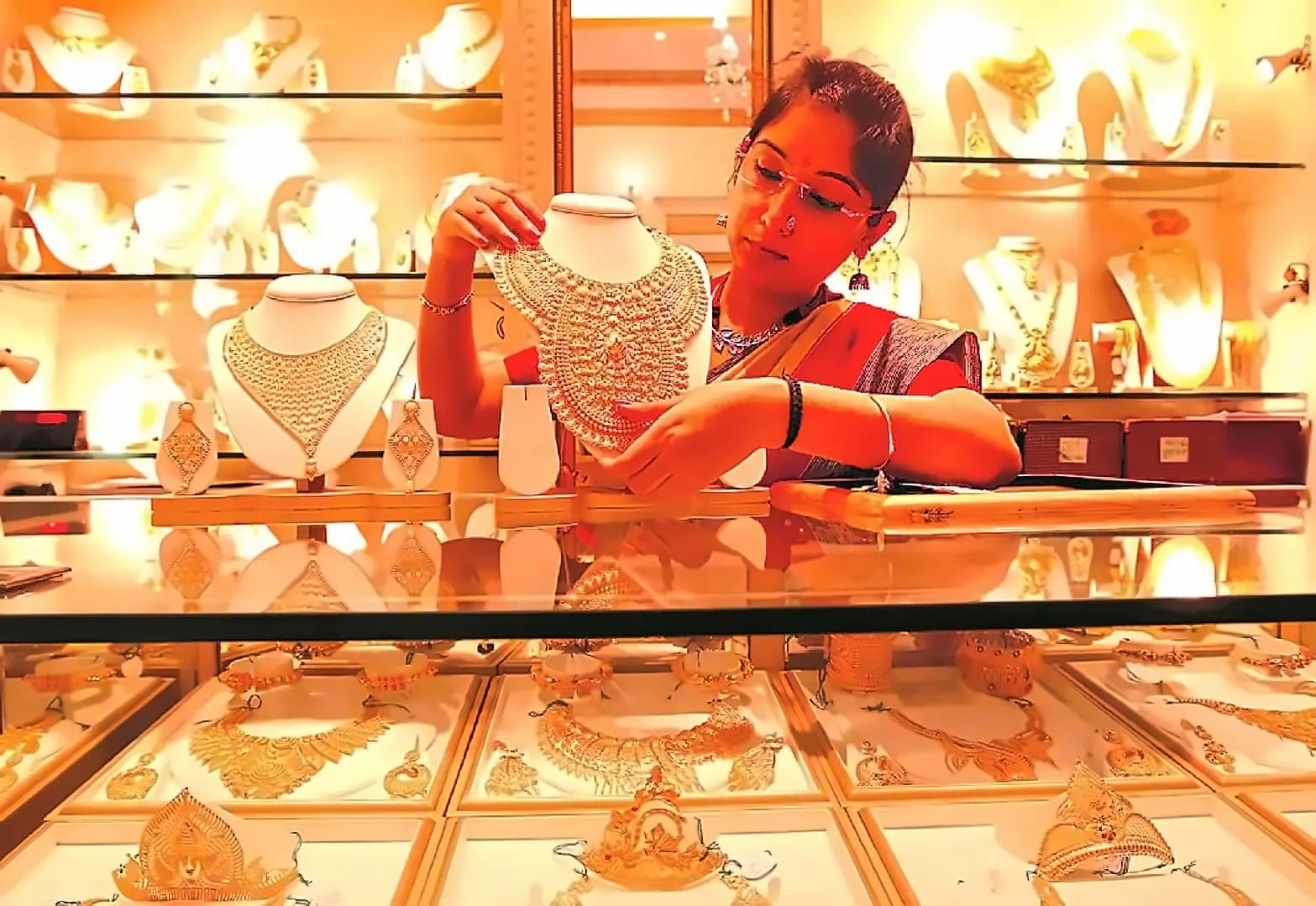
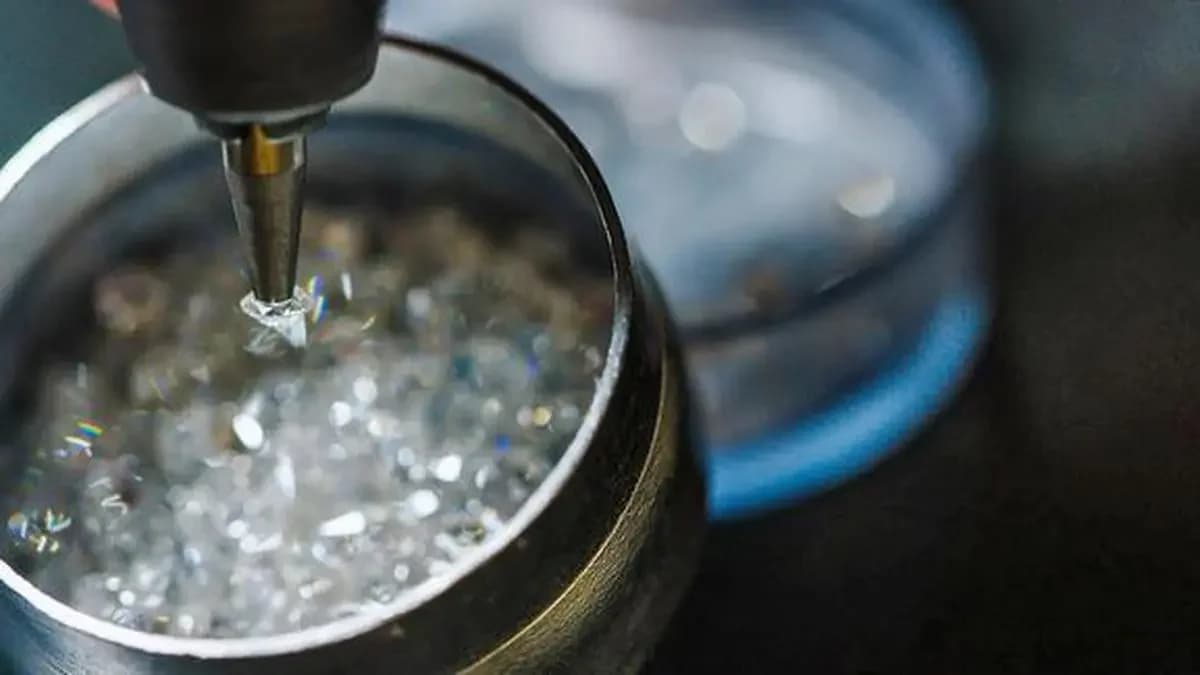
India has set an ambitious target of $100 billion in gems and jewellery exports by 2040, representing a significant increase from the $28 billion recorded in FY26. According to Commerce Secretary Rajesh Agrawal, building a comprehensive ecosystem through innovation, branding, and global design will be the key to achieving this milestone. As reported by The Hindu BusinessLine, the secretary emphasized that the real catalyst lies in building a comprehensive ecosystem driven by innovation, global design leadership and trust. The strategy emphasizes shifting focus towards higher-value, design-led products and global branding, moving beyond traditional low-margin original equipment manufacturing. Achieving this target would require India to move beyond low-margin original equipment manufacturing and capture a larger share of value through innovation, design, technology and branding.
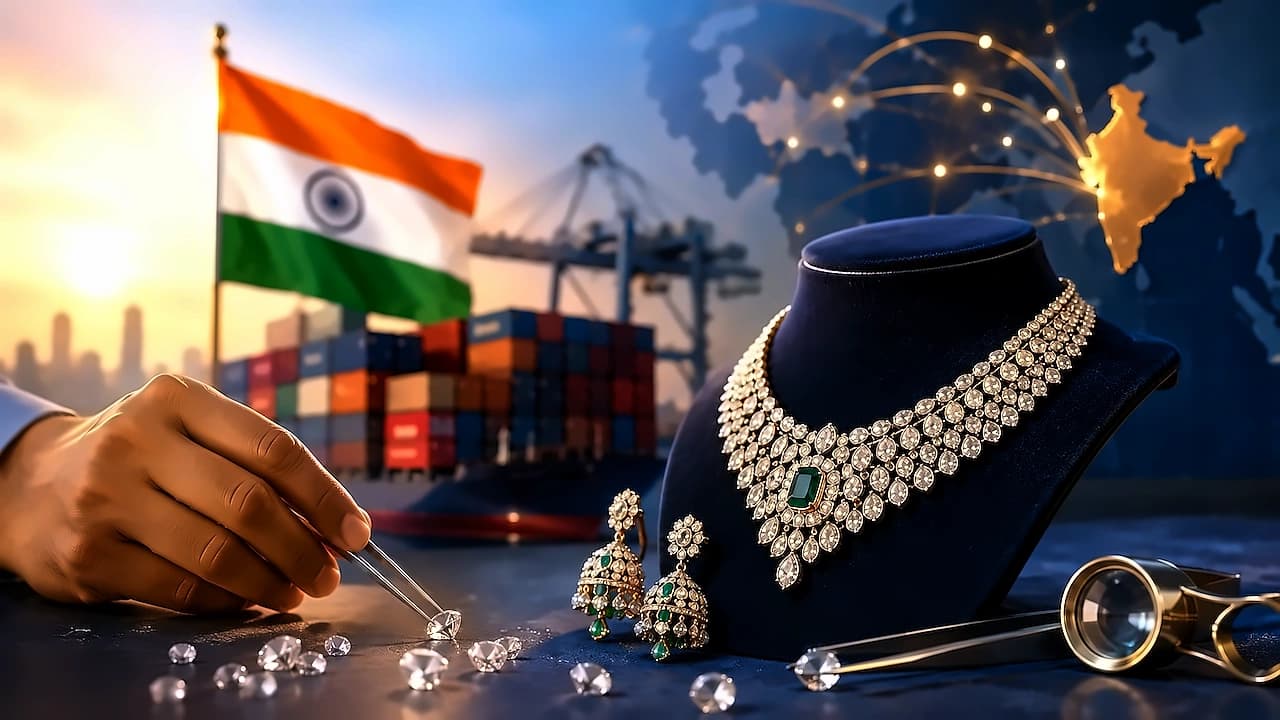
The gems and jewellery sector is projected to contribute 1.2% of India's GDP and account for 14% of total merchandise exports by 2040. The roadmap targets doubling employment to 1 crore people and envisages increasing manufacturing output to around ₹15 lakh crore with the sector's overall economic value reaching nearly ₹60 lakh crore. Recent export data shows encouraging momentum, with India's gross exports rising 2.44% to $9.17 billion during April-July 2026, while studded gold jewellery exports jumped 21.09% to $2.24 billion. However, cut and polished diamond exports fell 8% during the same period, highlighting the sector's diversification efforts beyond traditional natural diamonds.
The roadmap is built around five priority missions: global market access, MSME scale-up, faster export-import processes, 'Crafted by India' branding, and next-generation talent and design. According to PIB reports, GJEPC Chairman Kirit Bhansali highlighted that recent trade agreements, policy support for MSMEs and tax reforms have created a stronger base for expansion. A recently approved tax framework provides eligible foreign companies a 15-year income-tax exemption on income from rough diamond sales through India's Special Notified Zones, applicable from October 1, 2026 to March 31, 2041. The government sees opportunities in emerging areas such as the LGD+ ecosystem, gold mining and refining alongside traditional strengths such as natural diamonds.
Commerce Secretary Rajesh Agrawal emphasized that India's competitive strength lies in its skilled craftspeople rather than access to gold, silver or rough diamonds. He called for greater investment in skilled manpower and technologies including artificial intelligence and 3D printing, alongside stronger collaboration between academic institutions and the jewellery industry. Agrawal urged companies to draw more heavily on India's cultural heritage while developing jewellery for global markets. The government aims to use these measures to open new markets, scale businesses and shift India's gems and jewellery sector from an OEM base towards a global original design and branding powerhouse, ultimately retaining India's manufacturing strength while capturing a larger share of the higher-margin design, branding and retail value chain. As reported by The Hindu BusinessLine, he emphasized that India's rich history, culture and stories should be integrated into jewellery designs to strengthen the country's soft power, while transparent and technology-driven trust networks should be established across domestic and export markets to respond to the evolving preferences of younger generations.