India has initiated an anti-dumping investigation into imports of hot-rolled flat steel products and electrical steel from China, Japan, Korea and Russia after domestic steelmakers alleged that cheap imports have caused material injury to the local industry. According to reports from Mint, the Directorate General of Trade Remedies (DGTR) under the commerce ministry issued initiation notifications on June 25, 2026 following formal applications from JSW Steel Ltd, JSW Vijayanagar Metallics Ltd and Jindal Steel Odisha Ltd. The electrical steel investigation was specifically prompted by a complaint from JSW JFE Electrical Steel Nashik Pvt Ltd, which alleged that cheap imports of Cold Rolled Grain Oriented Electrical Steel and Amorphous Metal are significantly harming the domestic industry. As per the ministry's notification, it was found sufficient prima facie evidence that the product is being dumped in the Indian market by the exporters from these countries. The authority noted that based on evidence submitted, there is sufficient prima facie evidence of dumping, injury to the domestic industry and a causal link between the two to justify launching a formal investigation.
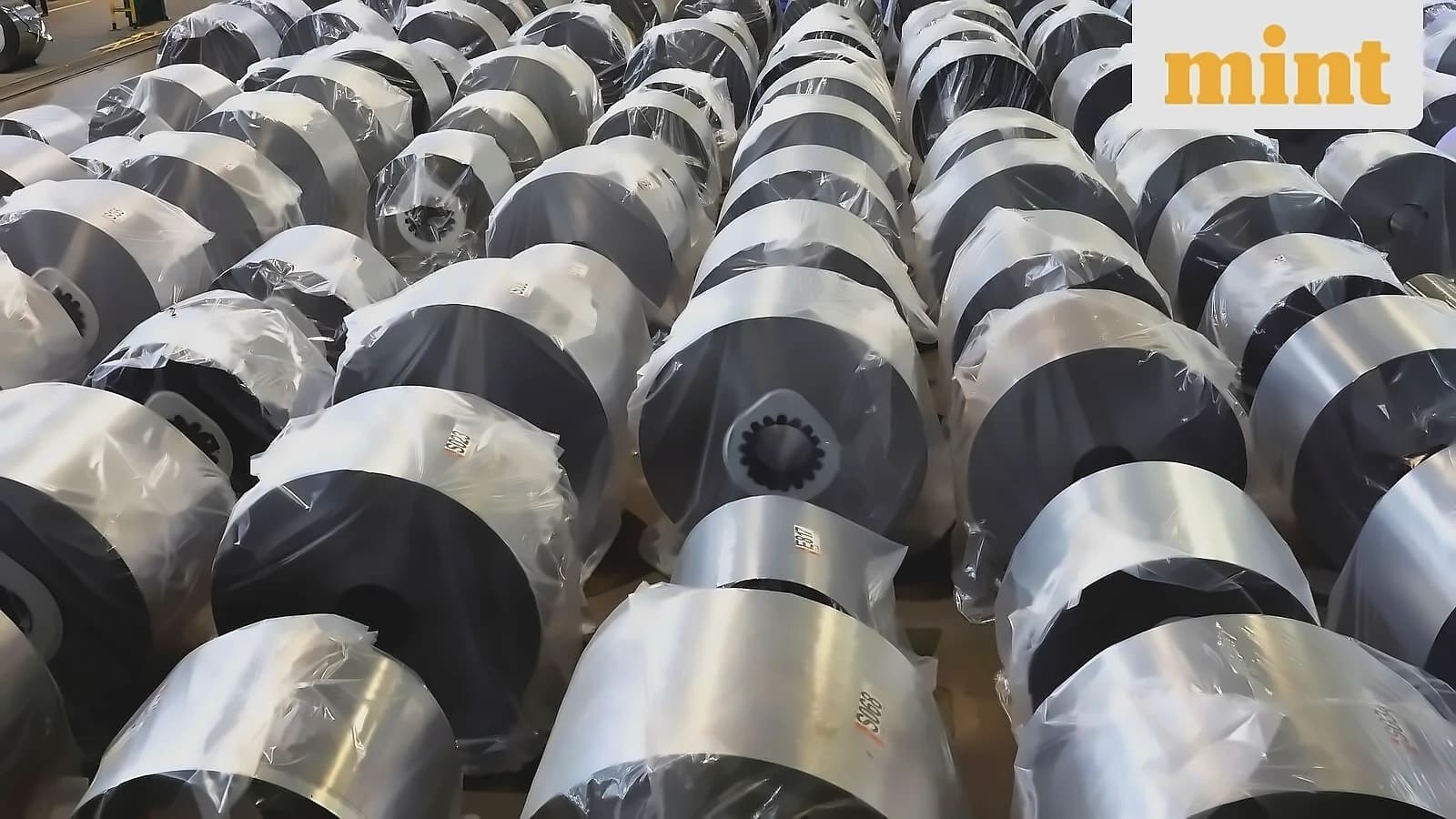
As reported by Mint, imports of hot-rolled coils from China rose to 0.77 million tonnes in FY25, accounting for 18.9% of India's total HRC imports, while shipments from Japan climbed to 1.25 million tonnes, making up 30.6% of imports. Russia's exports to India remained negligible in FY25 after falling sharply from 649 tonnes in FY24. The investigation covers hot-rolled flat products of alloy or non-alloy steel that are not clad, plated or coated, with a thickness of up to 25 mm and a width of up to 2,100 mm, widely used across automobiles, oil and gas pipelines, construction, engineering, capital goods and manufacturing sectors. According to the DGTR's initial findings, the product was being exported at prices significantly lower than its normal value, with the dumping margin found to be above the minimum threshold and significant for exports from these countries. The electrical steel investigation specifically targets products used in power/distribution transformer cores, with both materials serving the same consumer industries including transformer manufacturers supplying to utilities, industrial users, and renewable power projects.
According to the notification reported by Mint, the domestic industry has sought retrospective imposition of anti-dumping duties, arguing that there is a history of dumping in the product category and that delaying duties could lead to a further surge in low-priced imports. The applicants claimed that the volume of imports increased in both absolute terms and in relation to demand in India over the injury period, with subject goods undercutting domestic industry prices and suppressing domestic market prices. Despite increased sales, the average inventories of the domestic industry increased, with applicants suffering losses and declining return on investments due to dumped imports. The product is generally used in automotive, oil and gas line pipes/exploration, cold rolled steel products, pipe manufacturing, general engineering and fabrication, construction, capital goods, process equipment for cement, fertiliser, refineries, and earth-moving, representing a significant cross-section of India's industrial economy. The electrical steel investigation specifically targets materials used in transformer manufacturing, with both products serving as intermediates in tyre and rubber products, resin bonding applications, and specialized wood adhesive resins, dyes, pharmaceuticals, and cosmetic preparations.
As reported by Mint, the period of investigation will cover January 1 to December 31, 2025, while the injury analysis will examine industry performance from April 1, 2022 to March 31, 2023; April 1, 2023 to March 31, 2024; April 1, 2024 to March 31, 2025; and January to December 2025. The DGTR will consider import data from 2022 to 2025 for the probe. Interested parties, including exporters, importers and the governments of the subject countries, have been asked to submit responses within 37 days of receiving the investigation notice. The agency will now investigate "the existence, degree, and effect of the dumping," as stated in the notification. If the investigation concludes that dumping has caused material injury, the DGTR will recommend the imposition of anti-dumping duties on imports of the product from the relevant countries, with the Finance Ministry taking the final decision on whether and at what level to impose those duties.
According to Mint, Indian finished steel imports increased over 2023 and 2024 due to surplus supply and weak domestic demand in other major steel producing countries, particularly China. However, imports fell in 2025 after India imposed safeguard duties on a provisional basis from April, followed by a three-year extension in December. Inflows rebounded in April and May 2026 as a sharp rise in domestic steel prices opened arbitrage opportunities and pipe makers booked overseas material for re-export. China and Japan doubled their exports to India during this period. Steel imports under the current AD investigation codes stood at 4.7 million tonnes, down 23% year-on-year in 2025, with South Korea, China, Japan and Russia accounting for 89% of the volumes. However, in January-April 2026, inflows rose 4% year-on-year to 1.5 million tonnes. The Argus weekly Indian domestic HRC assessment for 2.5-4.0mm material stood at ₹57,600 per tonne ($610 per tonne) ex-Mumbai as of June 19, having retreated from a recent peak of ₹59,000 per tonne reached at the start of April due to sluggish demand. India has also initiated similar probes against imports of sodium nitrite from China and 'Para Nonylphenol' from Russia and Taiwan, demonstrating its broader strategy to tackle unfair trade practices under the multilateral WTO regime.