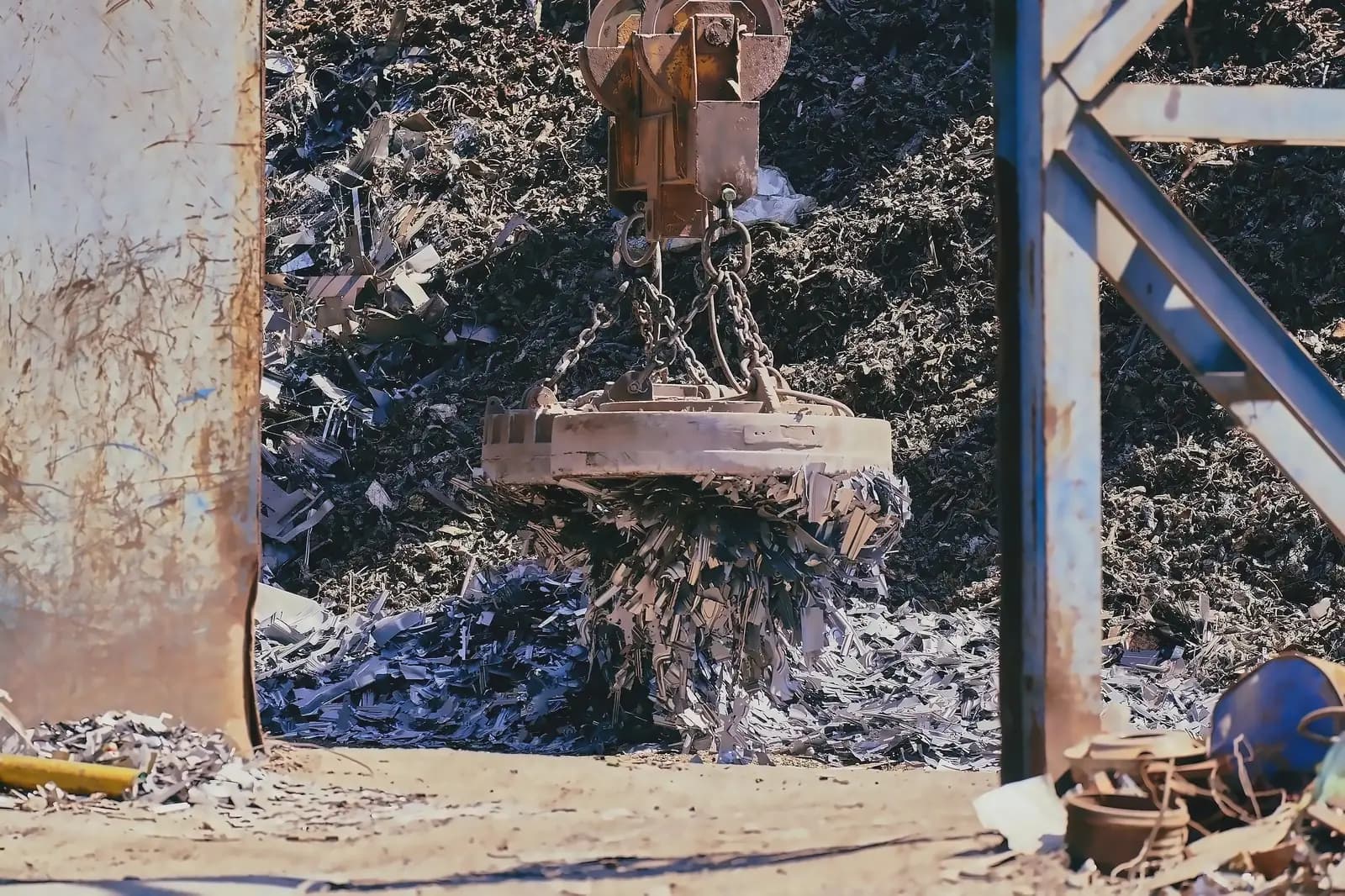
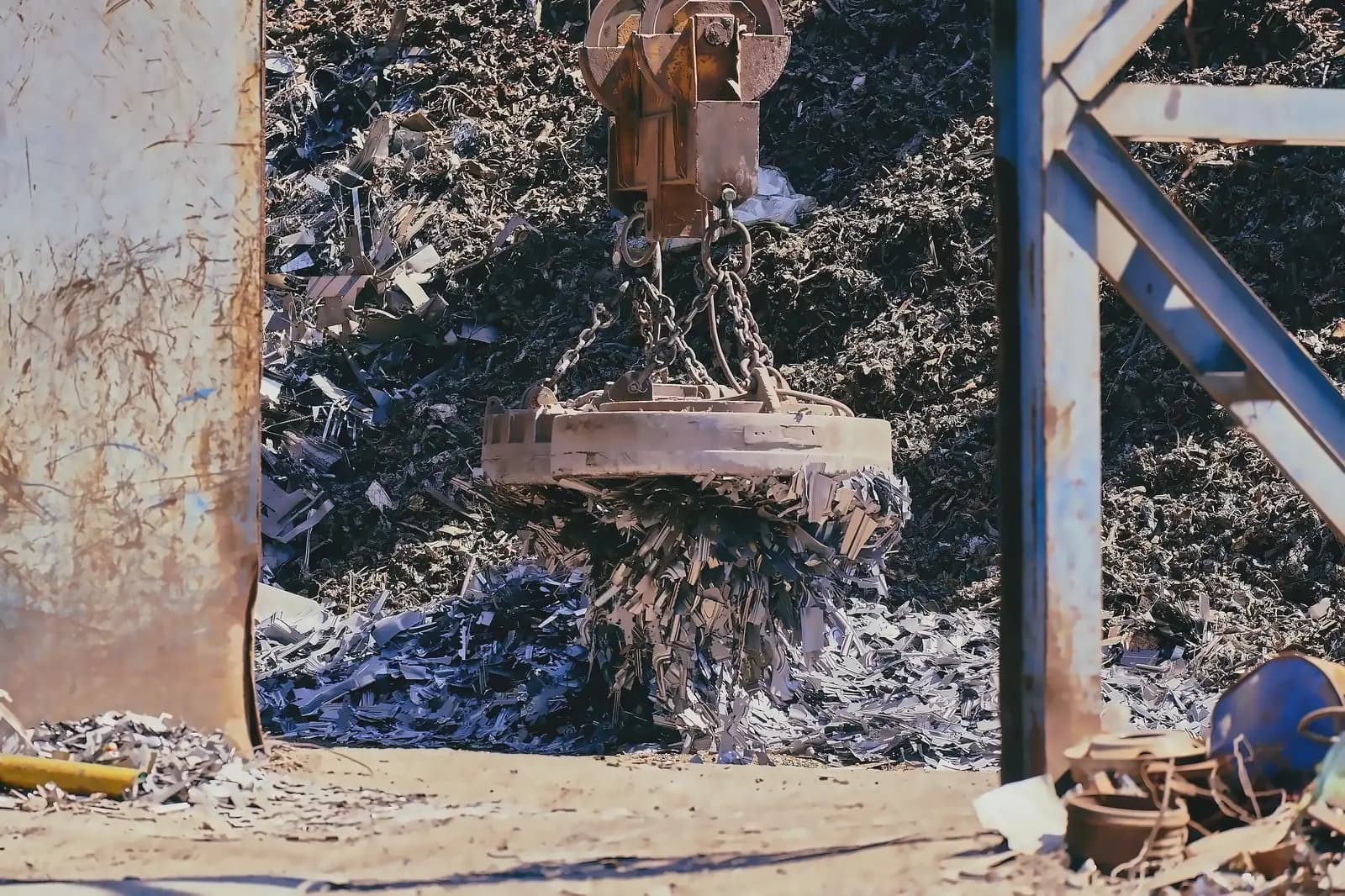
The commerce ministry has called for government-to-government-level talks to resolve concerns raised by the domestic industry over the European Union's Waste Shipment Regulation (WSR), due to take effect in 2027. According to an office memorandum dated June 8 addressed to the FT (Europe-I) Division, the Department of Commerce examined industry concerns that the upcoming regulation could affect India's access to imported metal scrap, a key raw material for domestic manufacturing. The ministry noted that since India relies heavily on imports of high-quality scrap from developed countries such as the EU and the US, such restrictions could adversely affect the availability of quality secondary raw materials for Indian industry.
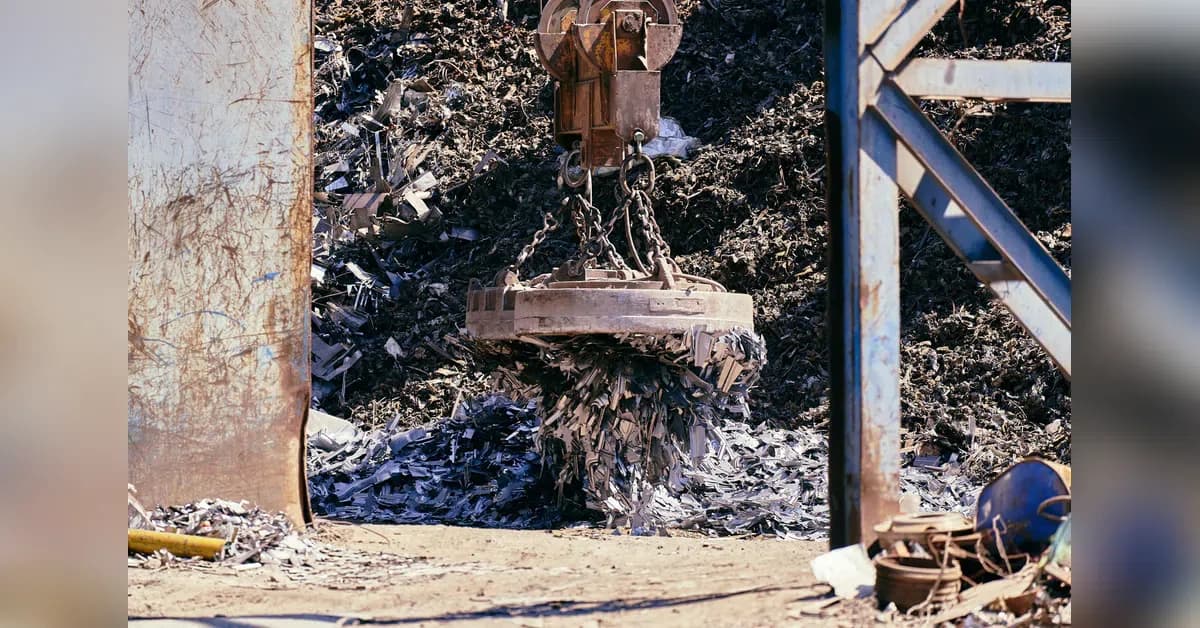
The ministry's observations came in response to a representation submitted by the Material Recycling Association of India (MRAI), which argued that the EU regulation would require Indian recyclers to undergo stringent audit mechanisms to continue receiving recyclable materials from the bloc, imposing a substantial compliance and operational burden. The association represents 1,800 members and an ecosystem of 25,000 small and medium enterprises. India annually imports around 9 million tonnes of ferrous scrap, 4 million tonnes of non-ferrous scrap and 1.5 million tonnes of paper scrap, while 80 per cent of the country's aluminium scrap requirement is met through imports. According to industry estimates, India is the world's largest importer of aluminium scrap, with nearly 90 per cent of the aluminium scrap used domestically being imported, and India was also the largest destination for European aluminium scrap in 2024, receiving about 296,000 tonnes. The concerns echo broader global trade tensions, with Britain's steel trade rules expiring on June 30 amid ongoing EU negotiations over steel import protections.
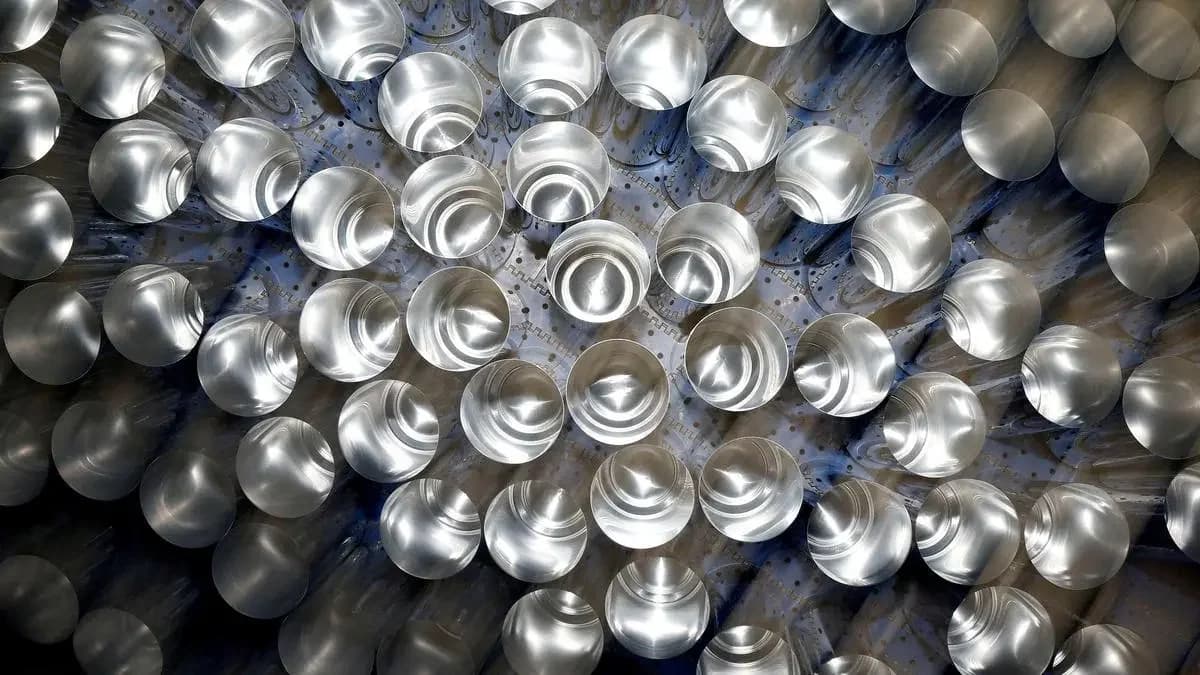
MRAI has sought several policy interventions, including the removal of the 2.5 per cent import duty on aluminium scrap, reduction of GST on metal scrap from 18 per cent to 5 per cent, exclusion of imported non-ferrous metal scrap from proposed Extended Producer Responsibility (EPR) obligations, and elimination of the mandatory Pre-Shipment Inspection Certification (PSIC) system. The association also argued that extending EPR obligations to imported non-ferrous metal scrap creates duplicate compliance obligations by applying EPR requirements both when scrap is imported and again when finished products are introduced in the market. The ministry has referred aspects of the MRAI representation to multiple ministries and departments.
The industry body had flagged poor implementation of a 2021 framework that permitted imports of shredded and processed scrap from designated safe countries without mandatory PSIC requirements through specified ports, arguing that only 11 of the 19 designated ports have operational radiation detection scanners, resulting in delays and inconsistent enforcement. According to industry experts, the preference for imported scrap over domestic material has less to do with geography and more with grade, as imported scrap from Europe and the US typically arrives with proper documentation, traceability and consistent grading. For electronic waste, India generates more than enough material domestically, with the country producing around 1.75 million tonnes of e-waste in 2023-24, making imports largely unnecessary for that segment. However, domestic ferrous scrap generation has increased but consumption continues to outpace supply, while more than 90 per cent of India's e-waste is still handled by the informal sector despite years of EPR implementation, and the vehicle scrappage programme has fallen well short of its original targets.
EU Ambassador to India Hervé Delphin sought to allay fears over the bloc's compliance-based approach to recycling and scrapping activities. According to Delphin, there was no reason for concern regarding the EU's ship-recycling certification process at this stage. He explained that Europe has a framework to certify places where European companies can send their ships for dismantling and scrapping, ensuring that wherever it takes place, it is done in a sustainable way. Audits of several Indian facilities have been completed and a decision based on the audit reports is expected by October, with Delphin adding that there is no indication of anything negative. The stated objective of the Waste Shipment Regulation is to strengthen Europe's circular economy by improving oversight of waste shipments, reducing problematic exports and ensuring that waste exported outside the bloc is managed in an environmentally sound manner.