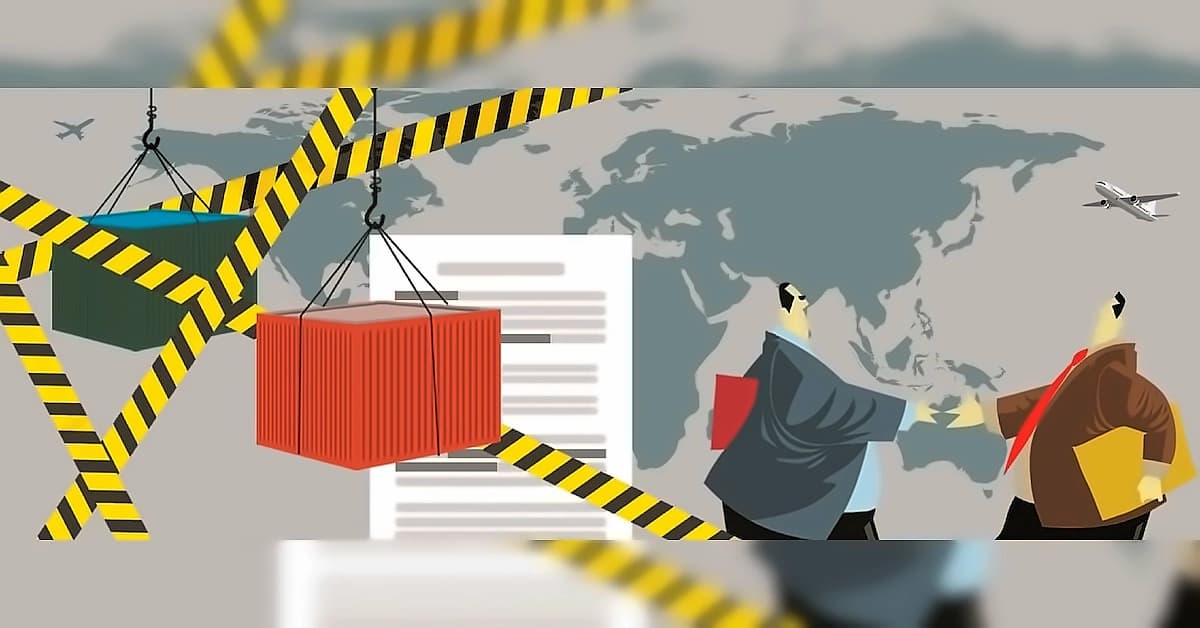
India appears to be relaxing its opposition to extending a global moratorium on tariffs for electronic transmissions ahead of the critical World Trade Organization (WTO) meeting in Yaoundé. According to latest reports, India suggests a two-year extension while the US is seeking a permanent extension, representing a significant shift in India's position. This potential compromise comes amid business leaders' warnings of potential instability if the agreement lapses, highlighting the urgent need for resolution. The resolution of this issue is considered pivotal to the WTO's relevance in addressing contemporary global economic challenges. Stakeholders from both the US and India remain divided over the duration of the extension, as debates continue on finding middle ground.
A sharp divide has emerged at the ongoing 14th ministerial conference (MC14) in Yaoundé, Cameroon over the e-commerce moratorium on customs duties. According to the Global Trade Research Initiative (GTRI), while the US is pushing for a permanent extension of the moratorium, India and other developing countries oppose it, citing revenue loss and policy constraints. GTRI noted that "The sharpest divide is there over the e-commerce moratorium on customs duties. A temporary compromise of 2-4 years appears the most likely outcome." The third day of the conference is emerging as pivotal, with ministers meeting across four tracks -- fisheries subsidies, investment facilitation, e-commerce and agriculture. The core of this dispute extends beyond fiscal concerns, encompassing control over the future gains of digital trade and the fundamental balance between digital economy growth and national revenue generation.
India's opposition to the China-led Investment Facilitation for Development (IFD) Agreement is facing intensified pressure as the 14th ministerial conference (MC14) in Yaoundé, Cameroon enters its critical phase. According to GTRI Founder Ajay Srivastava, pressure on New Delhi is expected to intensify in small-group 'green room' meetings. Srivastava explained that "India's concern is less about the pact itself than the precedent it sets, opening the door to plurilateral deals that once embedded within the WTO, act as Trojan horses' gradual reshaping of the institution's multilateral character." The think tank noted that little progress is expected on fisheries subsidies, where divisions persist, with today's discussions set to determine whether MC14 ends in a modest compromise or exposes deeper fractures within the WTO. The US, while not an IFD member, supports its incorporation, while nations like Turkey have voiced concerns, yet appear to be softening their stance, potentially isolating India.
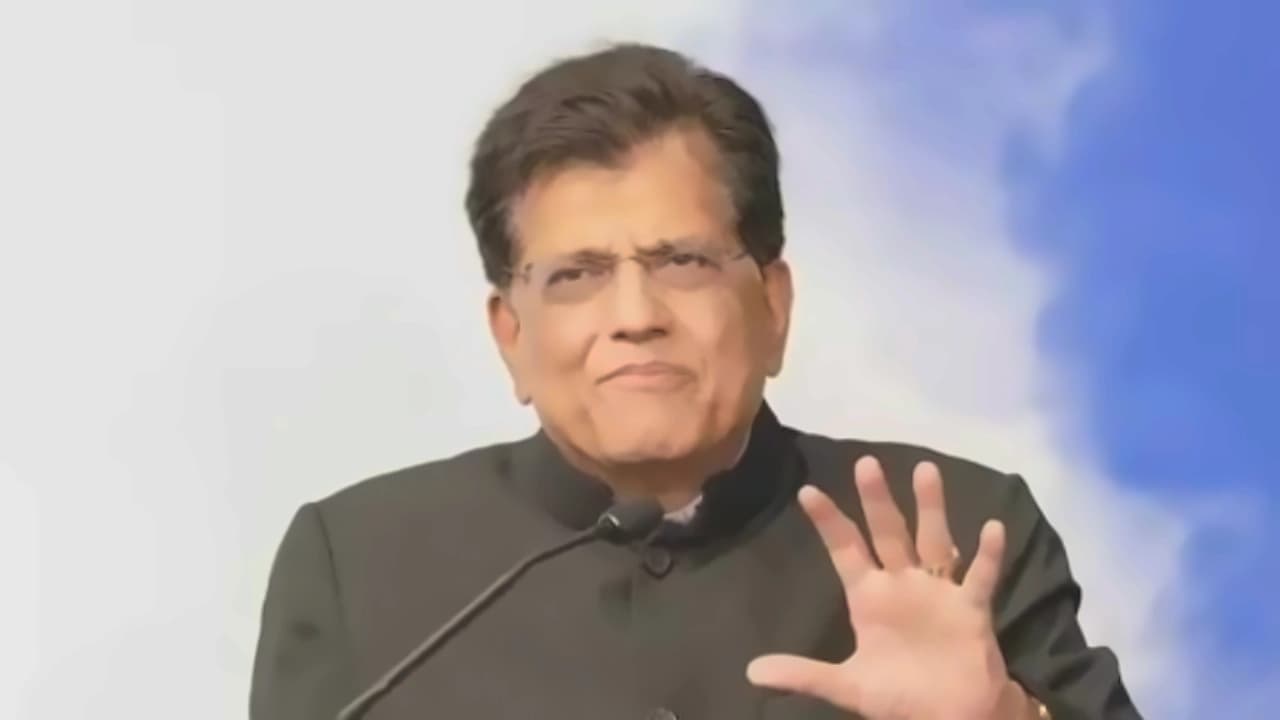
India has strongly opposed the China-led Investment Facilitation for Development (IFD) Agreement being incorporated into the World Trade Organisation framework at the ongoing 14th ministerial conference (MC14) in Yaoundé, Cameroon. According to reports from The Times of India, Commerce and Industry Minister Piyush Goyal stated that such incorporation could weaken the institution's foundational structure. Goyal emphasized that "Incorporation of the IFD agreement risks eroding the functional limits of the WTO and undermining its foundational principles". In a social media post, Goyal reiterated India's stance, stating that "At #WTOMC14, drawing inspiration from Mahatma Gandhi ji's philosophy of Truth prevailing over conformity, India showed the courage to stand alone on the contentious issue of the IFD Agreement".
As reported by The Times of India, India demonstrated courage by standing alone on the contentious issue, refusing to agree to the IFD Agreement's incorporation into the WTO framework as an Annex 4 Agreement. Goyal highlighted India's approach, stating "At #WTOMC14, drawing inspiration from Mahatma Gandhi ji's philosophy of Truth prevailing over conformity, India showed the courage to stand alone on the contentious issue of the IFD Agreement". The minister noted that India showed openness to have "good faith, comprehensive discussions and constructive engagement under the WTO Reform Agenda".
According to The Times of India, Annex 4 of the WTO Agreement contains Plurilateral Trade Agreements that are binding only on members that have accepted them, unlike multilateral agreements which apply to all members. Goyal explained that as part of WTO reform discussions, members are deliberating on 'guardrails and legal safeguards for plurilateral agreements before integrating any such outcomes into the framework'. India had previously opposed the pact during the WTO's 13th ministerial conference (MC13) in Abu Dhabi.
As reported by The Times of India, the Investment Facilitation for Development proposal was first mooted in 2017 by China and a group of countries that rely significantly on Chinese investments, including those with sovereign wealth funds. The agreement, if adopted, would be binding only on signatory members. A China-led group is currently pushing for the Investment Facilitation for Development proposal, with the pact having been a contentious issue since its inception, with India maintaining consistent opposition to its integration into the WTO framework.