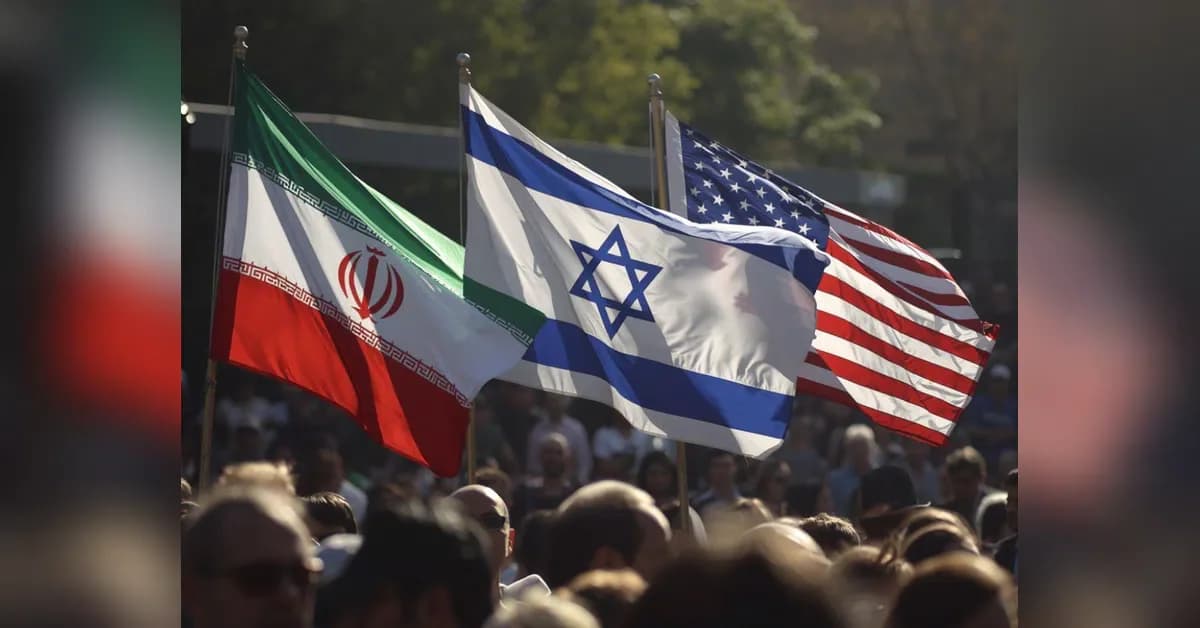
India's free trade agreement with Oman, effective June 1, could serve as a crucial alternative when the Strait of Hormuz faces disruption. According to the Global Trade Research Initiative (GTRI), the agreement holds strategic significance as Oman's coastline lies outside the Strait of Hormuz, unlike most Gulf nations. This location advantage means ports such as Salalah and Duqm remain accessible even during regional conflicts or geopolitical instability that affect traditional Gulf shipping routes. The agreement comes at a particularly strategic time as disruptions around the Strait of Hormuz, triggered by the ongoing US-Iran conflict, have heightened concerns over global energy supplies. The waterway handles nearly 20% of global oil consumption and a quarter of seaborne oil trade, making it a critical energy corridor. As per GTRI, the ongoing Gulf conflict has clearly demonstrated this advantage. India's imports from major Gulf economies fell sharply from about $15 billion in April 2025 to $9.8 billion in April 2026, while India's exports to the region dropped from $4.4 billion to $2.7 billion. Oman was the notable exception, with India's imports from Oman surging by 246.4%, rising from $430 million to nearly $1.5 billion. Recent developments show Iran's President Masoud Pezeshkian has signalled potential easing of tensions in the Strait of Hormuz, assuring Japanese Prime Minister Sanae Takaichi that Tehran is prepared to facilitate maritime traffic and make the passage of Japanese vessels through the waterway easier. According to Iranian claims, 15 vessels, including four oil tankers, crossed the chokepoint over the past 24 hours, though analysts caution that figures remain difficult to verify.
The Comprehensive Economic Partnership Agreement (CEPA) provides significant trade benefits for both countries, with nearly 99% of bilateral trade between India and Oman now duty-free from day one. According to Ajay Bhadoo, Additional Secretary in the Commerce Ministry and Chief Negotiator of the India-Oman CEPA, the agreement will make nearly 99% of bilateral trade duty-free from day one. Commerce and Industry Minister Piyush Goyal announced that the agreement will benefit domestic exporters in sectors such as textiles, leather, plastics, marine products, automobiles, sports goods, and agri-items, as they gain preferential access to the Omani market over competitors. Bilateral trade between India and Oman reached $11.18 billion in FY 2025-26, up from $10.61 billion in FY 2024-25, demonstrating the growing economic relationship between the two nations. The immediate elimination of tariffs is expected to improve the competitiveness of Indian products in Oman's import market, estimated at nearly USD 28 billion. The India-Oman CEPA came into force on Monday, opening duty-free access for Indian exporters across 98.08 percent of Oman's tariff lines and covering 99.38 percent of India's export value to the Gulf nation. Earlier, only 15.33% of India's exports entered Oman duty-free under the Most Favoured Nation (MFN) regime, making the current agreement a significant improvement in market access. Goyal noted that the agreement unlocks new opportunities for exporters and professionals, with Oman being India's trusted partner and gateway to the Gulf and East Africa. The Indian commerce ministry's early assessment suggests India's exports to Oman can grow to $7 billion within two years, with exporters in various sectors like textiles, sportswear, gem & jewellery, pharma, and medical devices, engineering, sports goods, agri-products, meat, leather, plastics, and marine products stepping onto preferential access against competitors in the Omani market.
The agreement provides comprehensive benefits across multiple sectors, with all marine products including shrimp, fish and cuttlefish enjoying immediate duty-free access. Import duties of up to 5% on gems and jewellery have been eliminated from day one, providing advantages over competitors from countries such as Italy, Turkey, Thailand and China. Agricultural products such as basmati rice, onions, potatoes, cashew kernels, honey, butter, sweet biscuits and mangoes are also expected to benefit from duty-free access. A range of Indian food and agricultural products will receive immediate duty-free access in Oman, including natural honey, cashew, boneless meat, bakery products, chocolates and sugar confectionery, mineral water, cheese, curd, milk, cream, butter and frozen fish. Indian egg exports are also expected to benefit from the removal of import duties under the CEPA framework. Pharmaceuticals receive zero-duty access for medicines, vaccines and pharmaceutical ingredients, with medicines approved by regulators such as USFDA, EMA, MHRA and TGA receiving marketing authorisation in Oman within 90 days in many cases. The pact is expected to provide a major boost to Indian exports across sectors including minerals, chemicals, base metals, machinery, textiles, plastics and rubber products, as well as marine products. Indian exports to Oman stood at about $3.64 billion in FY26, demonstrating the significant trade potential between the two nations. The agreement is expected to benefit exporters across major manufacturing and agricultural states, including Gujarat, Maharashtra, Tamil Nadu, Andhra Pradesh and Uttar Pradesh. As we speak, more than 10 consignments are being shipped to Oman availing preferential duty access, as per Goyal.
Oman has offered market access commitments across 127 sub-sectors, covering areas such as information technology, engineering, healthcare, education, financial services, construction, tourism and telecommunications. For the first time in a bilateral FTA, Oman has made specific commitments for categories of professionals including engineers, doctors, accountants, IT professionals, teachers and consultants. The ceiling for intra-corporate transferees has been raised from 20% to 50%, while business visitors will be allowed to stay in Oman for up to 90 days, independent professionals for up to 180 days, and intra-corporate transferees for up to four years. In a key investment-related commitment, Oman has agreed to allow 100 percent foreign direct investment access for Indian companies in identified services sectors under the agreement. Muscat has offered an enhanced mobility framework for Indian professionals under the free trade agreement. "For the first time ever, we have secured a binding commitment to protect Indian workers in the non-service segment, provided their units are majority Indian owned," Goyal said. The fifth trade pact implemented in the last five years, following agreements with the UAE, Mauritius, EFTA, and Australia, and represents the first bilateral agreement that Oman has signed with any country since its pact with the US in 2006. The CEPA also includes Oman's first commitment on traditional medicine in any trade agreement signed by the country. The agreement further liberalises entry and stay norms for professionals in sectors such as accountancy, taxation, architecture and healthcare. The commercial department has planned to hold workshops all across India to disseminate information on the terms under the trade agreement so exporters can leverage them.
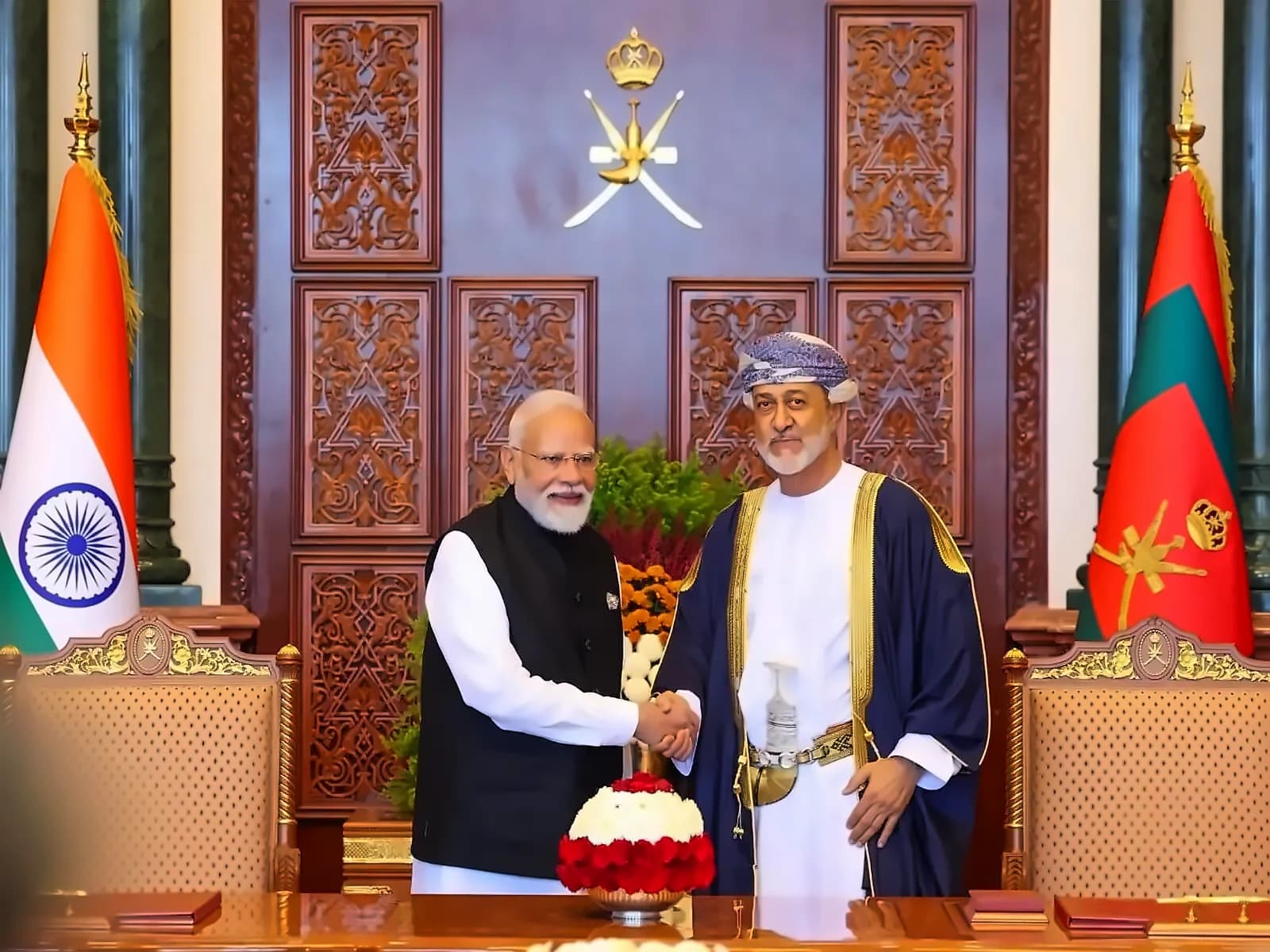
The India-Oman CEPA was signed on December 18, 2025, in the presence of Prime Minister Narendra Modi and Sultan Haitham bin Tarik Al Said in Muscat, and officially entered into force on June 1, 2026 after completion of internal processes by both parties. Commerce Secretary Rajesh Agrawal noted that the agreement is tariff liberalization PLUS: it enhances market access, facilitates service trade and provides greater predictability for businesses. To mark the launch of the agreement, the first consignments availing preferential tariff benefits, including agriculture and gems and jewellery exports, were flagged off from Mumbai, Kolkata and Chennai. While India has offered tariff liberalisation on about 78% of tariff lines, covering nearly 95% of imports from Oman by value, it has excluded several sensitive sectors including dairy products, cereals, fruits, vegetables, edible oils, oilseeds, rubber, leather and spices. Around 2,789 tariff lines have been excluded from the trade deal, with products such as meat, dairy items, jewellery, precious metals and petroleum products not falling under the pact's tariff concessions. India imported goods worth $7.2 billion from Oman in FY26, with the import basket including crude oil worth $1.6 billion, liquefied natural gas worth $1.2 billion and fertilisers worth $843 million. India-Oman bilateral trade was about $10.5 billion (exports $4 billion and imports $6.54 billion) in 2024-25, with the pact expected to help an additional USD 2 billion in the next 2-3 years. Nearly 7 lakh Indian nationals reside in Oman, and India receives about USD 2 billion in remittances from Oman annually. India has received USD 615.54 million in foreign direct investment from Oman between April 2000 and September 2025. India-Oman is India's third-largest export destination among the GCC countries, with Indian enterprises operating over 6,000 establishments across sectors in Oman. India's exports to GCC countries, which account for 12 per cent of the country's total outbound shipments, fell 35 per cent in April amid the supply chain disruptions, highlighting the strategic importance of the Oman agreement. India has signed nine trade deals with 38 economies in the last three years, and currently, engaged with multiple countries for a trade agreement, including the US, with India also receiving expressions of interest for trade deals from Mexico and Ecuador.