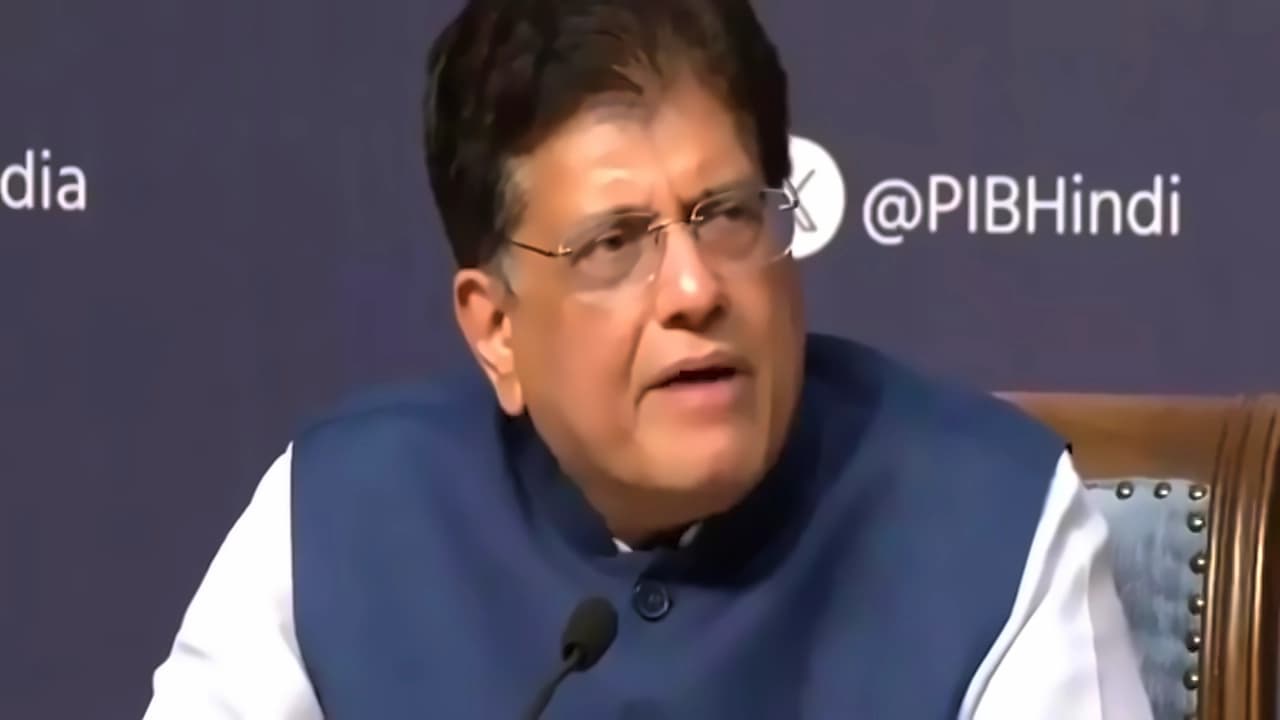
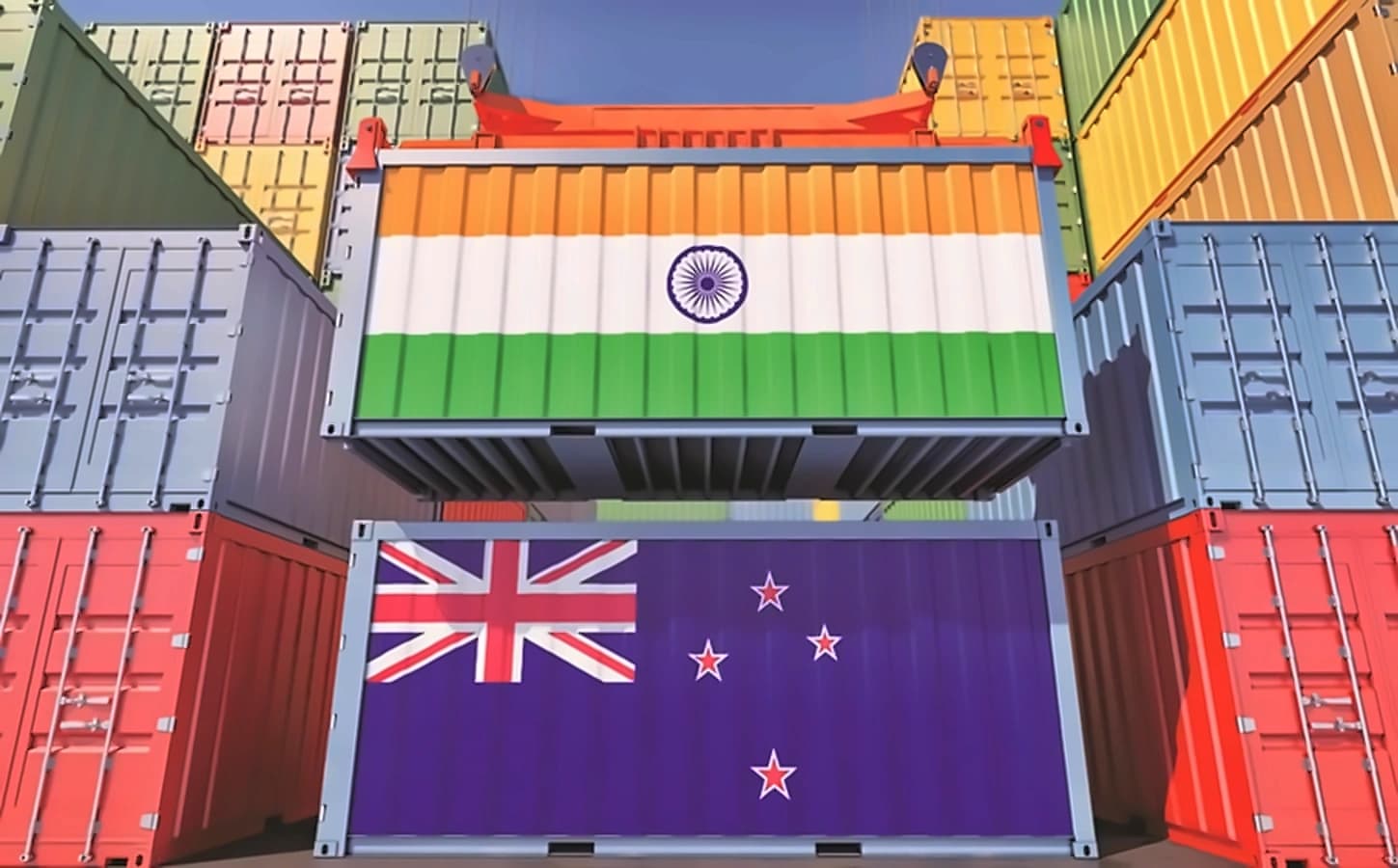
Commerce and Industry Minister Piyush Goyal confirmed on Monday that the free trade agreement between India and New Zealand will enter into force on October 20, 2026, a date chosen to fall on Dussehra. According to Press Trust of India reporting carried by Business Standard, Goyal noted that the agreement, signed by the two countries on April 27 this year, provides duty-free access for 100 percent of India's exports to New Zealand. The confirmation follows approval by the New Zealand Parliament on September 16 by 93 votes to 29, the final domestic step required on the New Zealand side.
Under the new agreement, tariffs on processed foods, spices, seasonings, confectionery, bakery goods, packaged cereals, sauces, fruit juices, and processed vegetables will drop from up to 5 percent to zero on Day One of implementation. As reported by Business Standard, this comprehensive tariff elimination covers a wide range of processed food products that are significant export categories for India. New Zealand currently maintains peak tariffs of up to 10 percent on a range of Indian goods including ceramics, carpets, automobiles and auto components, all of which will go to zero when the agreement takes effect.
Despite the comprehensive tariff reductions, smaller firms face significant challenges in accessing new export markets through India's expanding network of free trade agreements. According to Laghu Udyog Bharati, Om Prakash Gupta, national general secretary, noted that reaching alternative export markets remains challenging for Indian textile exporters, especially small and medium enterprises. "We are told (by the government) to bring up newer territories. If I am supplying to America and I now think about establishing my market in Africa, it's not that easy," Gupta explained. The MSME body emphasizes that "there is no level playing field. The big players will reap the benefits of this immediately, but it will take a long time to trickle down to us (MSMEs)".
The concession architecture is asymmetric by design, with India granting market access on 70.03 percent of its tariff lines, covering approximately 95 percent of bilateral trade by value, while New Zealand grants duty-free treatment across 100 percent of its tariff lines for Indian exports. According to Business Standard, India protected roughly three in ten of its tariff lines, but those lines carry only about five percent of what the two countries actually trade with each other. The carve-outs include dairy products, a set of agricultural products, sugar and certain metals, with Fonterra's exclusion from the Indian market being the single hardest obstacle in negotiations. India agreed to immediate tariff elimination on wood, wool, sheep meat and raw hides, with further reductions phased across three, five, seven and ten year schedules.
TPCI Chairman Mohit Singla stated that by securing immediate 100 per cent zero-duty access across all product lines, Indian exporters, particularly in food processing, textiles, and light engineering, gain an unparalleled competitive edge in Oceania. According to Business Standard, this tariff reduction creates significant opportunities for Indian value-added agricultural products to integrate into Indo-Pacific supply chains. Automobiles and auto components are the most interesting inclusion, as India has built a substantial small-vehicle and components export business, and New Zealand is a right-hand-drive market with no domestic vehicle manufacturing to protect. The agreement also includes tariff concessions on wine, pharmaceuticals, polymers and selected aluminium, iron and steel products. Laghu Udyog Bharati has urged the Ministry of Commerce and Industry for handholding under the Export Promotion Mission, requesting mandatory training for trainees in Industrial Training Institutes (ITIs) and mandatory implementation of the National Apprenticeship Promotion Scheme (NAPS).