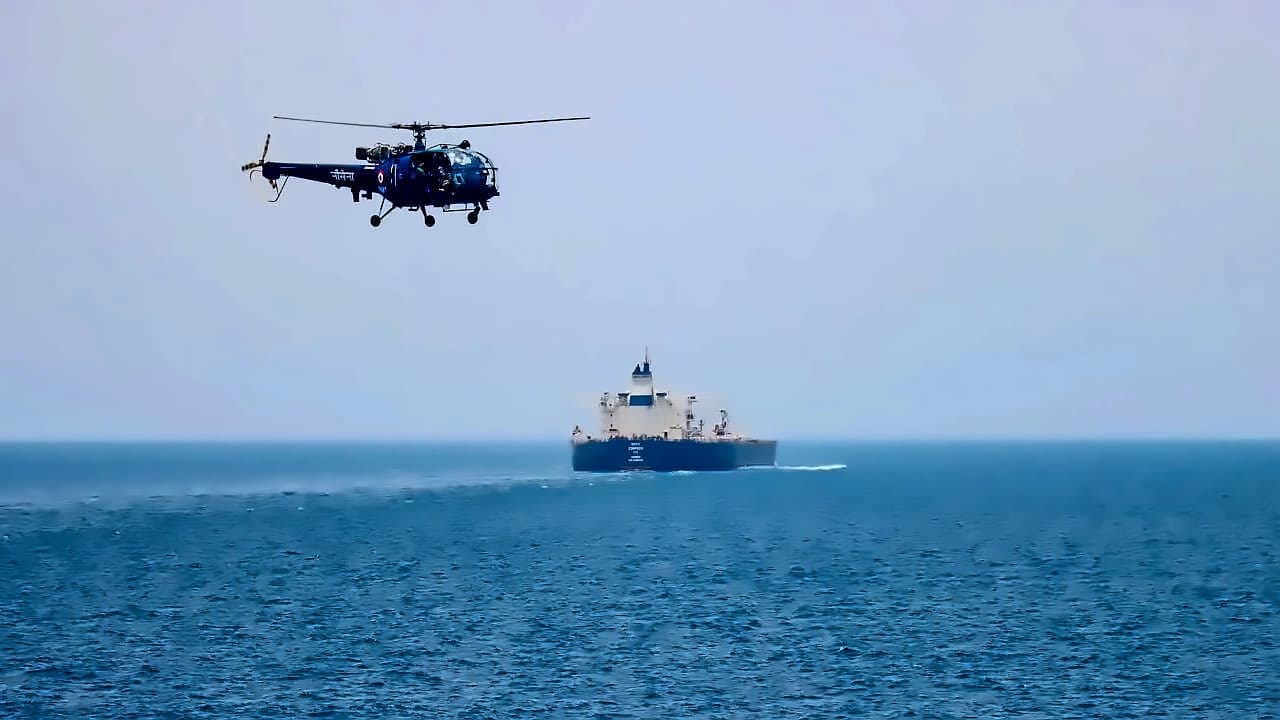
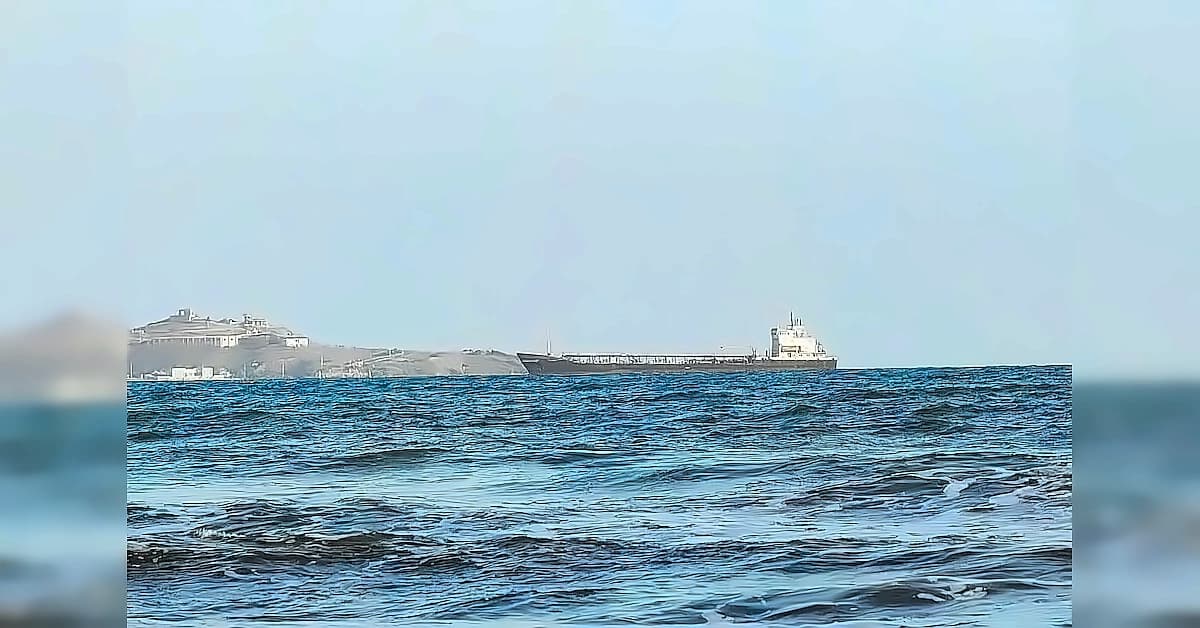
External Affairs Minister S Jaishankar publicly acknowledged at the Munich Leaders Meeting in New Delhi that India has moved beyond merely advocating for peace and diplomacy between Russia and Ukraine. Speaking at the satellite event associated with the Munich Security Conference, Jaishankar confirmed that 'We have been advocating it for many years, and in recent months we have got a little bit more involved beyond advocacy. We have conversations with both Russia and Ukraine in this regard,' as reported by RBC-Ukraine. The Minister emphasized that India is 'trying to be helpful, starting with the Black Sea, [the] safety of shipping issue,' marking a significant escalation from India's previous stance of offering support for all global peace initiatives while advocating engagement between the involved parties without introducing any signature proposal.
Ukrainian Foreign Minister Andrii Sybiha has publicly recognized India's mediation efforts, stating that India's proposal for a ceasefire was the 'most comprehensive' among four proposals received by Kyiv. According to RBC-Ukraine, Sybiha noted that Ukraine was prepared to consider an energy and Black Sea truce, provided it covered attacks on energy and port infrastructure as well as the situation in the Black Sea. 'For the first time, India has signalled its willingness to play a role,' Sybiha stated, highlighting the significance of India's enhanced involvement in the conflict resolution process. Russian President Vladimir Putin has also endorsed India's approach, stating earlier this week that Prime Minister Narendra Modi has 'excellent ideas' when it comes to finding mutually acceptable solutions to the conflict.
As reported by Business Standard, Jaishankar revealed that India is actively mediating between Russia and Ukraine to ensure secure shipping of grains and fertilizers since it impacts Global South food security. The discussions have revealed that grain exports had almost come to a halt, with the challenge being to delink shipments of grains and other commodities from energy shipments. Jaishankar described the situation as tough but important to resolve, noting that stopping grain, fertilizer and energy exports would disproportionately affect the Global South. The Minister indicated that India is looking to address some immediate concerns that both Russia and Ukraine have on 'grain exports, energy exports, non-attack possibilities'.
As reported by Business Standard, Modi met Russian President Vladimir Putin in Bishkek for the Shanghai Cooperation Organisation Summit at the end of August, while Jaishankar flew to Kyiv to meet Ukrainian President Volodymyr Zelenskyy. The discussions continued during the Brics Summit in New Delhi in mid-September, with ongoing negotiations between the parties. Jaishankar emphasized that India has been advocating for dialogue and diplomacy for many years, and in recent months has got a little bit more involved beyond advocacy, with conversations with both Russia and Ukraine in this regard.
As reported by Business Standard, Jaishankar emphasized India's multi-alignment approach, noting that the US remains India's principal strategic partner with which New Delhi runs its biggest trade account and is also a critical defence partner. He highlighted India's challenge of dealing with the US, the rise of China, responding to stable traditional relationships with Russia, and exploring new possibilities with European countries where free trade agreements have been concluded. India has absorbed increased costs for fuel and fertilizers while working to diversify sourcing and increase fertilizer procurement.