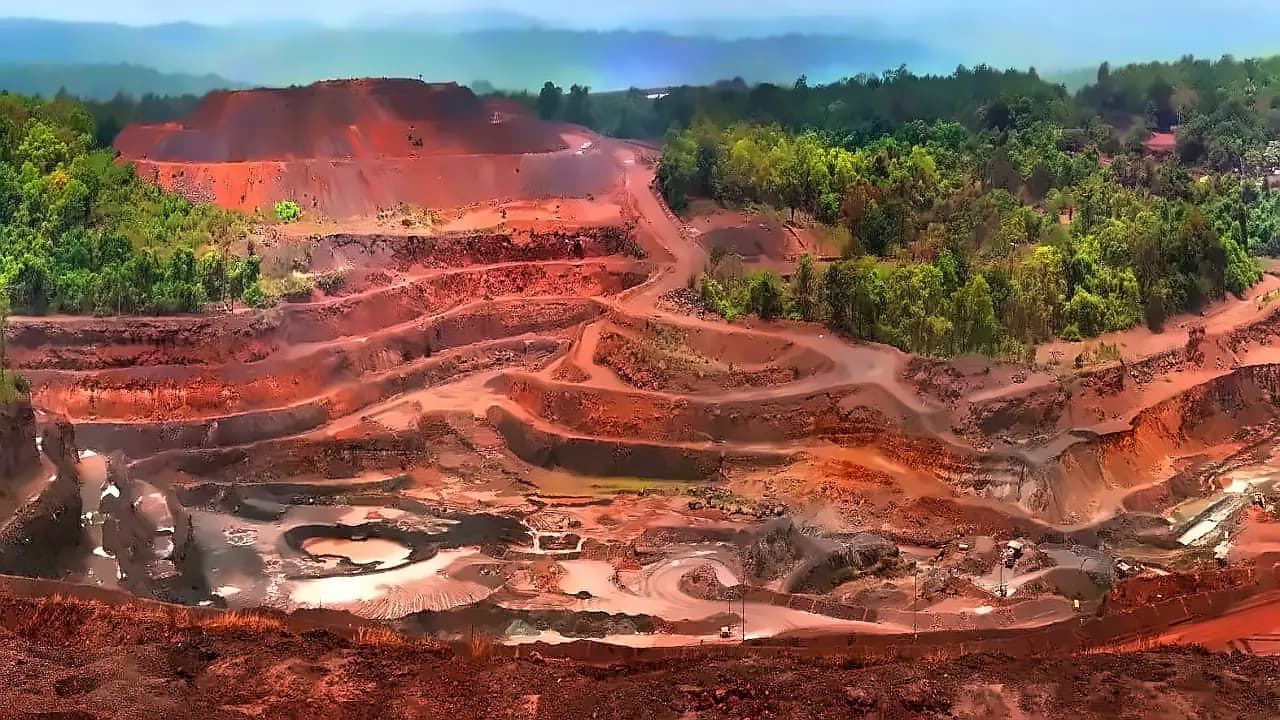
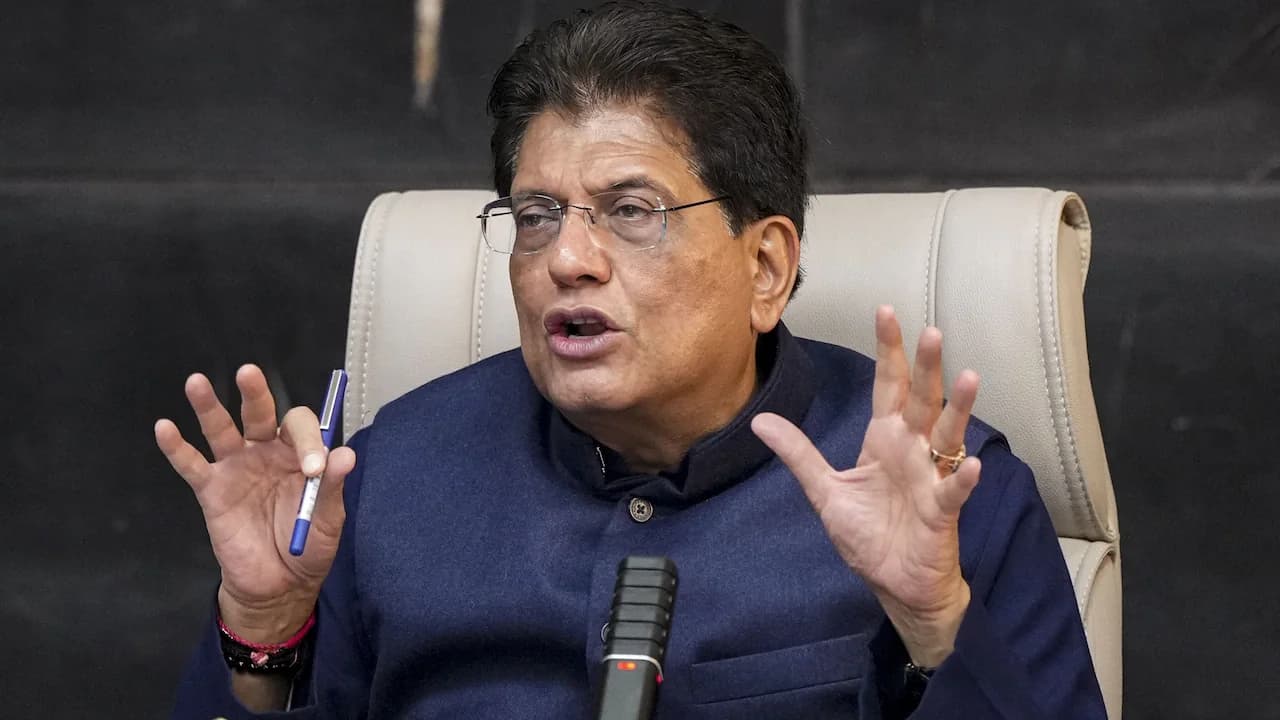
Commerce and Industry Minister Piyush Goyal on Monday urged Japanese firms to source steel from India, emphasizing that Indian companies manufacture high-quality products. According to reports from PSU Watch, Goyal questioned during a roundtable meeting with Japanese businesses why Japanese companies would import steel when Indian products meet quality standards. He has been urging Japanese industry over the last seven years to source from India at least those steel products that are competitively priced and meet Japanese quality standards. As reported by PSU Watch, Goyal said he has been urging Japanese industry over the last seven years to source from India at least those steel products that are competitively priced and meet Japanese quality standards, noting that "even if they are cheaper or of the same quality as Japanese steel...somehow they do not buy from India."
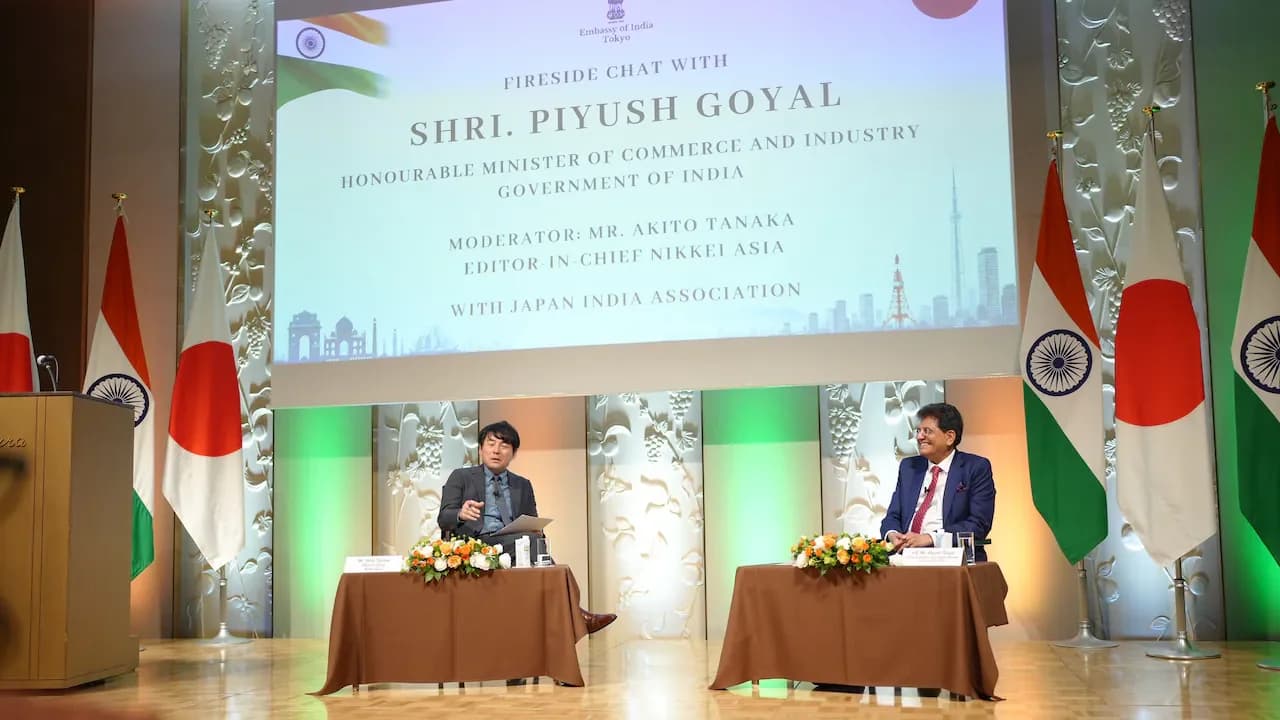
Speaking to Japanese investors in Tokyo, Piyush Goyal positioned India as a safe base for Japanese companies, highlighting strong intellectual property protection and data security. As reported by The Times of India, Goyal emphasized that India's growing middle class, fastest growing major economy globally, and youthful talent make it an attractive destination. He specifically noted that "India is not a plus one country. India stands on its own merits as a trusted partner. We don't steal anybody's technology, we don't copy anyone's intellectual property products and bring it into the market." The minister also signalled government willingness to relax rules, provided it does not result in imports from "one country," which is not conducive for fair trading practices and often supplies goods at predatory pricing.
India imposed a 12 per cent safeguard duty on low-grade steel imports, significantly lower than the 50 per cent duty imposed by countries including the US, UK and European Union. As reported by PSU Watch, the duty was first imposed as a temporary 12 per cent levy for 200 days in April 2025 and is now in force until April 2028. The duty structure includes a 12 per cent duty in the first year (April 21, 2025 to April 20, 2026), reduced to 11.5 per cent in the second year (April 21, 2026 to April 20, 2027), and further lowered to 11 per cent in the third year (April 21, 2027 to April 20, 2028). According to PSU Watch, Goyal explained that India has taken a balanced approach by imposing the safeguard duty only on lower grades of steel, and higher grades can be imported freely. The minister emphasized that the safeguard duty is in line with World Trade Organization (WTO) rules.
India announced safeguard duty on imports of certain steel products for three years in December 2025, with the aim to curb dumping from countries like China and protect domestic manufacturers from a supply glut. According to PSU Watch, Goyal explained that India is a net importer of steel and has enough scope to expand capacity, in fact double it, with people investing money who want protection from dumping. As reported by PSU Watch, he noted that India even today is a net importer of steel, so they have enough scope to expand their capacity, in fact double their capacity and people are investing money. When they are investing money they want protection, so that tomorrow they do not face dumping. Indian industry has flagged concerns over excess capacity of steel in countries like China, with Goyal emphasizing that countries across the world are experiencing surplus steel capacity and are consequently taking safeguard measures to protect their domestic industries.
Goyal is leading a 200-member business delegation to discuss ways to boost trade and investment ties between India and Japan. As reported by PSU Watch, he will also travel to Nagoya and Osaka, where he will lead a roadshow with Chukeiren (Central Japan Economic Federation) and the Nagoya Chamber of Commerce & Industry. In Nagoya, the industrial heartland of central Japan, the minister will lead a roadshow with Chukeiren (Central Japan Economic Federation) and the Nagoya Chamber of Commerce & Industry, and engage with Aichi Prefecture leadership and major manufacturing investors in the automotive and steel sectors. The minister emphasized that the safeguard duty is in line with World Trade Organization (WTO) rules and suggested Japanese firms approach the Directorate General of Trade Remedies (DGTR) on anti-dumping and safeguard duties related issues. Goyal questioned how India could be expected to protect foreign companies from trade measures when they do not support Indian domestic producers by sourcing from the country, stating "It's a matter of concern for me, that's not a fair trade."