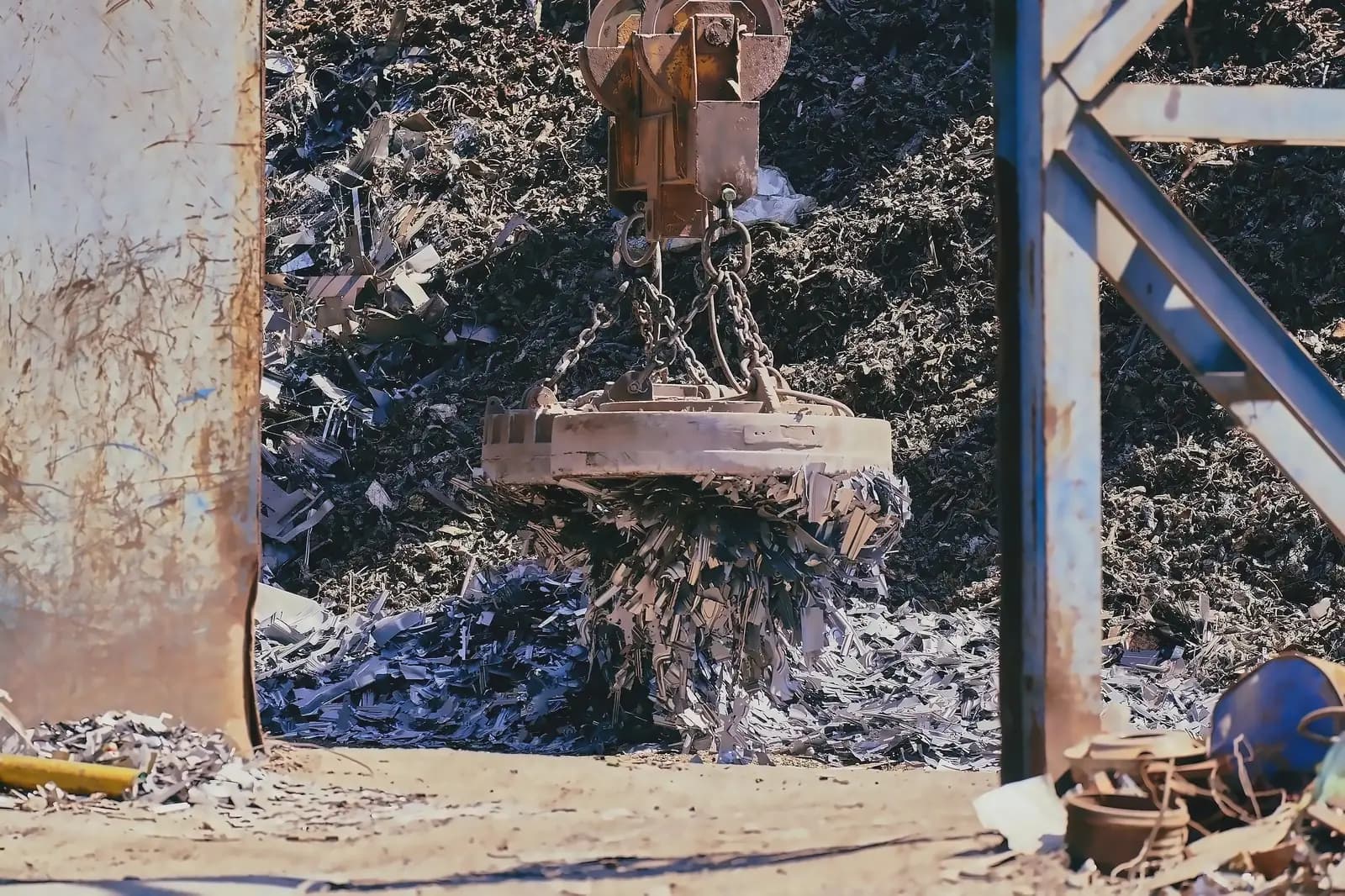
The Aluminium Association of India (AAI) has formally appealed to the Prime Minister's Office to protect the domestic aluminium industry from a surge of low-quality aluminium scrap imports. According to reports from The Hindu BusinessLine, the association highlighted that rising global protectionism has left India highly vulnerable, threatening massive domestic investments and draining the nation's exchequer. The domestic aluminium industry is currently facing a severe 'double-whammy' scenario due to rising imports and declining access to export markets. In its latest representation to the PMO, AAI has specifically urged for enhancing basic customs duty (BCD) to curb the import surge and strengthen domestic market protection measures.
Imports surged to 3.48 million tonnes in FY26, resulting in a forex outgo of over ₹88,400 crore. As reported by The Hindu BusinessLine, the association sought to strengthen the domestic market by imposing various trade measures, including higher import duty. The industry contributes nearly ₹30,000 crore annually to the exchequer and provides over 8 lakh jobs across India's hinterlands. Rising imports threaten over ₹3 lakh crore of planned investments by leading producers, which are expected to create more than 1 lakh jobs and double India's primary aluminium production capacity to 9 MTPA by FY33.
According to the association's representation to the PMO, developed economies such as the United States has hiked Section 232 national security duties to 50 per cent, while the EU is introducing the Carbon Border Adjustment Mechanism (CBAM) alongside safeguard investigations. As reported by The Hindu BusinessLine, Mexico has aggressively hiked customs duties on Chapter 76 up to 35 per cent despite lacking primary smelting capacity. With developed economies restructuring regulations to retain high-quality scrap while exporting low-grade material with less than 90 per cent aluminium content, other nations such as Malaysia and China are curbing imports of poor-quality aluminium scrap. Due to rising protectionism by developed economies, India is facing a major import threat from global aluminium surplus capacities and imports of low-quality scrap due to absence of quality standards.
The association sought the publication of the final draft standard titled 'Aluminium & Aluminium Alloy Scrap – Requirements & Conditions of Delivery', which has been approved by NITI Aayog, BIS, JNARDDC and the BIS Working Group. According to The Hindu BusinessLine, AAI sought changes to aluminium scrap import duty only after publication of the pending standard and introduction of grade-wise HSN codes, ensuring that only high-quality aluminium scrap is imported into India. The association also sought promotion of the country's circular economy by establishing a robust domestic aluminium scrap collection and recycling ecosystem to reduce dependence on imported aluminium scrap.
The association highlighted that forex outgo of over ₹40,200 crore in FY26 was due to dependence on imported aluminium scrap. As reported by The Hindu BusinessLine, the industry faces a major import threat from global aluminium surplus capacities and imports of low-quality scrap due to absence of quality standards. The domestic aluminium industry's dependence on imported aluminium scrap has led to significant forex outflow, underscoring the need for enhanced quality standards and import controls to protect India's strategic industrial interests.