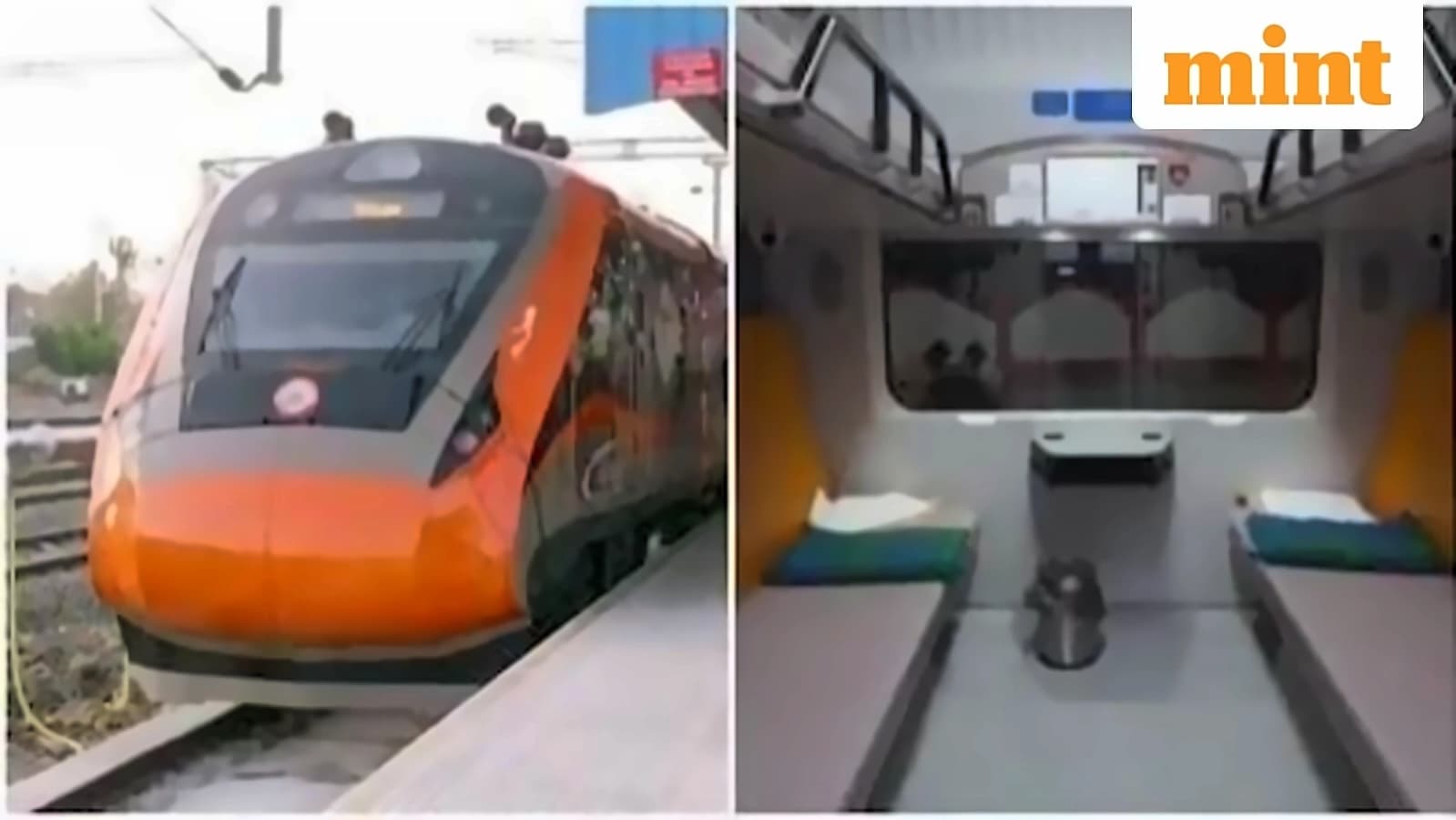
According to an analysis by Gemini, the comparison between Rajdhani Express and Vande Bharat Express for scenic rail travel requires understanding their fundamental differences. Rajdhani Express are designed as night-cruisers for long-distance, overnight travel, offering comfortable classic rail experiences but primarily focusing on utility with limited scenic value due to dark travel conditions. Vande Bharat Express are modern, daytime, semi-high-speed trains featuring large panoramic windows, modern aesthetics, and superior acceleration, making them significantly better suited for scenic travel during daylight hours.
As reported by Gemini, the analysis identified six top scenic rail routes prioritizing Vande Bharat for daytime visibility and Rajdhani where specific geography provides unique perspectives. The routes include The Konkan Coast featuring breathtaking tunnels, lush Western Ghats, and river bridges, Himalayan Engineering with the Chenab Bridge and Pir Panjal tunnels offering panoramic mountain views, Himalayan Foothills showing beautiful transitions from Indo-Gangetic plains to Shivalik range, Tropical South passing through verdant paddy fields, coconut groves, and rural Tamil Nadu, North East Passage traversing lush Brahmaputra valley and expansive tea estates of Assam, and Coastal/Interior Transition offering cross-sections from central plains to tropical Kerala greenery.
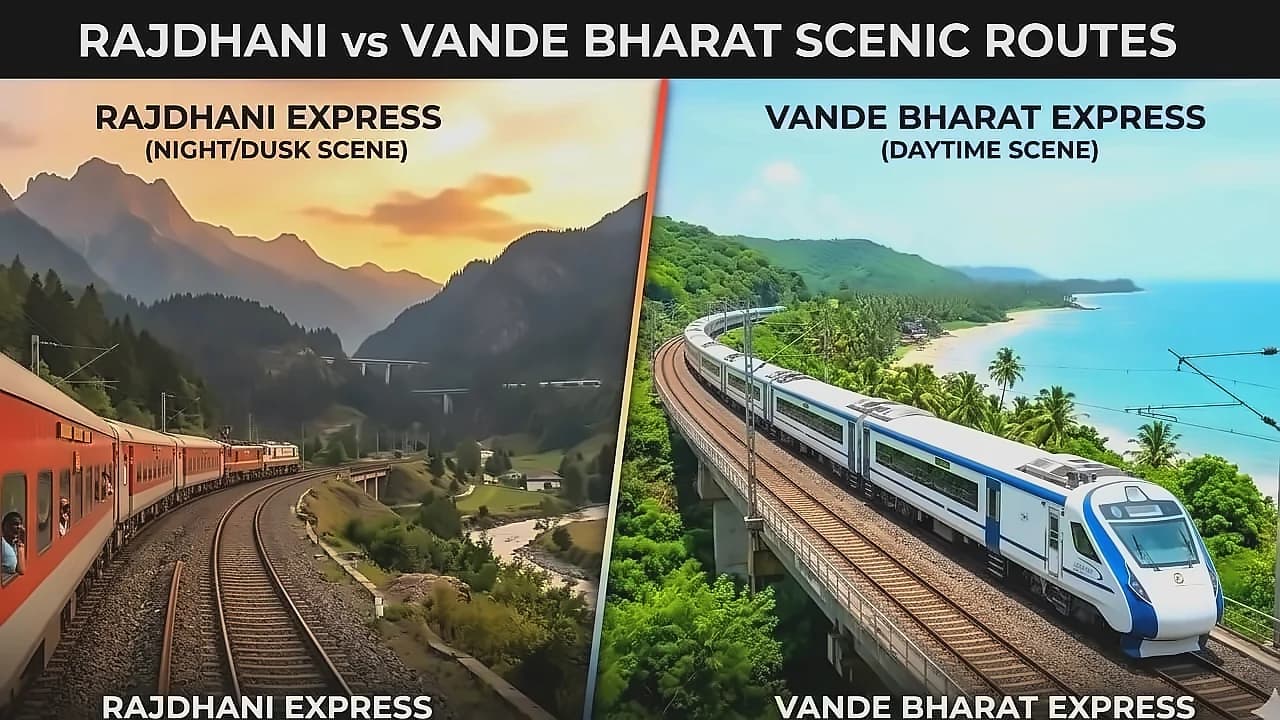
According to the expert analysis, Vande Bharat emerges as the clear winner for sightseers due to its combination of large, sealed windows that prevent dust and noise, and daytime schedules that allow real-time landscape viewing. The modern architecture on Mumbai-Goa and Katra-Srinagar routes acts like a viewing deck for some of India's most dramatic topography. The large panoramic windows and daytime operations provide optimal conditions for scenic travel compared to Rajdhani's night-time focus.
Despite being traditionally less scenic due to speed and metropolis connectivity focus, the New Delhi to Dibrugarh route is an exception that provides scenic landscape transitions over multiple days. As reported by Gemini, this long-haul journey allows travelers to experience lush, rain-fed beauty of the Northeast during daylight hours. The analysis suggests that while Rajdhani routes are primarily utility-focused, specific geographic routes can offer unique scenic experiences.
According to the expert guidance, Executive Class on Vande Bharat offers rotating seats allowing groups to orient toward windows for maximum valley or coastal views. Seasonal timing is crucial - the Mumbai-Goa Vande Bharat is world-class during monsoon (July–September) when Western Ghats cascade with waterfalls, while the Katra-Srinagar route is best viewed in shoulder months (March–May or September–October) for clear, snow-dusted Himalayan peaks. These recommendations ensure optimal scenic viewing experiences across different routes and seasons.