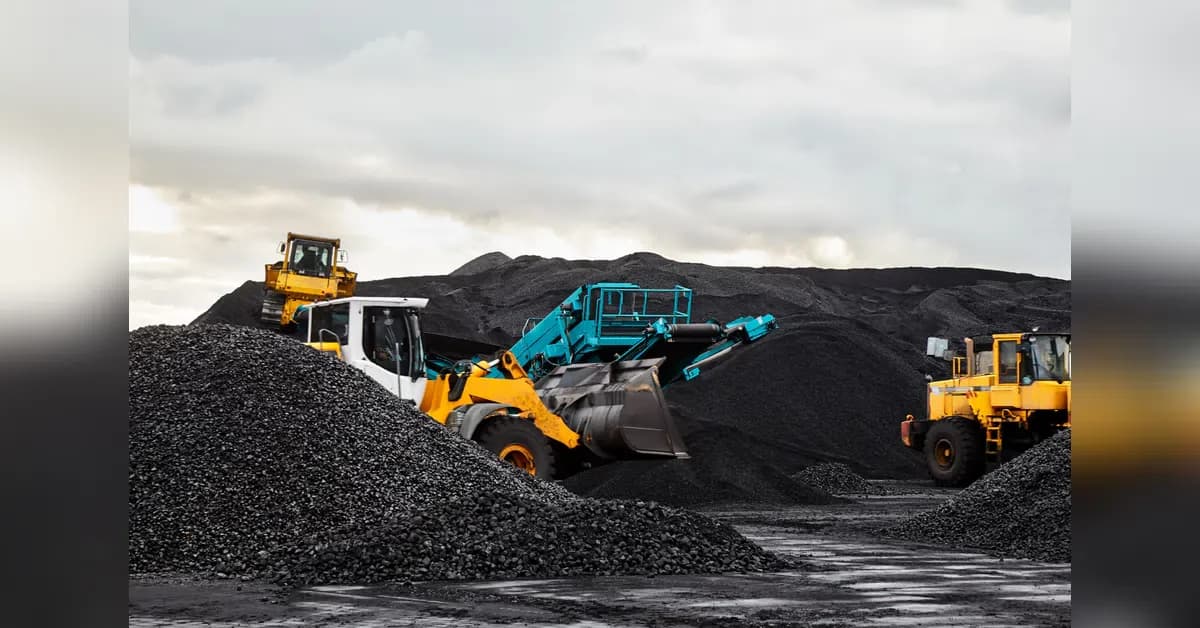
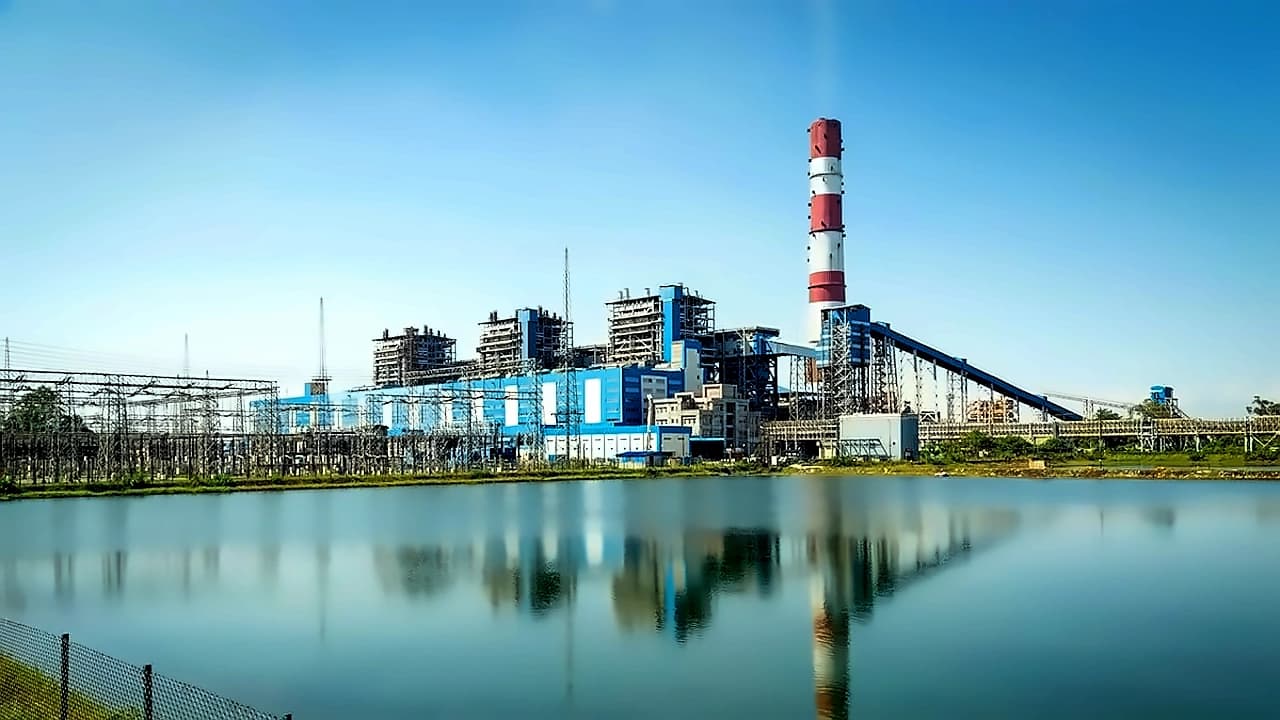
Indian states have awarded 18.2 GW of fresh thermal power capacity in FY25 and FY26, representing a significant shift from the previous period when the coal-fired power sector was effectively closed for new business. According to the Centre for Innovation in Public Policy (CIPP) report, this development will require an estimated ₹2.3-2.4 trillion in committed capital at a unit cost of roughly ₹13-14 crore per MW. The investment momentum is expected to continue for the next three fiscal years through FY28, with the total investment increasing from ₹1.1 lakh crore in the preceding three-year period. As per the CIPP report, this represents a dramatic turnaround from the period between FY22 and FY24 when India's coal-fired power industry was effectively closed as state distribution utilities signed almost no new long-term PPAs for thermal capacity amid policy attention and capital shifting towards solar and wind.
If this investment is extended to the government's overall target of 80 GW of new coal-fired capacity by FY32, a cumulative capital commitment of roughly ₹10.8 trillion by 2032 will be required, as reported by the CIPP. This represents more than 60 per cent above the ₹6.67 trillion estimated in the government's earlier planning documents. The report notes that between FY22 and FY24, India's coal-fired power industry was effectively closed as state distribution utilities signed almost no new long-term PPAs for thermal capacity amid policy attention and capital shifting towards solar and wind. The CIPP report emphasizes that "that pause has now ended, and abruptly," citing renewable energy's limitation of daytime-only supply as creating a baseload gap.
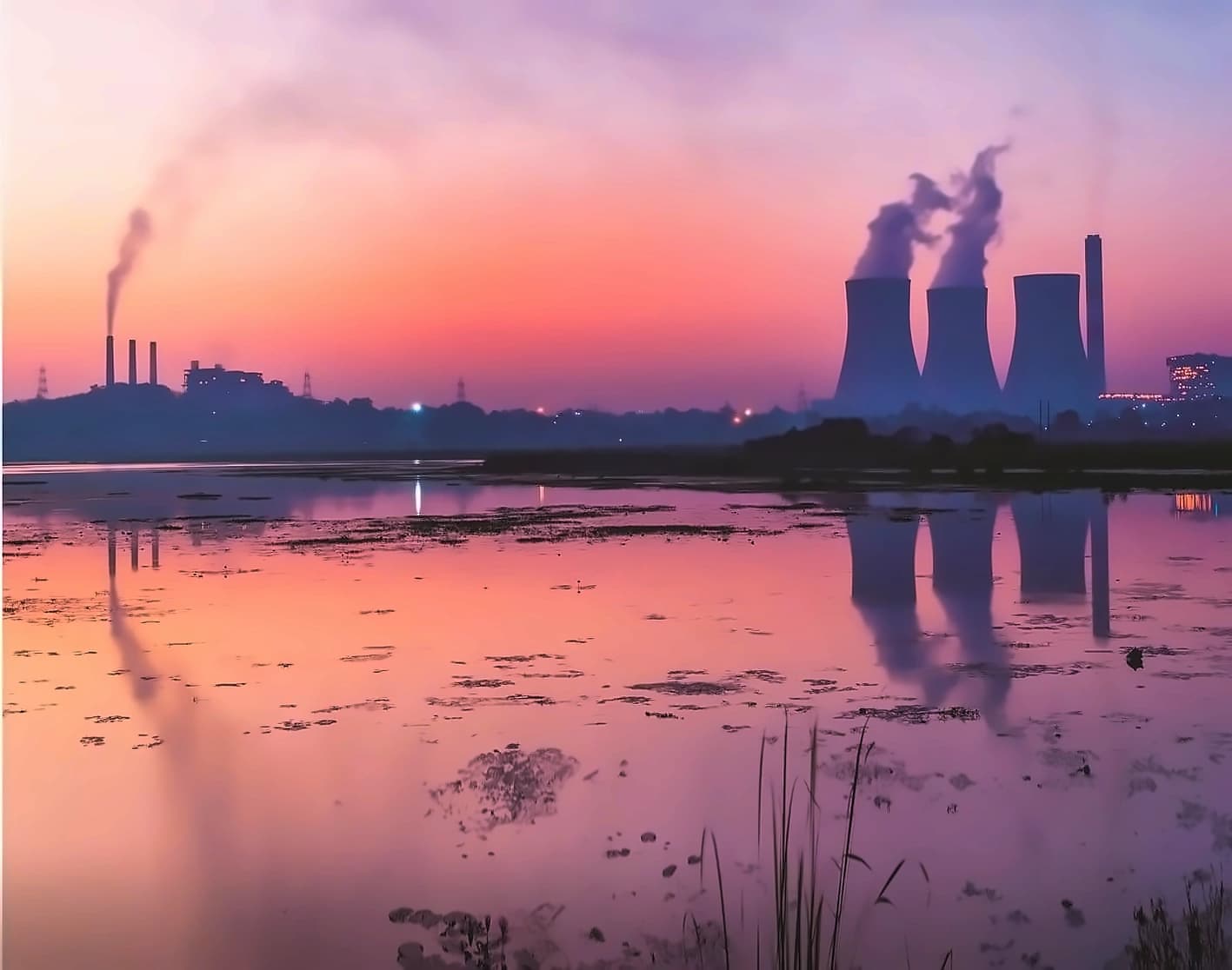
The report attributes the shift back to coal to renewable energy's limitation of daytime-only supply creating a baseload gap, with Central Electricity Authority resource-adequacy filings for individual states pointing to widening demand-supply imbalances in the years ahead. According to the CIPP, there has also been a policy pivot in thermal PPAs, with every thermal tender now issued with a coal-supply allocation attached. The report describes this as the most important reform reducing the risk that stalled projects faced in the past decade. Additionally, projects are increasingly structured on a design-build-finance-own-operate basis, shifting fuel-price risk away from the developer. The CIPP report also attributes part of the shift to reduced international pressure on fossil-fuel investment following the current US administration's more permissive stance on coal and oil.