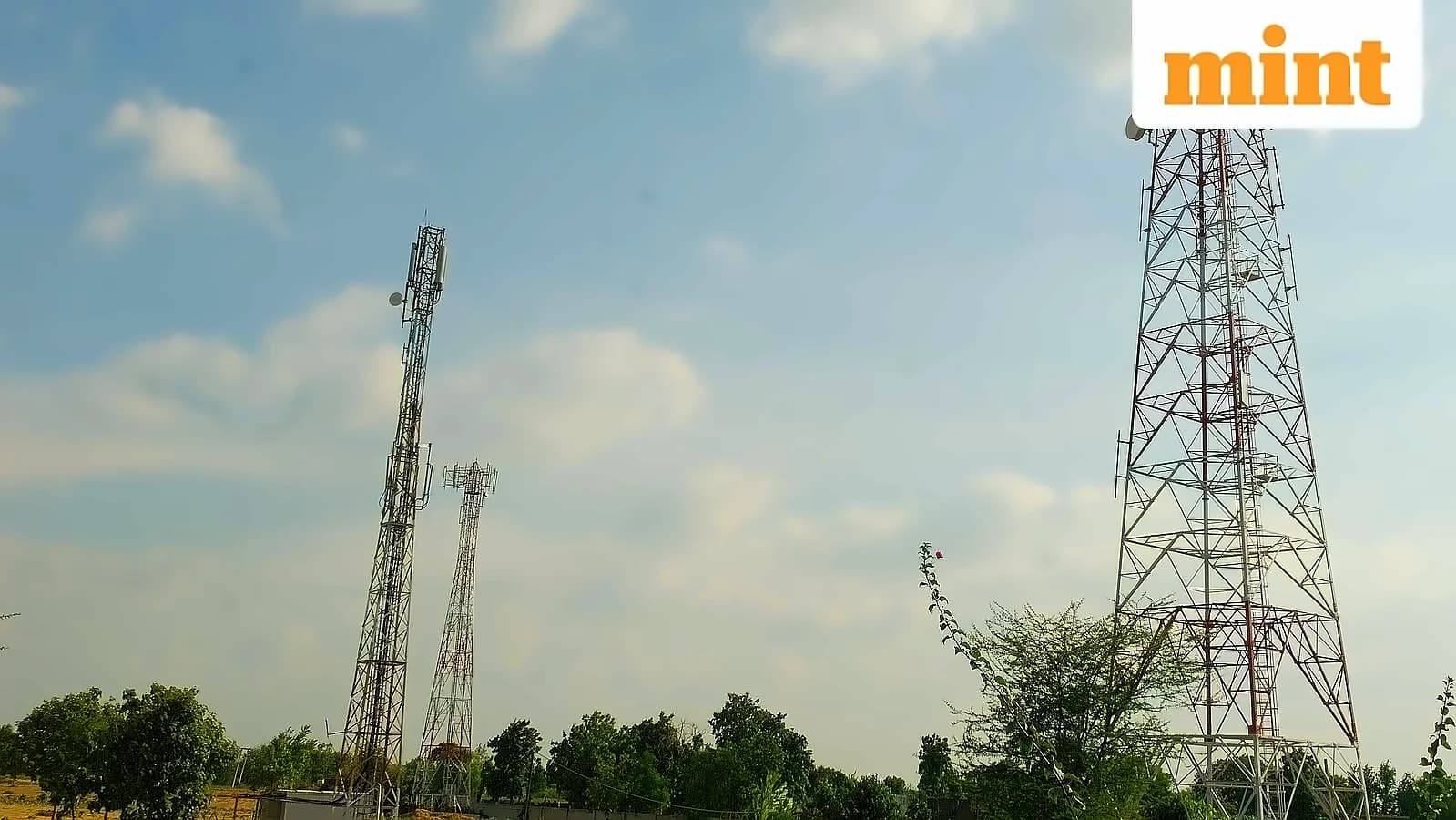
The ongoing West Asia war has exposed a crucial gap in telecom infrastructure protection, despite the sector's formal classification as critical infrastructure. According to reports from Mint, telecom operators and tower companies are facing uneven state-level restrictions on diesel sales and movement, threatening network continuity. The Digital Infrastructure Providers Association (DIPA) complained on 30 March about being denied diesel sales in drums by fuel stations across Maharashtra, Uttar Pradesh, Arunachal Pradesh and Madhya Pradesh. As reported by Mint, Manoj Kumar Singh, director general of the association, stated that these restrictions are causing adverse effects on telecom connectivity continuity, potentially leading to outages affecting essential services including government offices, hospitals, law enforcement agencies, educational institutions, and banking.
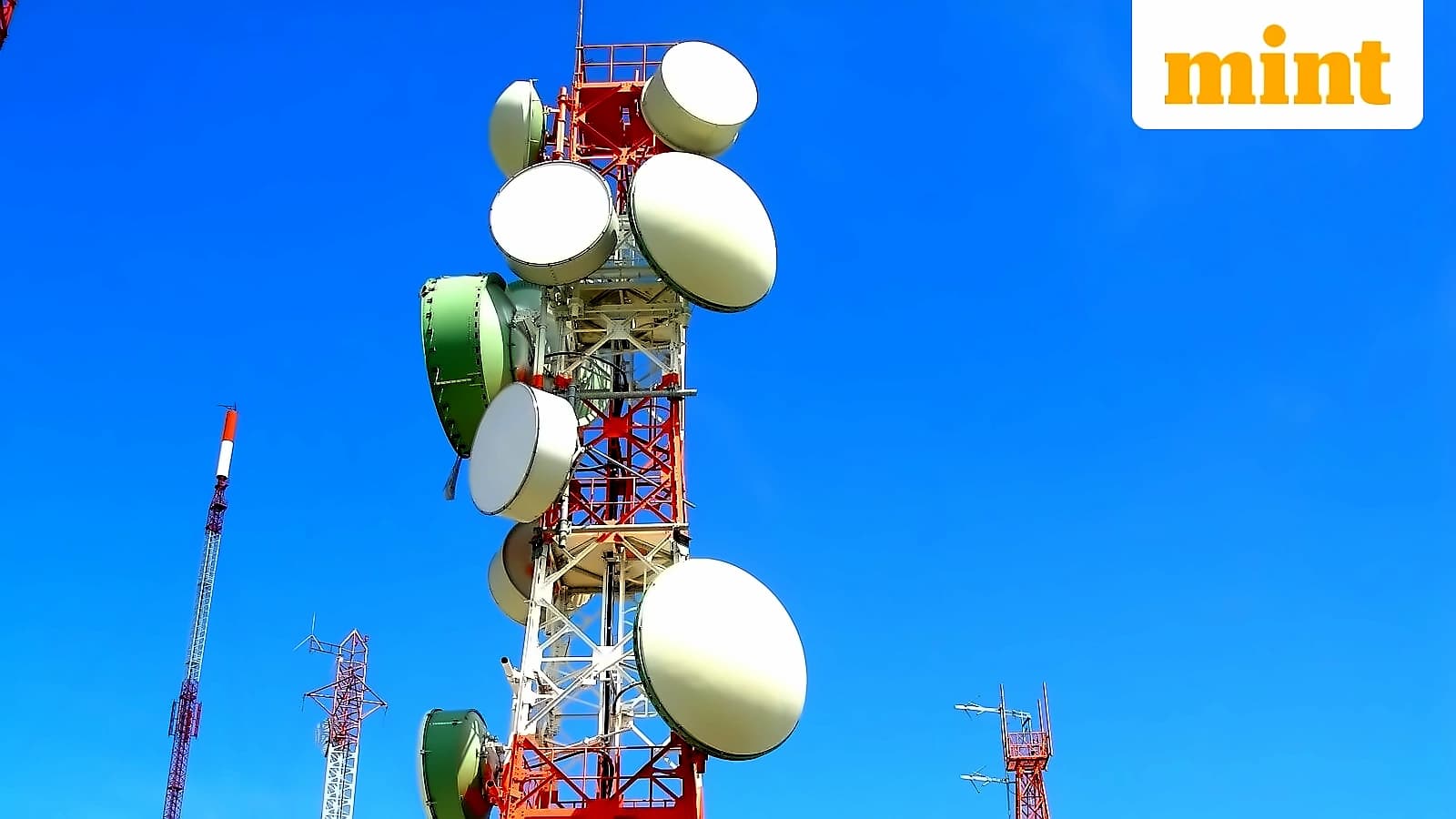
The Department of Telecommunications (DoT) has intervened to address these supply constraints, urging state governments to grant telecom operators necessary exemptions from purchase curbs for uninterrupted diesel procurement, transportation, and storage. According to Mint, the DoT communication emphasized that telecom services are essential and critical infrastructure under multiple regulatory frameworks, including the Essential Services Maintenance Act 1968 and Telecommunications Act 2023. The department specifically highlighted that exemptions would help ensure continuity of telecom services during emergency situations, disaster response scenarios, and for maintaining connectivity for citizens and government agencies.
Telecom operators, represented by the Cellular Operators Association of India (COAI), have flagged broader implementation challenges beyond fuel supply. As reported by Mint, previous issues included delays in telecom right of way policy implementation by various states and higher pricing than notified by New Delhi. The Strait of Hormuz blockade and global oil supply constraints are expected to increase fuel costs for telecom operators, according to a 6 April note by IIFL Capital. Vinish Bawa from PwC India described the current challenges as transitional rather than structural, suggesting the critical infrastructure tag provides opportunity to strengthen last-mile alignment for seamless priority access during disruptions.
Industry experts are proposing technology-based solutions to address operational challenges. According to Mint, Prashant Singhal from EY suggested digitizing procurement processes through centralized online portals to better coordinate disruptions. The report cited Sri Lanka's QR-code based fuel distribution system as a potential model for monitoring usage, streamlining refueling processes, and ensuring minimal operational disruption. Satya N. Gupta from Trai noted that telecom being predominantly a central subject creates implementation challenges at state level, suggesting either bringing telecom under concurrent list or establishing state-level regulators for on-ground policy implementation.