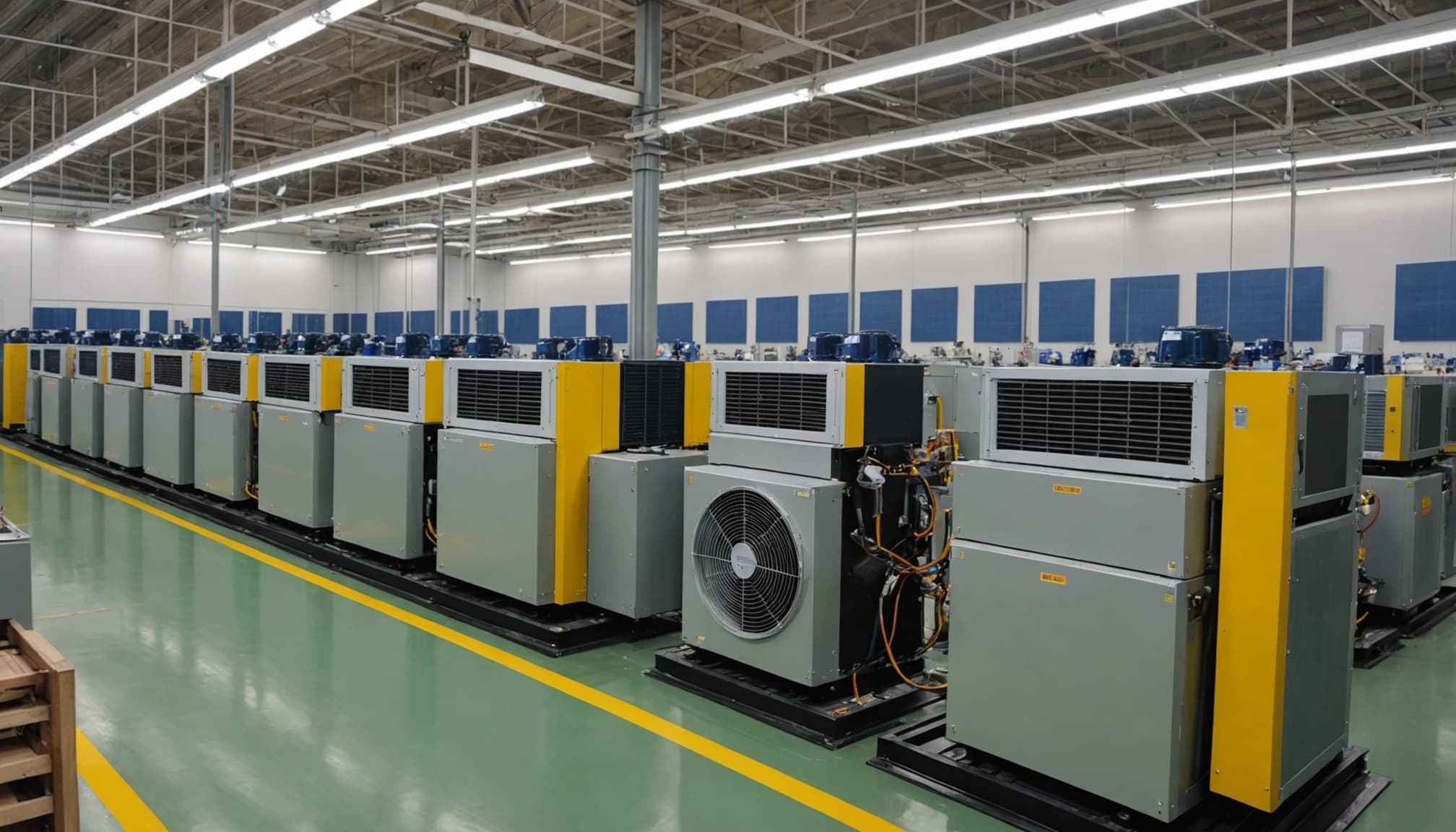
Singapore is reviving the 140-year-old district cooling concept to address rising temperatures that are rising twice as fast as the global average. The technology is taking root deep beneath Singapore's northeastern district of Punggol, where a five-kilometer network of metal pipes roars as it pumps chilled water to cool offices and classrooms overhead. According to reports from Business Standard, the city-state has laid pipes beneath at least eight neighborhoods, with the Marina Bay network - the world's largest underground system - having begun operations in 2006. The technology uses less electricity than centralized air conditioners, providing a major advantage for a resource-starved country that imports nearly all its energy.
The district cooling market is projected to grow to a $60 billion market by 2034, as reported by Business Standard. Engie SA, among the world's largest operators, sees the local market potentially doubling over the next decade from about 323,000 refrigeration tons today. The company runs two systems in Punggol district capable of cooling about 8,000 public housing units, with potential to double district cooling capacity in Singapore, Malaysia and the Philippines by the next decade. More buildings will be linked up to the Marina Bay system, and separate facilities are being rolled out in other parts of the city by firms like Keppel EaaS Pte.
District cooling systems offer significant energy efficiency improvements, with 30% to 50% efficiency gains on electricity compared to individual air conditioners due to scale benefits, according to Brian Vad Mathiesen, a professor at Aalborg University in Denmark. The technology uses large tanks full of refrigerants to chill water to about 7°C (45°F) degrees, which is then piped into buildings for cooling. However, as reported by Business Standard, the cost of building these cooling networks can run into hundreds of millions of dollars depending on the size. The first generation of such cooling systems was installed in the US city of Denver in 1889, using ammonia or brine solutions as distribution fluids, with water-based systems emerging in the 1960s in the eastern US and Europe.
Singapore's district cooling initiative is part of a S$100 billion ($77 billion) plan to safeguard the city against rising temperatures and sea levels, as reported by Business Standard. The city-state has among the highest per capita use of air conditioners in the Asia-Pacific region, creating a negative feedback loop as the machines release climate-warming emissions that create the need for more cooling. The government is keen to reduce this dependency in favor of more efficient cooling solutions, with cooling demand rising due to urbanization, income growth, heat stress and commercial floor-area expansion across Southeast Asia. Singapore's playbook will be important if it can demonstrate district cooling systems that credibly deliver energy, water, carbon, comfort, reliability and economic performance under hot and humid conditions.
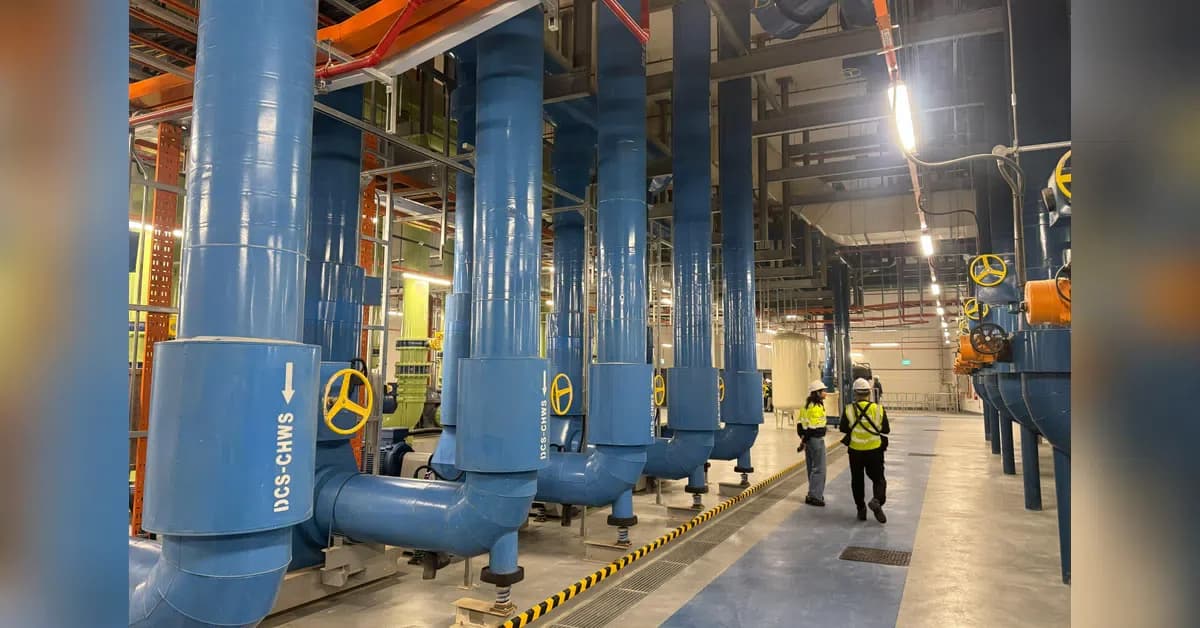
Technical challenges have emerged, including water leaks and warm air complaints after Singapore's first centralized public housing system was rolled out in 2023. Engineers at the Punggol network command center track water temperatures, pump operations, and maintenance needs in real-time to manage these issues. The systems face increasing competition for water resources, with data centers facing public backlash over water usage in neighboring Malaysian states. Power- and water-intensive data centers have faced particular scrutiny, including in Johor, which had to stop approvals for less-efficient data facilities due to water shortage concerns. These challenges come as Singapore prepares for an exceptionally hot summer due to a projected Super El Niño and braces for energy shortages caused by the US-Iran war.