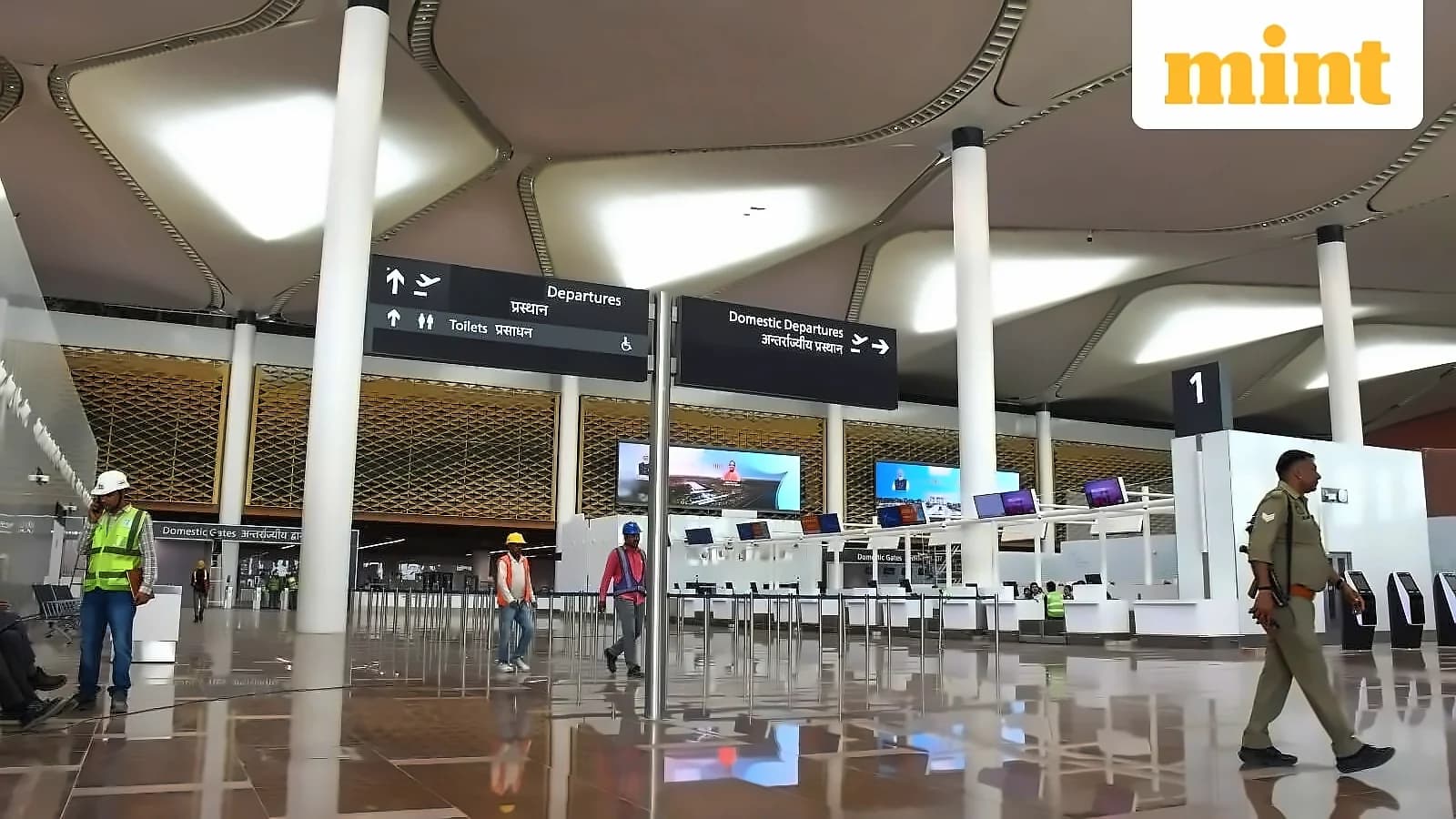
Airport operators have sought urgent policy and regulatory support from the Ministry of Civil Aviation (MoCA) following a 25% reduction in landing and parking charges for domestic flights. According to sources, the Airports Economic Regulatory Authority (AERA) has reduced landing and parking charges at all major airports by 25% with immediate effect for a period of three months, pursuant to directions of the Central Government. The Association of Private Airport Operators (APAO), which represents 14 PPP airports including Delhi, Mumbai, Hyderabad, Bengaluru, Mopa, Jaipur, Ahmedabad and Lucknow, has written to aviation secretary Samir Sinha with demands of its own after the government's April 7 directive. The Airport Operators Association of India (APAO) has written to MoCA, expressing support for the policy intervention aimed at providing immediate relief to the civil aviation sector, while raising concerns that given the uncertainties in the evolving geopolitical situation, the order is likely to materially affect immediate cash flows, debt repayment ability and operational sustainability.
On April 7, the Airports Economic Regulatory Authority (Aera) ordered a 25% reduction in landing and parking charges for domestic flights at major airports for three months. As reported by Mint, the move aims to ease airline costs amid high jet fuel prices following the war in West Asia. However, sources indicate that AERA has not adequately considered the operational mix, including the proportion of international versus domestic traffic at different airports, leading to varying financial impacts. They added that a uniform 25% reduction creates revenue imbalances and may be seen as arbitrary, with operators suggesting a differentiated, airport-specific approach. The Airport Operators Association of India (APAO) has written to the Ministry of Civil Aviation, expressing support for the policy intervention aimed at providing immediate relief to the civil aviation sector.
Airports are facing traffic reductions, revenue losses, cost escalation and operational risks, with non-aeronautical revenues including retail, duty-free shops, food and beverage outlets, real estate and advertising being lost forever. According to sources, airport operators are contractually obligated to remit revenue share or per passenger fees to AAI under concession agreements, and in the absence of any interim relief, the burden of tariff reduction disproportionately falls on operators. APAO secretary-general Satyan Nayar's letter to aviation secretary Samir Sinha states: "Revenue losses in the aviation sector are not limited to airlines alone... Airport operators are contractually obligated to remit revenue share or per passenger fee to AAI... concessionaires operating at airports are seeking waivers citing loss of business." The association warned that in the absence of any corresponding interim relief, the burden of the tariff reduction disproportionately rests on airport operators, with concessionaires also seeking waivers citing loss of business due to the prevailing geopolitical situation. Sources said there has been no reduction in airport operating expenditure, as infrastructure, service quality, safety standards and benchmarks must be maintained, resulting in fixed and non-deferrable costs.
Sources emphasize that there has been no reduction in airport operating expenditure, as infrastructure, service quality, safety standards and benchmarks must be maintained, resulting in fixed and non-deferrable costs. The association noted that airlines are already contending with weaker traffic, especially on international routes, alongside rising costs. Separately, the group urged the government to address fuel costs, noting that aviation turbine fuel typically accounts for 35-40% of airline operating costs, while landing and parking charges account for only 4-5%. Sources also suggested that MoCA may request state governments to reduce VAT on ATF to 5% or below to address the cost structure imbalance. In conclusion, sources said airport operators have reiterated their commitment to supporting government initiatives aimed at protecting the interests of domestic airlines, while stressing the need to ensure that airports remain financially resilient and capable of meeting debt obligations, as they are critical infrastructure assets largely funded by public sector banks.
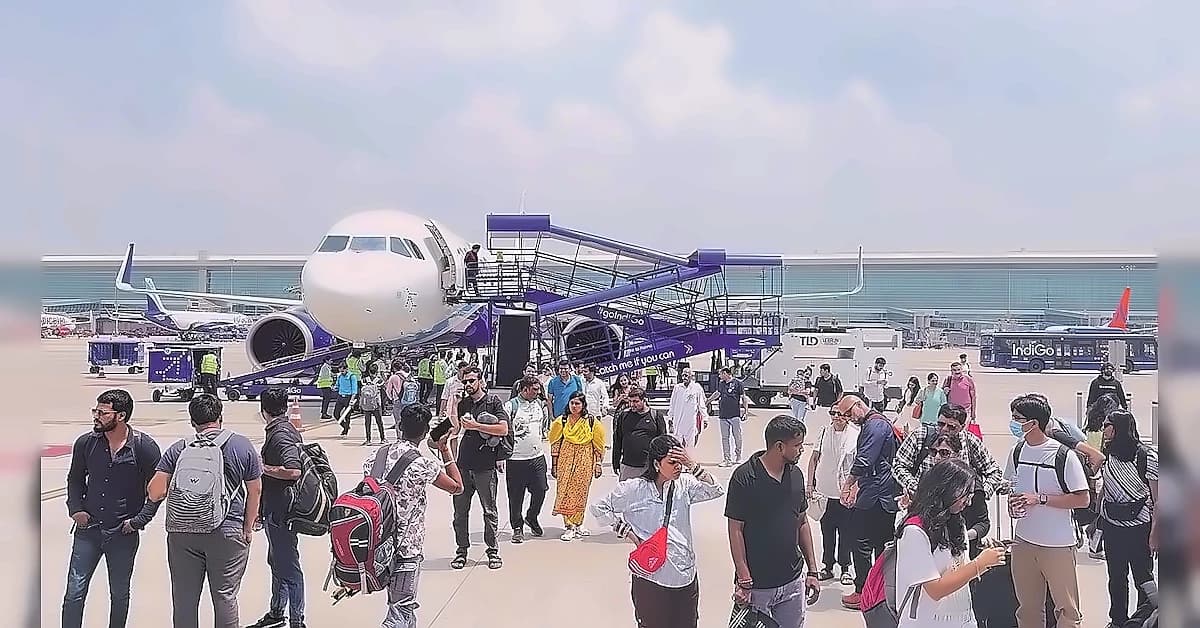
The plea comes after the Federation of Indian Airlines, whose members include IndiGo, Air India, and SpiceJet, called for further government intervention to reduce jet fuel prices on international routes. According to Mint reports, the Federation warned of route cuts and aircraft groundings if costs remain elevated. Sources have raised concerns that the abrupt change in airport tariffs, without consultation, may affect regulatory certainty in the Indian airport sector, which has been built over the last 16 years by MoCA and AERA. This comes at a time when the government is looking to privatise more Airports Authority of India (AAI) airports and state governments are awarding new greenfield airports to private investors. The Airport Operators Association of India (APAO) has written to the Ministry of Civil Aviation, expressing support for the policy intervention aimed at providing immediate relief to the civil aviation sector.