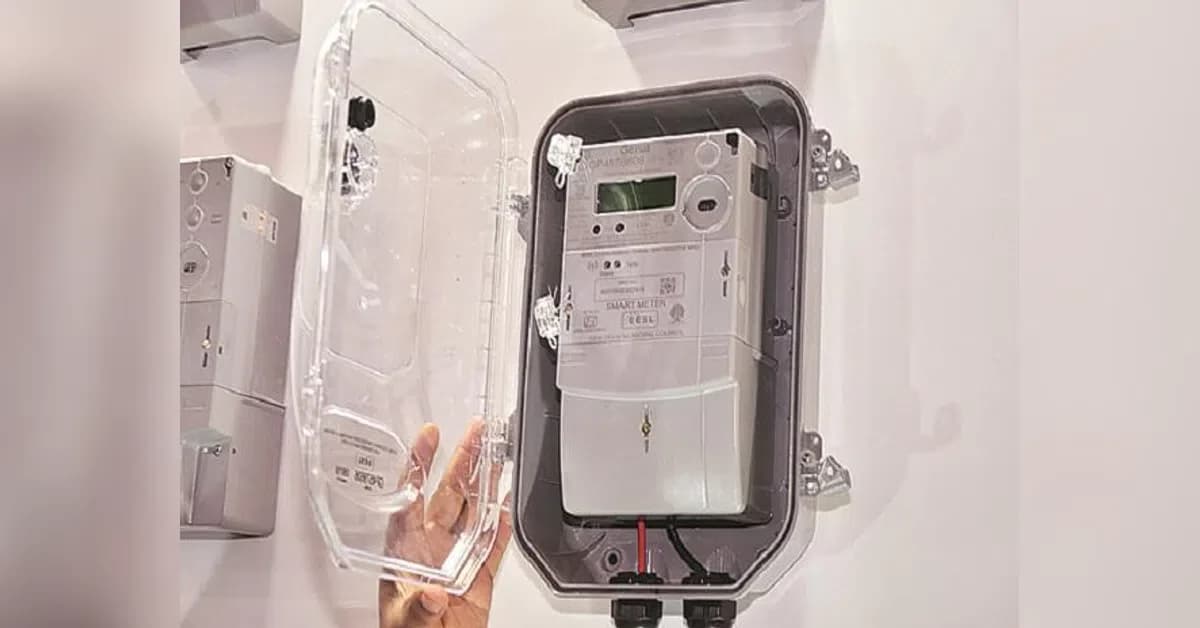
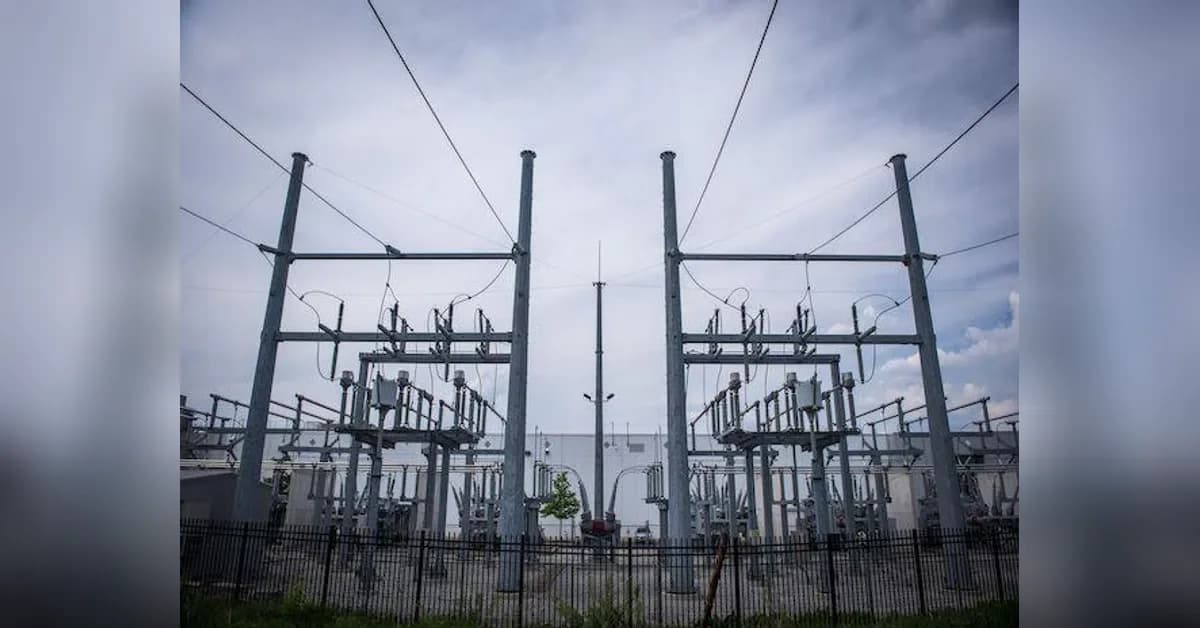
The Comptroller and Auditor General of India (CAG) has launched what is being described as India's biggest-ever audit of the power sector, focusing on assessing the financial health and operational efficiency of electricity distribution companies (discoms). According to NDTV Profit, the nationwide audit will be conducted in phases, beginning with discoms and examining five years of their performance, including financial losses, debt, power procurement, billing gaps and distribution efficiency. The audit covers 39 discoms and comes ahead of a proposed ₹3 lakh crore central investment in the power sector. As reported by NDTV Profit, the scale of the exercise comes into focus as accumulated losses of discoms have reached ₹3.42 lakh crore, while their outstanding debt has crossed ₹7.26 lakh crore and their interest burden alone stands at ₹77,653 crore.
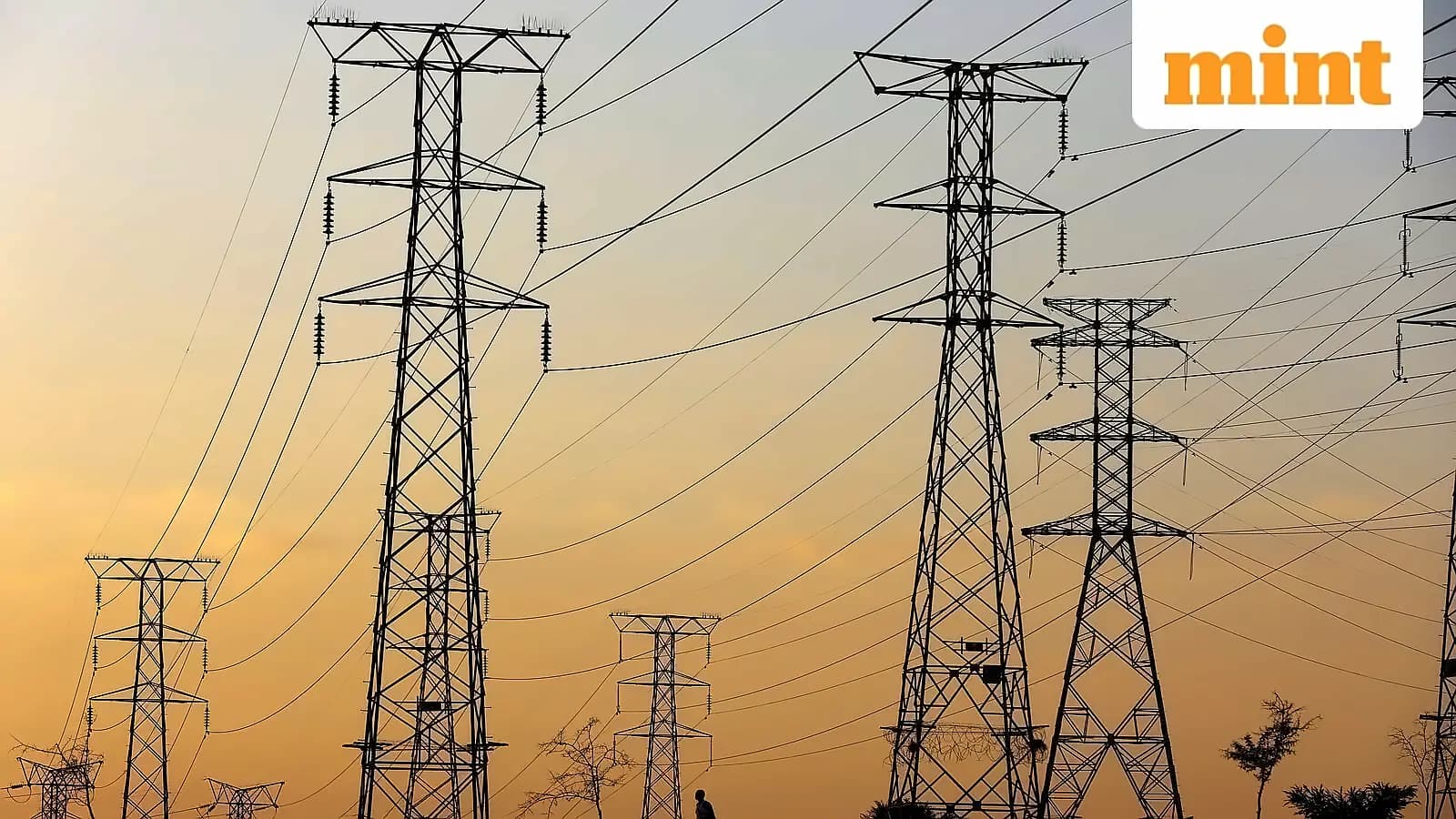
India's state-run electricity distributors are paying up to four times the regulated exchange ceiling to secure short-term power supplies amid severe supply constraints. According to reports from Mint, electricity prices in the uncapped bilateral market touched ₹30 per unit this summer, with supplies contracted for coming months reaching as high as ₹41.50 per unit. This compares to spot rates on power exchanges that are capped at ₹10 per unit, and at ₹20 in the specialised high-price day-ahead market (HP-DAM). The CAG audit reveals that discoms' financial stress affects the reliability and affordability of power supply and spills over into state finances through subsidies, guarantees and equity support.
The scramble for supplies is continuing beyond the summer season, with several discoms securing power through bilateral trade at up to ₹41.50 per unit for the coming months. According to Mint, utilities in Tamil Nadu, Gujarat, Madhya Pradesh, Rajasthan, Karnataka, Delhi and Maharashtra have floated tenders for additional supplies for January-March and April-June periods. The Tamil Nadu Generation and Distribution Corp. Ltd. sought additional supplies at ₹8.50-₹41.50 per unit from November 2026 to May 2027, while Gujarat Urja Vikas Nigam Ltd tied up additional supplies for November 2026-June 2027 at ₹8.98-₹35 per unit.
The CAG is expanding its audit capabilities beyond the power sector, with integrated audits across ministries being conducted for the first time ever. As reported by NDTV Profit, the first such integrated audit reports are expected to be tabled in Parliament's winter session, covering MSME and logistics sectors as key focus areas. The integrated logistics audit aims to identify gaps driving logistics costs and delays across railways, roads and shipping sectors. Meanwhile, the MSME audit seeks to assess ease of doing business at state level, focusing on whether reforms are helping small businesses. Additionally, integrated audits will cover seven central schemes and urban mobility across 101 cities, with findings expected to highlight gaps in scheme implementation.
Despite recent improvements, DISCOMs face significant financial challenges that threaten India's energy transition. In FY 2024-25, distribution companies recorded a ₹2,701 crore profit after tax, marking an improvement after years of losses, but cumulative losses rose from ₹5.5 billion to ₹6.47 billion between FY 2020-21 and FY 2024-25. The CAG audit confirms that government support is increasingly meeting the cost of losses, debt and interest rather than investment. The combined energy subsidy bill of Indian states amounted to ₹1.89 trillion in FY 2024-25, equivalent to 43.4% of their total subsidy expenditure, highlighting the need for reforms in cross-subsidy frameworks and regulatory oversight. Industry experts emphasize that addressing electricity tariff and subsidy structures is crucial for improving DISCOM financial viability.