The power ministry's consultative committee on Thursday deliberated on a proposed framework for parallel distribution licensing to ensure efficient utilisation of electricity distribution infrastructure. According to reports from Business Standard, the proposed framework seeks to enable competition in electricity supply without requiring duplication of the physical distribution network. Under the proposal, existing distribution licensees will continue to own, operate and maintain their networks, while new distribution licensees will be able to use the existing network by paying regulated wheeling charges.
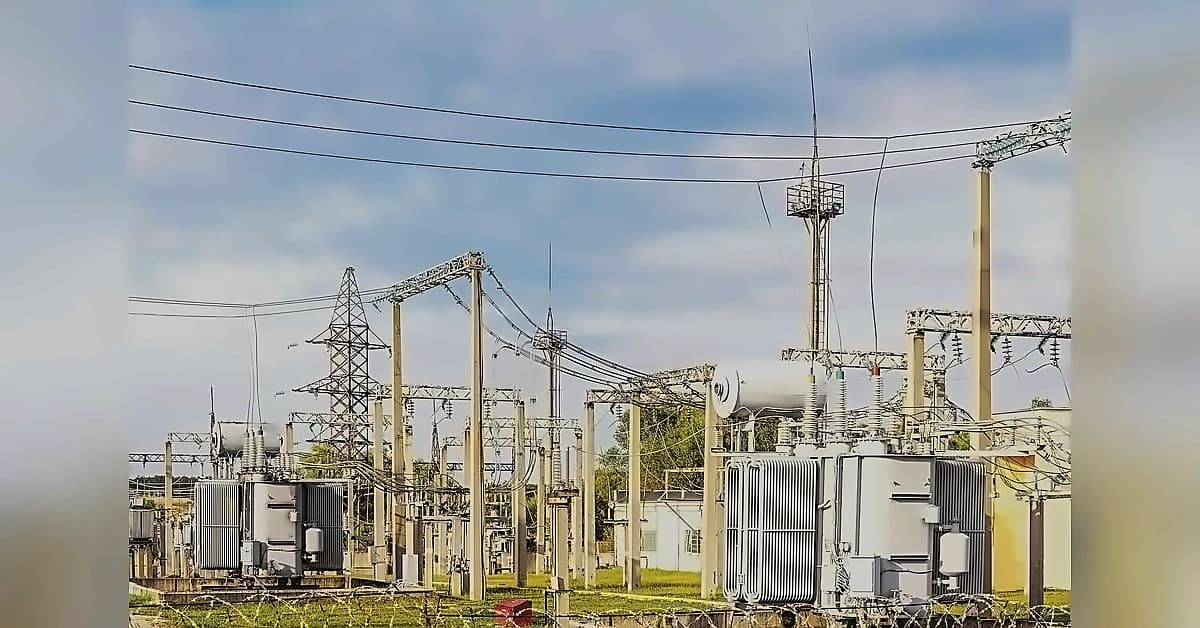
While the existing legal framework permits more than one distribution licensee in the same area, it requires each licensee to establish its own distribution network, resulting in duplication of poles, lines and substations, increasing capital expenditure, discouraging fresh investment and ultimately leading to inefficient utilisation of resources. As reported by Business Standard, Union Power Minister Manohar Lal highlighted that distribution remains the only major segment where competition continues to be limited, despite the Electricity Act, 2003, having introduced competition in electricity generation, transmission and trading.
According to the ministry statement reported by Business Standard, the detailed implementation framework will be developed by the State Electricity Regulatory Commissions (SERCs) to ensure non-discriminatory access to the network. All distribution licensees will continue to be bound by the universal service obligation under the Electricity Act, and the regulatory framework will prevent selective supply only to profitable consumers. The minister emphasized that consumers would have the freedom to choose their electricity supplier, similar to the choices available today in sectors such as telecommunications and aviation.
Minister Manohar Lal noted that the concept has been implemented in Mumbai for several years, where consumers have exercised supplier choice while the distribution network continues to be developed in a coordinated manner under the supervision of the SERC. As reported by Business Standard, this successful implementation demonstrates the practical application of parallel distribution licensing and its potential for efficient resource utilisation across other regions.