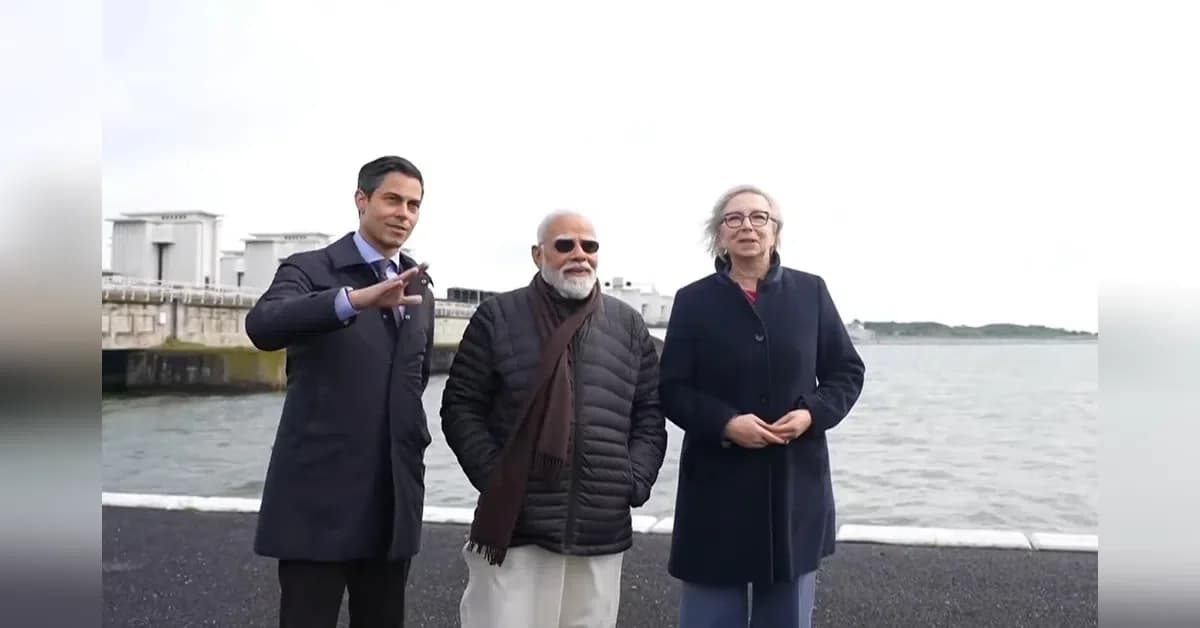
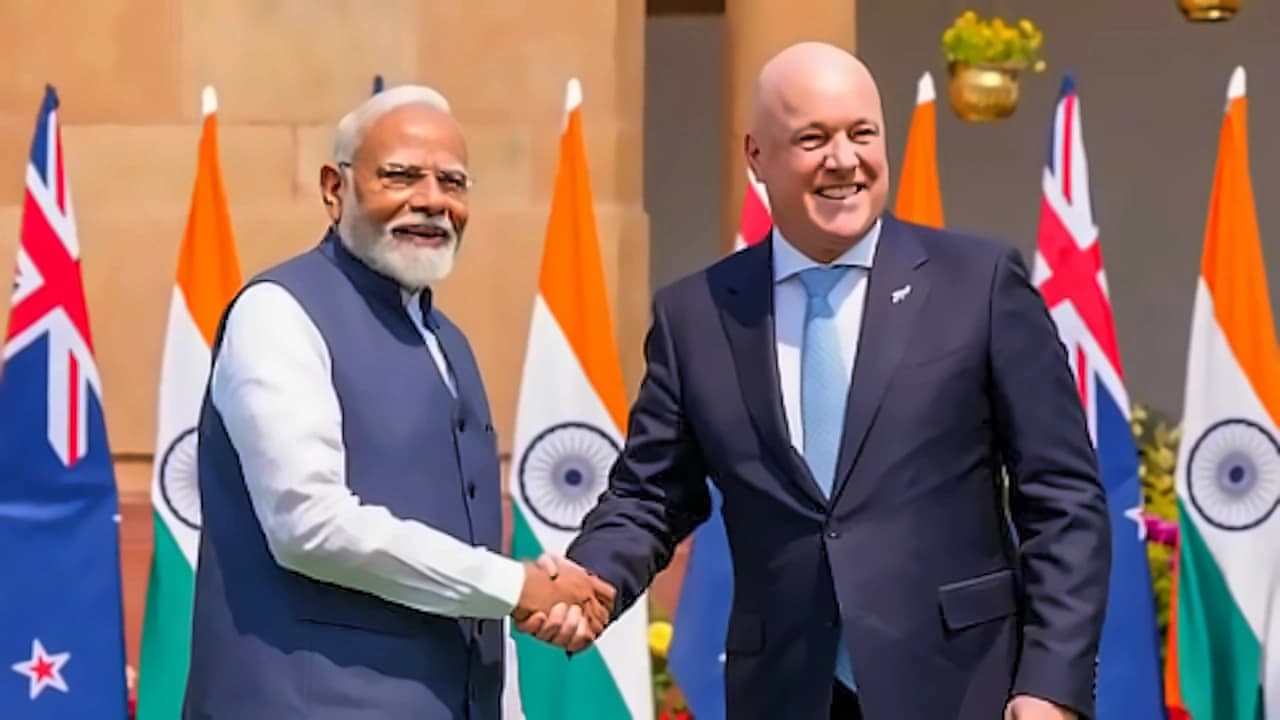
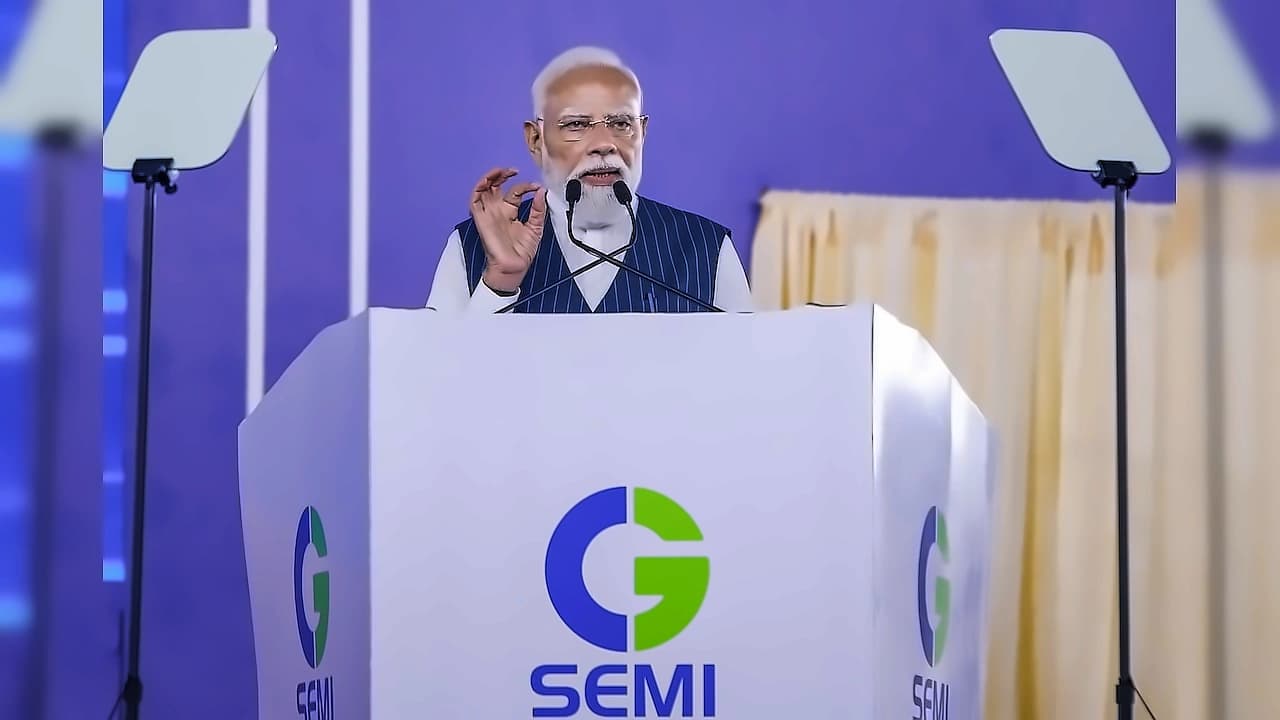
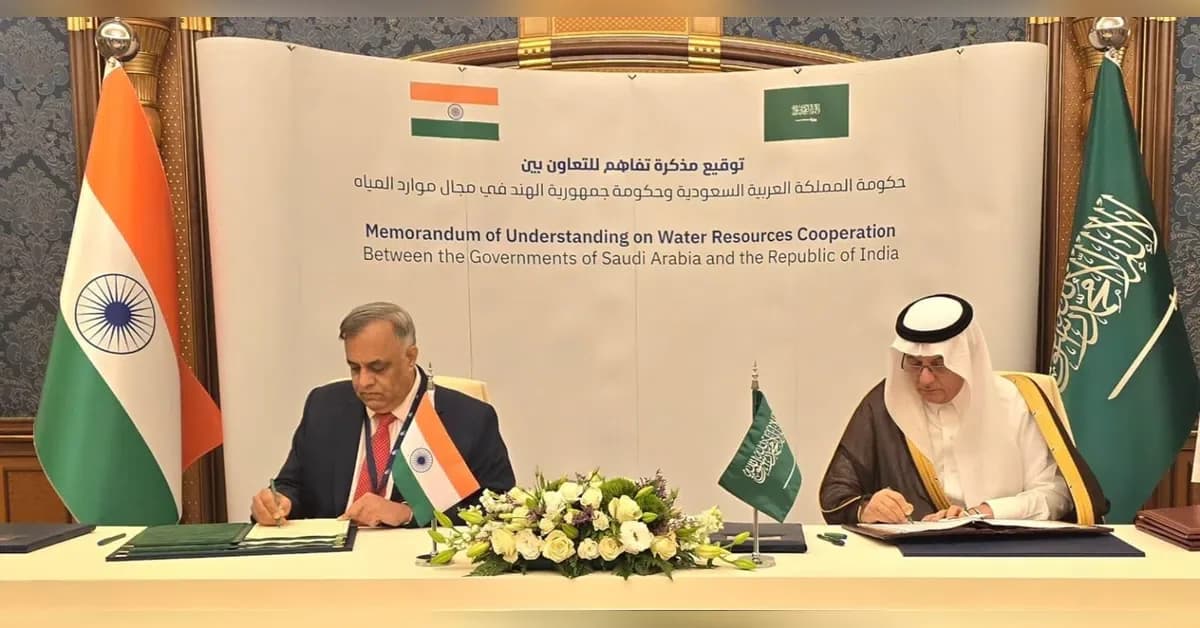
Prime Minister Narendra Modi toured the iconic Afsluitdijk Dam on Sunday, accompanied by his Dutch counterpart Rob Jetten, as India and the Netherlands elevated their relationship to a Strategic Partnership on Water. According to reports from ANI, Modi landed in The Hague on Friday on a two-day visit as part of a four-nation trip to Europe that also includes Sweden, Norway and Italy, aimed at ramping up bilateral ties on a range of key areas. Modi praised the Netherlands for its groundbreaking work in water management, stating that the entire international community can learn a great deal from this expertise. As reported by ANI, Modi emphasized that "My Netherlands visit has added new momentum to India-Netherlands ties. From elevating our relationship to a Strategic Partnership to expanding cooperation in water resources, semiconductors, innovation, defence, sustainability and mobility, we have charted an ambitious roadmap for the future."
The visit resulted in a significant milestone with the signing of a Letter of Intent between Ministry of Jal Shakti of India and Ministry of Infrastructure and Water Management of the Netherlands for technical cooperation on the Kalpasar project in Gujarat. According to ANI, the Kalpasar project aims to create a freshwater reservoir across the Gulf of Khambhat, integrating tidal power generation, irrigation, and transportation infrastructure. The two leaders noted that Dutch expertise in hydraulic engineering and India's scale of implementation present opportunities for mutually beneficial partnerships. The MEA highlighted the relevance of Dutch expertise for India's Kalpasar Project, which aims to create a freshwater reservoir and dam near the Gulf of Khambhat. The Afsluitdijk Dam was called a 'symbol of excellence and innovation' by the MEA, highlighting its role in water management, flood protection and freshwater storage.
Modi highlighted the Netherlands' groundbreaking work in water management, stating that the entire international community can learn a great deal from this expertise. As reported by ANI, the PM emphasized India's commitment to bringing modern technology to India, which is intended to help with irrigation, flood protection, and the expansion of the inland waterway network. The visit underscored opportunities for deeper Indo-Dutch collaboration in climate resilience, water technology and sustainable infrastructure. Modi further reinforced India's technological ambitions, stating "We are committed to bringing modern technology to India, which is intended to help with irrigation, flood control and expanding the inland waterway network."
The Afsluitdijk, a 32-kilometre-long dam and causeway, is a global benchmark in flood control and land reclamation, protecting large parts of the Netherlands from the North Sea while enabling freshwater storage. According to ANI, the visit put a spotlight on the parallels between the Afsluitdijk and India's ambitious Kalpasar project in Gujarat. The visit underscored the shared commitment of both nations to innovative water management solutions, climate resilience, and sustainable infrastructure. Modi posted photographs from his visit on social media platform X, emphasizing the technical insights gained during the tour. The Afsluitdijk is considered a landmark example of advanced engineering used to manage rising sea levels and prevent flooding, with this upgrade further strengthening coastal protection by adding stronger locks and improved water drainage systems.
Following his Netherlands visit, PM Modi will be in Sweden on May 17 and 18 as part of his ongoing five-nation tour, with the visit expected to focus on strengthening bilateral cooperation in innovation, green technologies, trade, defence and emerging sectors. The visit comes at the invitation of Swedish Prime Minister Ulf Kristersson and marks PM Modi's second trip to Sweden after his landmark 2018 visit for the first-ever India-Nordic Summit. Following Sweden, PM Modi will travel to Norway for the third India-Nordic Summit, where leaders from Norway, Denmark, Finland, Iceland and Sweden are expected to deliberate on technology, renewable energy, defence, sustainability and Arctic cooperation.