India's flagship regional air connectivity scheme has faced significant operational challenges, with commercial flights currently operating on only 336 of the 669 routes launched under the UDAN scheme since 2017. According to The Economic Times, this represents a nearly 50% closure rate of routes, highlighting the difficulties of maintaining services on remote and commercially unviable sectors despite government support. The government has spent nearly ₹4,700 crore on viability gap funding to airlines in return for offering subsidised airfares, while another ₹4,800 crore has been invested in developing infrastructure at remote airports. Airlines have cited airport readiness, funding and access to metro hubs as the primary challenges affecting route sustainability.
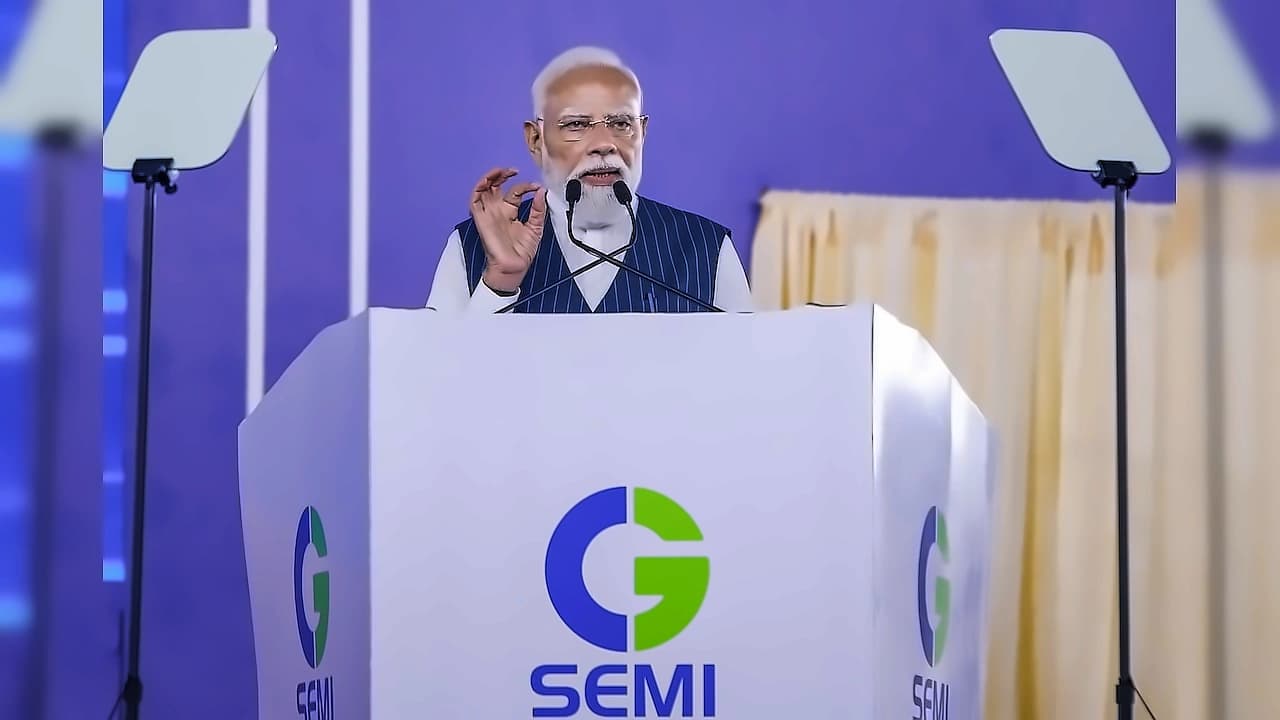
Prime Minister Narendra Modi launched the modified UDAN (Ude Desh ka Aam Nagrik) scheme in Jodhpur, Rajasthan, on Saturday, July 4, 2026, with the scheme now having a financial outlay of nearly ₹29,000 crore over the next 10 years. The updated scheme has an outlay of ₹28,840 crore over the next 10 years and aims to strengthen regional air connectivity by expanding airport infrastructure and supporting operations in underserved areas. The scheme aims to develop 100 existing airstrips across the country into UDAN airports through an investment of ₹12,159 crore for developing new aerodromes. As reported by PIB, the program focuses on developing 100 aerodromes from existing unserved airstrips to expand aviation infrastructure across the country, while also including the development of 200 modern helipads to address accessibility challenges in remote terrains. Additionally, ₹2,577 crore has been earmarked for operations and maintenance (O&M) support to ensure the viability of regional airports during their initial years of operation.
The revamped scheme continues to provide viability gap funding (VGF) support of over ₹10,000 crore for airlines, with the subsidy period proposed to be extended from three years to five years. Of the total ₹29,000 crore outlay, ₹10,043 crore has been allocated towards viability gap funding to sustain regional flight operations. According to The Economic Times, regional airline and helicopter operators have urged the government to provide better access to metro airports and relax operational norms at smaller airports to improve the scheme's viability. The scheme also includes more than ₹2,500 crore for Operations and Maintenance (O&M) support to help regional airports remain operational during their initial years. These projects span multiple sectors, including petrochemicals, urban transport, railways, roads, renewable energy, and power transmission.

Since its launch in 2016, the UDAN scheme has transformed regional air connectivity by linking 95 airports, heliports and water aerodromes, with more than 1.66 crore passengers benefiting from the initiative. As reported by The Economic Times, Civil Aviation Minister Ram Mohan Naidu Kinjarapu stated that "Since 2016, UDAN has transformed the Prime Minister's vision of 'Hawai Chappal se Hawai Jahaz' into a national movement by making air travel affordable, accessible and aspirational for every Indian." The scheme encourages the deployment of indigenous aircraft and helicopters, including HAL's Dhruv and Dornier platforms in underserved regions, strengthening the vision of Aatmanirbhar Bharat by promoting domestic manufacturing in aviation infrastructure.
Airlines continue to face significant infrastructure challenges, with airline executives identifying delays in airport readiness as a major obstacle to launching regional services. According to The Economic Times, several airstrips selected for development into public-use airports have yet to be upgraded because of regulatory hurdles and high compliance costs. Regional airlines also continue to face difficulties in acquiring aircraft, as leasing companies remain cautious about financing smaller operators. The modified scheme strengthens the vision of Aatmanirbhar Bharat by including the procurement of indigenous aircraft and helicopters, including HAL Dhruv and Dornier platforms, to enhance connectivity and operations in underserved regions.