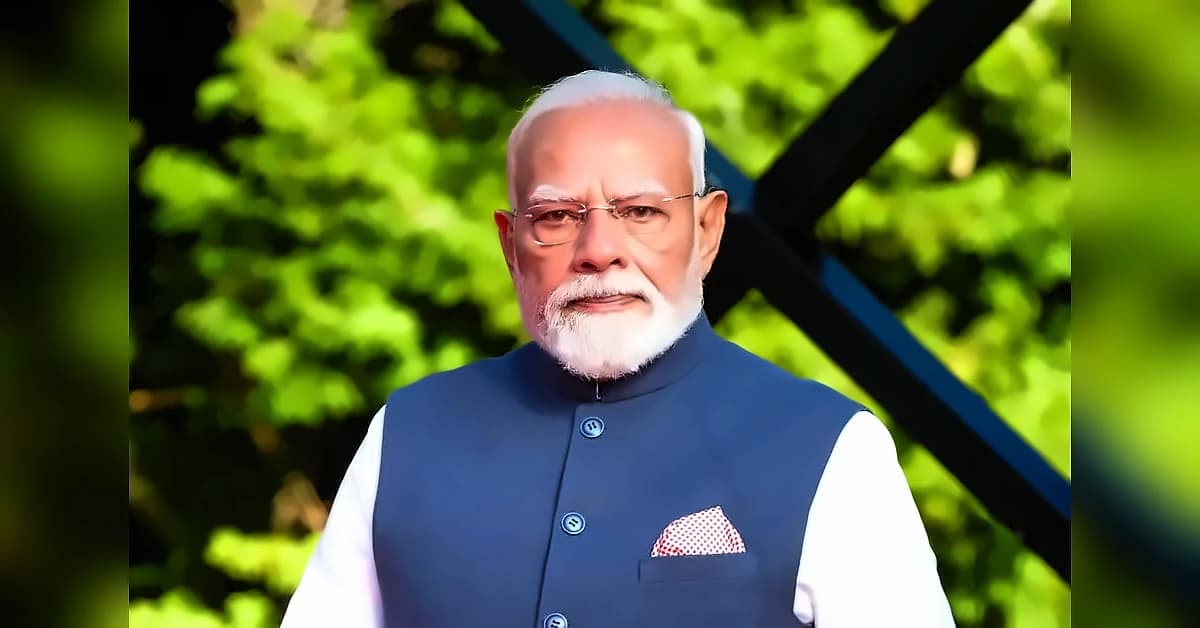
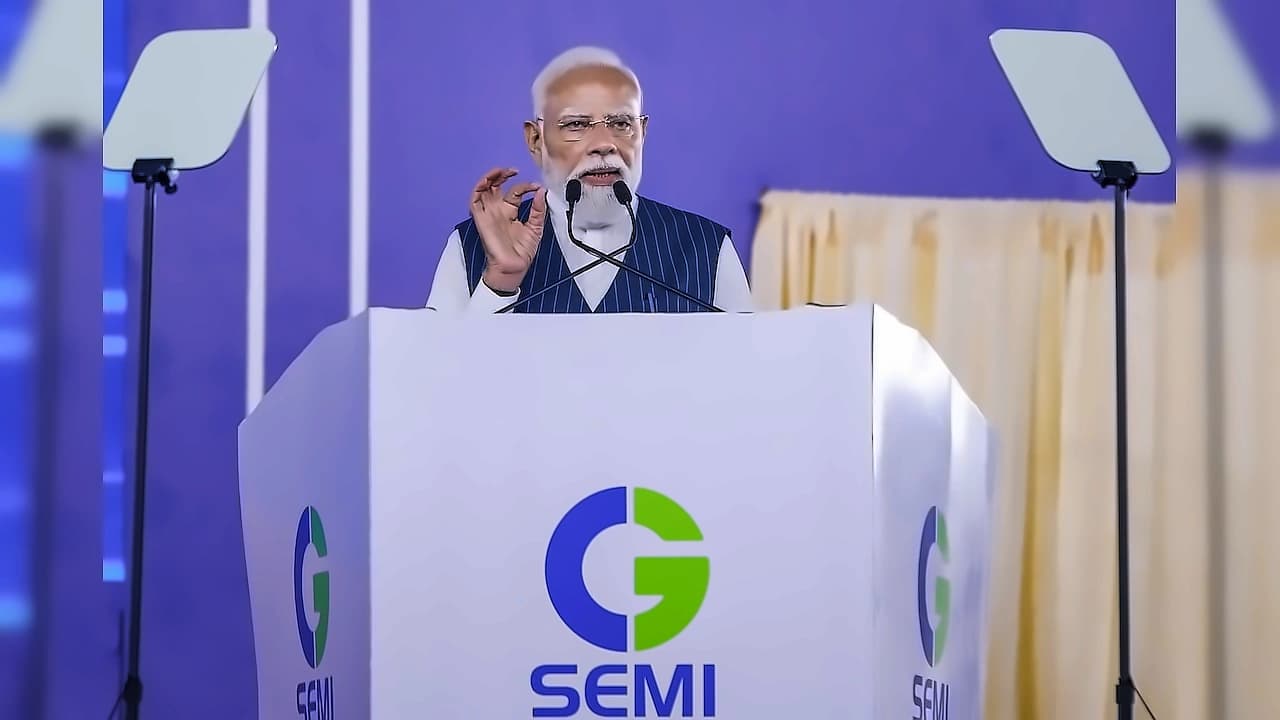
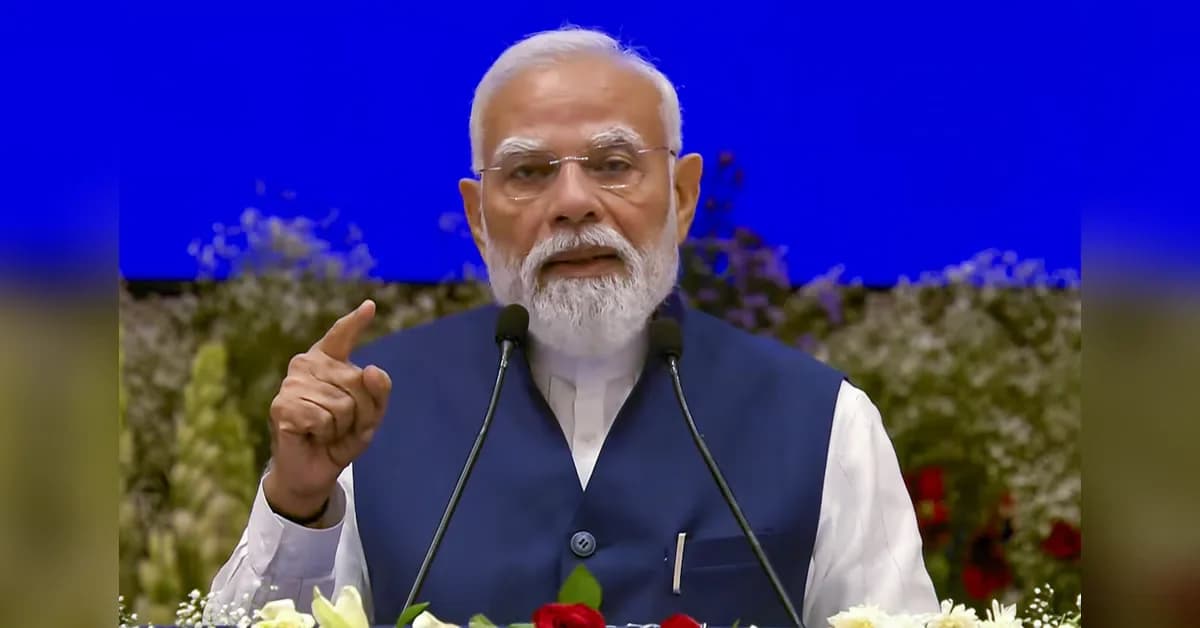
Prime Minister Narendra Modi chaired the 55th PRAGATI meeting at Seva Teerth, reviewing five infrastructure projects worth over ₹78,000 crore across road, power, coal and railway sectors. According to the latest press release from the Press Information Bureau, the meeting focused on addressing implementation bottlenecks and improving delivery of infrastructure projects and welfare schemes. PRAGATI is an ICT-enabled, multi-modal platform that brings together Central and State Governments to promote proactive governance and timely implementation. During the review, the Prime Minister emphasised that delays in infrastructure projects not only lead to cost escalation but also postpone the benefits intended for citizens, businesses and the economy. He called upon the concerned Union Ministries and State Governments to address pending issues with clear accountability and realistic timelines, while ensuring high standards of construction quality.
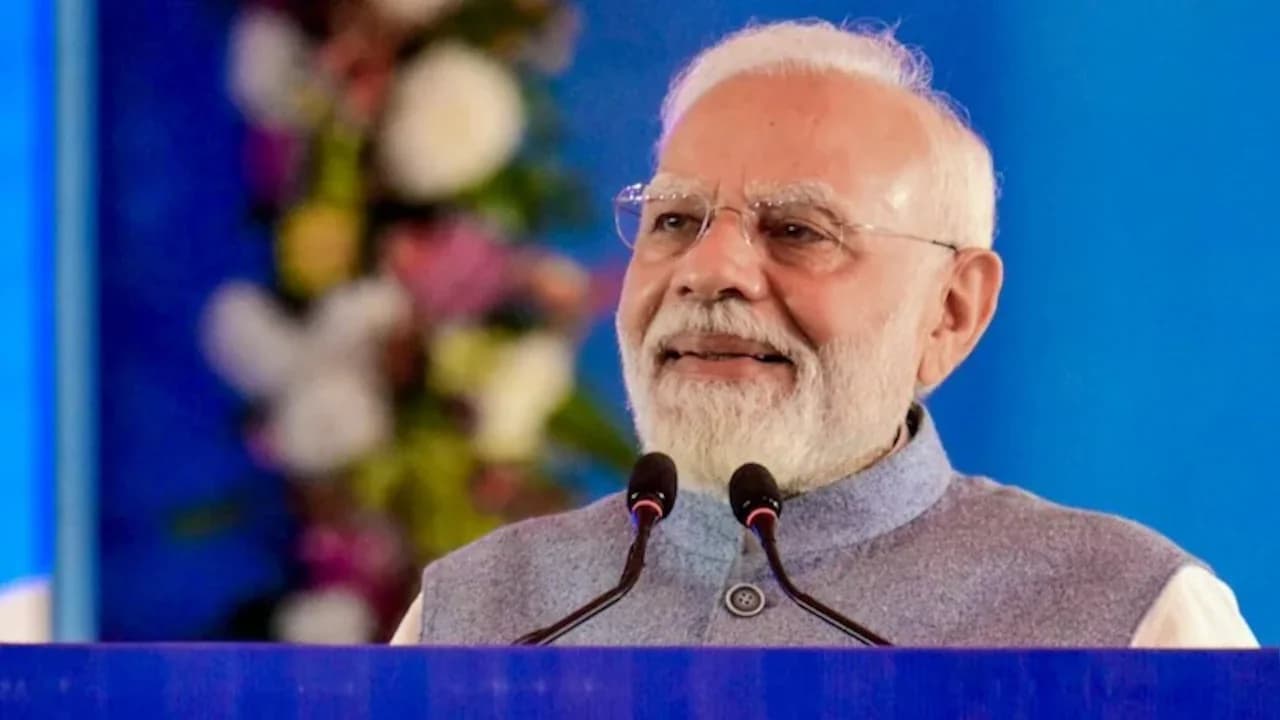
During the road project review, Modi called for expeditious implementation and reiterated the need to focus on outcomes rather than outlays. As reported by the latest press release, during the coal project review, he stressed that rehabilitation and resettlement should be carried out in a timely and dignified manner alongside project implementation. On power projects, the Prime Minister suggested exploring innovative models for decentralised solar and wind power projects, preferably closer to centres of consumption wherever feasible. He said such initiatives should consider local resource availability and demand to ensure reliable and affordable power while easing pressure on transmission infrastructure. The Prime Minister noted that these decentralised models would help reduce transmission losses and improve grid stability.
The Prime Minister also reviewed the Industrial Training Institute (ITI) ecosystem, including the implementation of the Pradhan Mantri Skilling and Employability Transformation through Upgraded ITIs (PM-SETU). According to the latest press release, he called upon chief ministers and chief secretaries to take the lead in strengthening ITIs and increasing industry participation under the PM-SETU initiative. Modi emphasized that this was an opportune time for industries to partner with ITIs, contribute to their upgradation and align training with current and future manpower requirements. He urged stronger collaboration between State Governments, ITIs and industry to improve skill development and employment opportunities for young people, with industry partnerships helping align training programmes with current and emerging workforce requirements.
The Prime Minister asked public sector undertakings (PSUs) to assess their future manpower requirements and strengthen their links with ITIs for training and recruitment in relevant trades. As reported by the latest press release, he encouraged PSUs to support practical training and apprenticeships and give greater attention to recruiting trained ITI graduates. Modi noted that such partnerships would give students industry experience while helping PSUs access a pool of skilled workers suited to their operational requirements. He emphasized that stronger partnerships between ITIs and local employers could expand employment opportunities closer to home, reduce distress-driven migration and enable young people to contribute to the development of their own regions.
The Prime Minister advocated a 'Classroom-Company-Career' (3C) approach to ITI education, which would connect classroom learning with practical industry experience and employment progression. According to the latest press release, he stressed that ITIs and industries should work together to provide students with relevant technical knowledge, exposure to actual working conditions and a clear pathway from training to employment. Modi emphasized that ITI courses, curricula and training capacities should be aligned with the requirements of local industrial clusters and upcoming investments. He noted that skilling programmes should be aligned with industrial clusters and the needs of individual sectors, with ITI trades, curricula and training capacity reflecting existing industries and upcoming investments in each region. The Prime Minister highlighted that stronger links between ITIs and local employers could expand employment opportunities closer to home and help reduce distress-driven migration, while enabling young people to contribute to the economic development of their own regions.