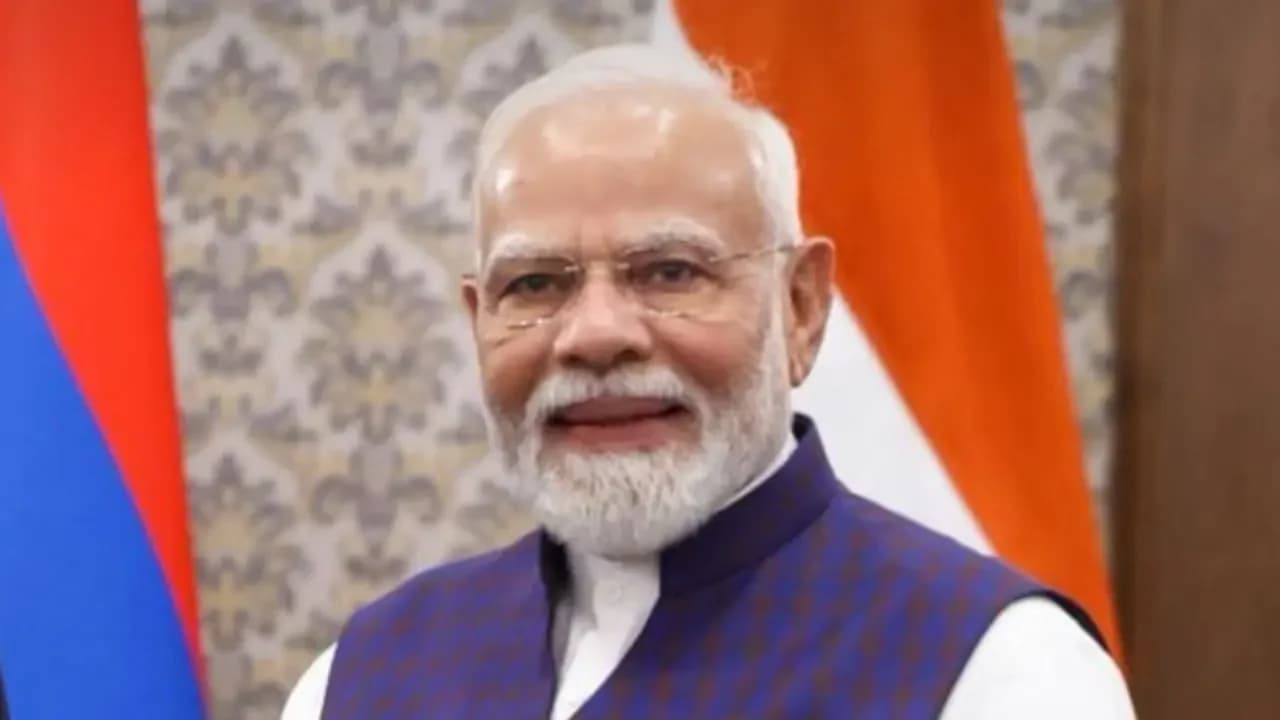
Prime Minister Narendra Modi virtually inaugurated five development projects worth ₹3,350 crore covering airport infrastructure and strategic road connectivity in Ladakh on Thursday. According to reports from The Times of India, these projects represent a significant investment in the region's development and infrastructure capabilities, with the initiatives specifically designed to improve connectivity, strengthen essential services and protect the region's cultural heritage. The virtually arranged launch program was organised across all seven districts of UT Ladakh, with the main programme held at Leh Sindhu Ghat attended by Honourable LG Ladakh V K Saxena along with UT Administration officials, Army dignitaries, social and political representatives and the people at large. "Today, another chapter is being added to Ladakh's progress and development," PM Modi said while inaugurating the projects, emphasizing that "these projects will make travel easier for many people, improve electricity facilities in some areas, increase water availability in others, and strengthen the preservation of our ancient heritage."
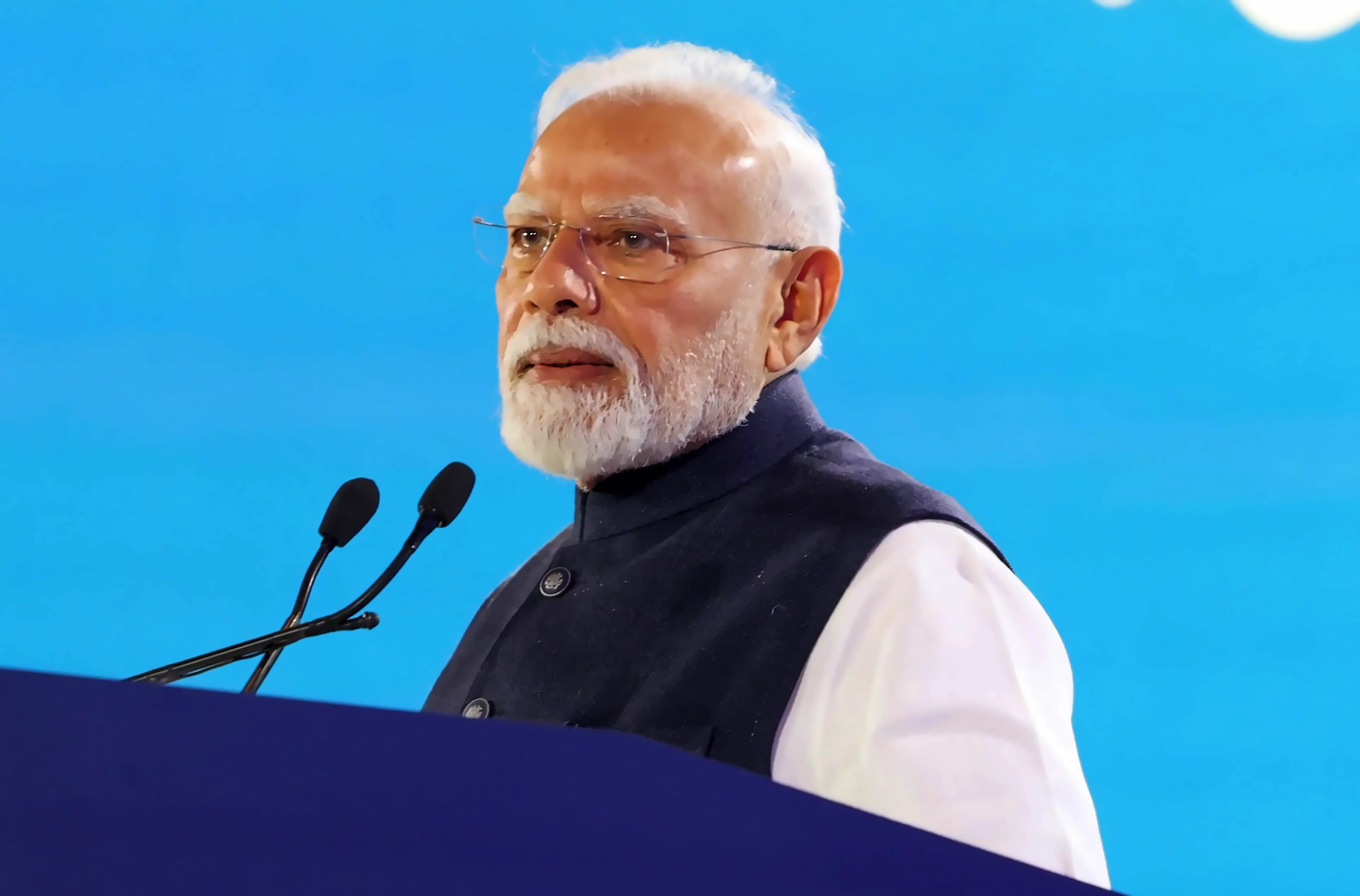
The projects include a new passenger terminal at Kushok Bakula Rimpochee Airport in Leh, built for ₹640 crore. As reported by The Times of India, the modern terminal spans 23,800 square metres and is designed to handle 35 lakh passengers annually, with its capacity expected to rise from around 10 lakh passengers a year to accommodate growing demand from tourists and other travellers. Modi highlighted that the terminal would increase the number of flights threefold and give fresh impetus to tourism, describing it as India's first airport terminal to use geothermal heating. The terminal incorporates geothermal energy to improve energy efficiency and reduce its carbon footprint, an important consideration in Ladakh's ecologically sensitive environment. Combining modern passenger amenities with elements of Ladakh's cultural heritage, the terminal is expected to improve passenger convenience and strengthen air connectivity with the rest of the country.
Modi dedicated the 298-km-long Nimmu-Padum-Darcha Road, constructed by the Border Roads Organisation (BRO) at a cost of approximately ₹2,500 crore. According to The Times of India, this road connects Nimmu in Leh with Darcha in Himachal Pradesh through the remote Zanskar Valley, providing an alternative connectivity corridor to Ladakh. The road crosses challenging Himalayan terrain, including the high-altitude Shinkun La Pass, and provides an alternative route to Ladakh, supplementing the Srinagar-Leh and Manali-Leh highways. Its strategic importance lies in improving the movement of personnel and supplies for the armed forces, while also benefiting residents of Zanskar by improving access to healthcare, education, markets and other essential services. The road is expected to reduce travel time by around nine hours and provide a boost to trade and connectivity, with improved connectivity facilitating movement of people and goods while strengthening commercial activities in the region.
As part of efforts to strengthen energy security and harness Ladakh's renewable energy potential, Modi inaugurated the 9 MW Hanu small hydroelectric project and the 66 kV double-circuit Dah-Hanu-Khaltsi transmission line. As reported by The Times of India, these projects will strengthen power evacuation infrastructure and improve the reliability of Ladakh's electricity network, marking a step towards harnessing the region's hydropower resources. Modi dedicated the Hanu hydroelectric project along with its associated transmission network, highlighting the importance of reliable electricity for households, healthcare facilities, educational institutions and local enterprises. The projects are expected to strengthen power evacuation infrastructure and improve the reliability of the region's electricity network, supporting the use of Ladakh's hydropower resources and aligning with the objectives of Mission Amrit Sarovar.
Recognising the importance of preserving Ladakh's ancient archaeological heritage, Modi inaugurated India's first Petroglyph Conservation Park at Sindhu Ghat in Leh. According to The Times of India, Ladakh is home to hundreds of prehistoric rock art sites featuring carvings of wildlife, human figures and symbolic representations, with the park intended to protect these vulnerable archaeological remains, raise awareness and encourage responsible heritage tourism. The conservation park is aimed at preserving this heritage for future generations, offering insights into thousands of years of human history. Emphasising water security and agricultural needs in the high-altitude region, the Prime Minister dedicated 40 newly constructed reservoirs under Project Amrit Him Sarovar. "These will help in providing water for irrigation to farmers at the time of need," he said, highlighting the role of water conservation infrastructure in supporting agriculture and rural livelihoods. Agriculture in Ladakh faces a seasonal mismatch between water availability and demand, with farmers often experiencing shortages during the crucial sowing season, even though snowmelt and glacial runoff provide substantial water resources at other times of the year. Project Amrit Him Sarovar aims to conserve water when it is available and make it accessible when needed, supporting irrigation, sustaining agricultural livelihoods and strengthening long-term water security in the region.
Addressing the gathering through video conferencing, Modi highlighted the remarkable transformation in Ladakh's infrastructure since it became a Union Territory in 2019. As reported by The Times of India, the road network had expanded from around 1,800 km in 2019 to 4,000 km, with the number of major bridges increasing from 19 to 75 and helipads rising from seven to 40. The Prime Minister also noted that piped water coverage had increased from around 3.5% of households to 99%, demonstrating the Centre's commitment to making Ladakh's development a priority. Modi emphasized the government's efforts to promote winter and adventure tourism to expand economic opportunities, with the number of homestays in Ladakh increasing from around 150 to 3,000. Reviewing infrastructure development in the region, PM Modi said the projects would improve access to essential services and create new economic opportunities for the people of Ladakh, with the initiatives expected to strengthen the region's connectivity, energy security, water availability and cultural preservation capabilities.