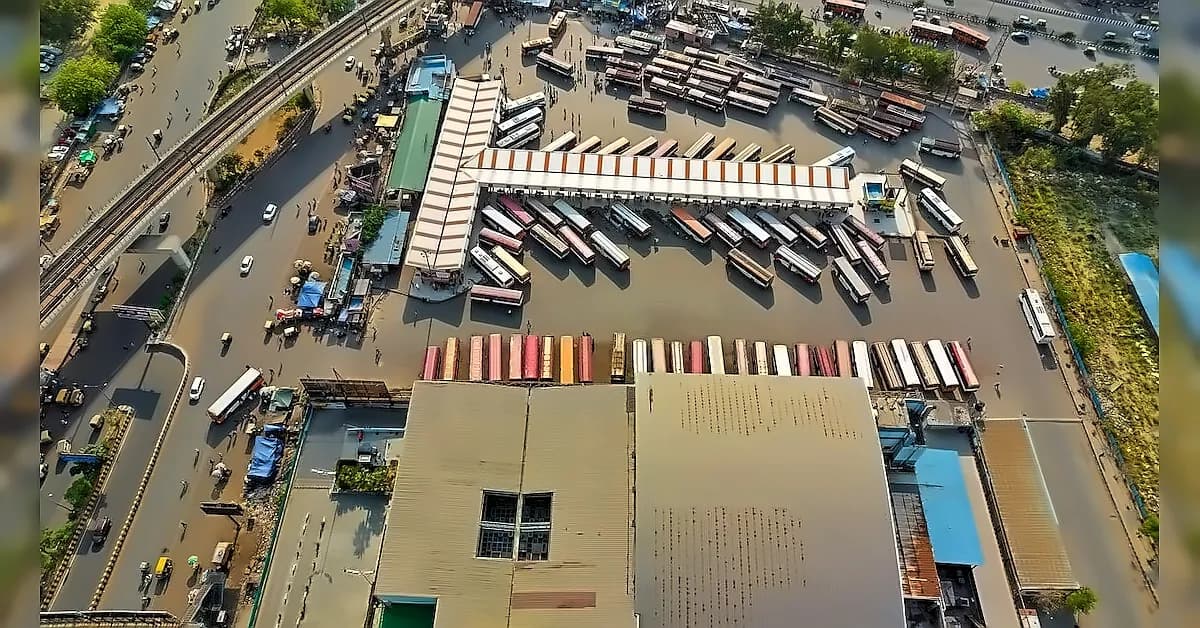
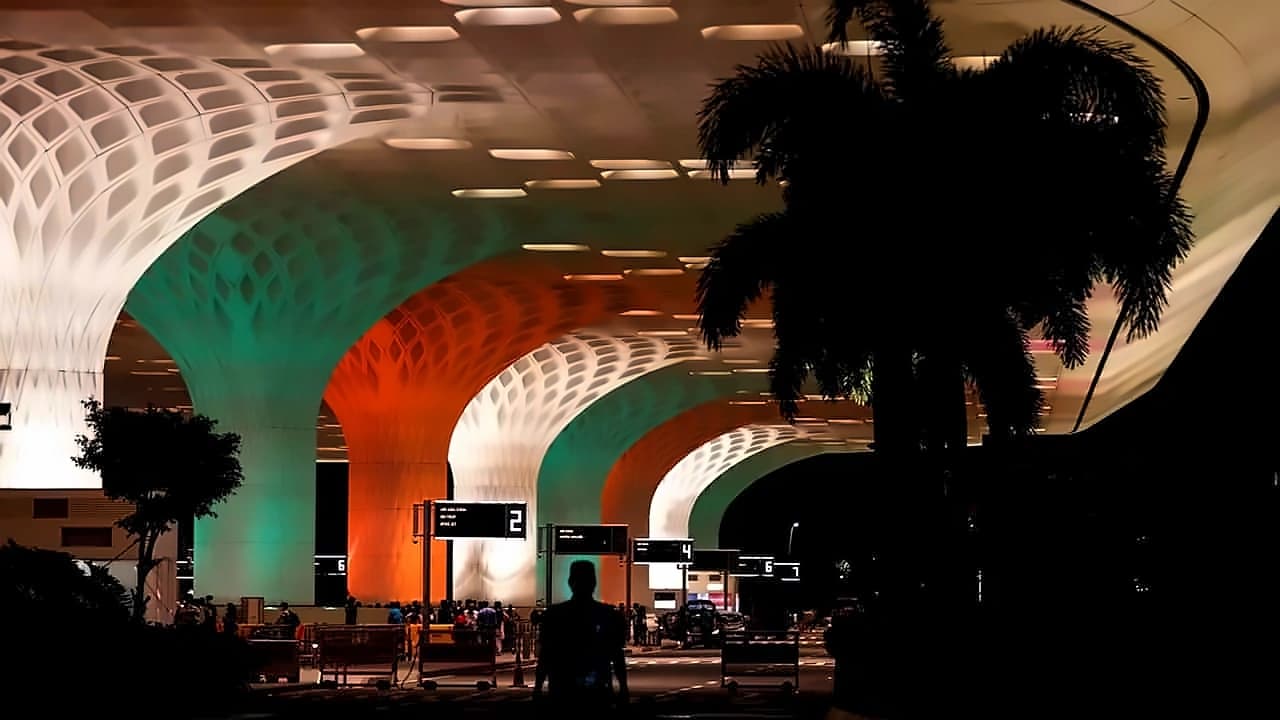
The parliamentary standing committee on transport, tourism and culture has proposed a comprehensive airport-style overhaul of India's bus transport system, including establishing a National Bus Terminals Authority to develop, standardise and manage terminals across the country. According to the committee's report tabled in the Rajya Sabha on Tuesday, this authority would establish common infrastructure and management standards while enabling systematic access for both public and private operators. Drawing a parallel with aviation, the committee noted that airlines do not build or own the airports they operate from, but pay for access to terminal infrastructure, proposing a similar separation between terminal management and bus operations.
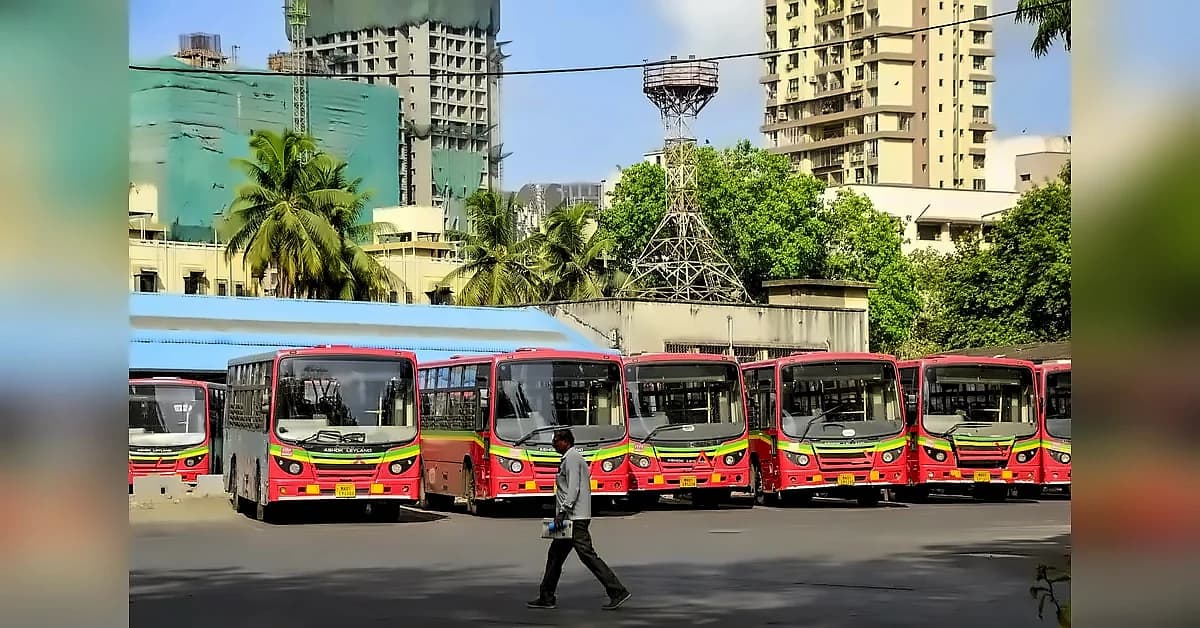
The parliamentary standing committee on transport, tourism and culture has recommended that the road transport and highways ministry dedicate a fourth of its road budget allocation to public transport infrastructure. According to reports from Business Standard, the committee's recommendations in its statement focused on enhancing bus transport in the country. The panel, headed by Rajya Sabha Member of Parliament Sanjay Kumar Jha, made these recommendations during its Tuesday meeting. The committee emphasized that bus transport must move towards next-generation mobility with more user-friendly services, while addressing gaps in terminal infrastructure, regulatory access, digital integration and passenger safety.
The committee recommended establishing a National Bus Terminals Authority to separate terminal ownership from bus operation as settled national policy. According to the latest reports, this would constitute a dedicated terminals authority on the Airports Authority model and circulate a non-discriminatory access framework on the Kashmere Gate template. The authority would establish common infrastructure and management standards while enabling systematic access for both public and private operators. The committee also recommended framing a National Code for Bus Terminals within one year and notifying interoperability standards for a National Bus Digital Grid within the same timeframe.
The committee addressed the critical issue of private operators being frequently denied entry to state-owned terminals, which are controlled by State Road Transport Undertakings (SRTUs) that also operate bus services and compete with private players. Private operators told the committee that access can be restricted even when terminal capacity is available, besides inconveniencing passengers and depriving government-owned terminals of potential revenue from entry fees. The panel therefore proposed a non-discriminatory access framework under which private operators could use government terminals by paying a fee, citing Delhi's Kashmere Gate ISBT as an existing example where private buses are charged for entry.
The committee has proposed a National Bus Digital Grid to enable live tracking and unified ticket booking across public and private bus operators, calling for interoperability standards and a public live-tracking layer aligned with Indian Railways specifications. The proposed ecosystem could include a moderated crowdsourced rating system linked to permit databases and a GIS-based network atlas using vehicle-tracking and toll data. On safety, the committee recommended completing the network of Automated Testing Stations on a district-wise basis and proposed published safety ratings for bus operators based on accident history, enforcement records and passenger feedback. The panel also called for a Fleet Transition Compact that would separate vehicle ownership from operations, including leasing models and bulk procurement of electric buses.