A high-level government panel on non-financial regulatory reforms has recommended replacing India's item-wise airport tariff regime with a simplified three-category framework, according to people familiar with the development. The panel, headed by NITI Aayog full-time member Rajiv Gauba, concluded that the current tariff regime is too rigid and limits airports' ability to use pricing incentives to attract airlines. The recommendation is part of a broader push to simplify regulations, speed up infrastructure approvals and improve the ease of doing business across industries, including aviation. As per MoneyControl reports, the panel's logic is that the existing framework is too rigid for airports to use pricing as a competitive tool, whether it is discounting for high-volume routes, seasonal pricing, or incentives to lure new airlines.
At the heart of the proposal is a simpler tariff-setting framework where the Airports Economic Regulatory Authority (AERA) would regulate three broad tariff categories--landing and parking charges, User Development Fee (UDF), and other airport service charges. Currently, the Airports Economic Regulatory Authority (AERA) signs off on individual tariffs for nearly every airport service such as landing fees, parking charges, User Development Fee (UDF), aerobridge charges, and more. The panel believes the current tariff regime is too prescriptive, leaving airports with little flexibility to offer route incentives, volume discounts or seasonal pricing to attract passengers. The committee's report pointed to airports such as UK's Heathrow and Ireland's Dublin, which operate under revenue-cap models that allow operators to decide how charges are structured within an overall regulatory ceiling.
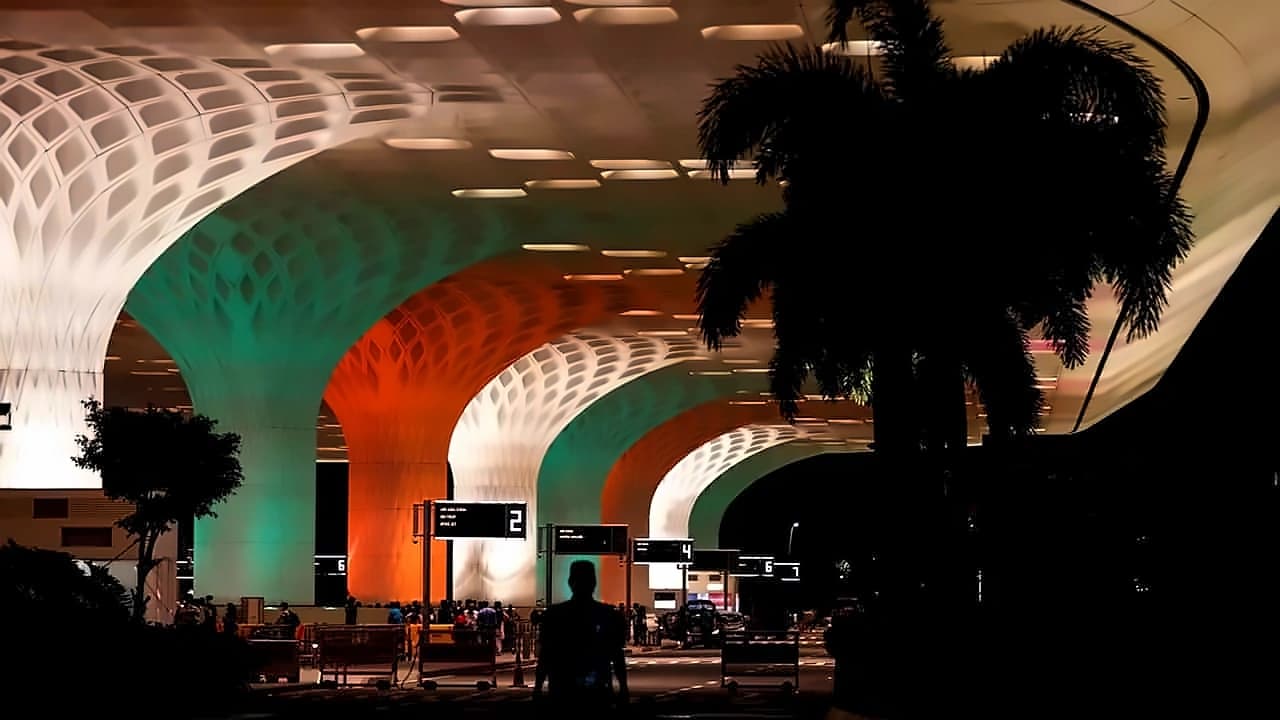
The committee has proposed significant simplification of airport infrastructure approvals, including replacing the existing approval process for commercial floor plans inside airport terminals with a self-certification regime. Currently, airport operators are required to obtain Bureau of Civil Aviation Security (BCAS) approval whenever a retail outlet, restaurant, lounge, or commercial space is added or modified within the terminal. The committee observed that this results in unnecessary delays even though overall airport security remains the responsibility of the airport operator. According to MoneyControl reports, the panel's reasoning is that airport operators already carry ultimate responsibility for security, so a mandatory sign-off for every minor terminal change just slows things down without adding real safety value, provided prescribed standards are still met.
To improve operational efficiency, the committee has recommended allowing airlines with self-ground-handling capability to provide ground-handling services to other airlines at airports where at least two other such agencies operate. The move is expected to boost competition, reduce operating costs and improve utilisation of airport infrastructure. The report also recommends extending the validity of the Foreign Aircrew Temporary Authorisation (FATA) from one year to two years to reduce the need for repeated regulatory approvals and help airlines address pilot shortages. The committee has also proposed full automation of rule-based approvals and letting Height NOCs auto-renew for up to 12 years as long as airport conditions don't change, which is said to spare real estate developers years of appeals and uncertainty.
In the drone sector, the panel has proposed auto-certification for low-risk drones weighing up to 30 kg, subject to testing by authorised agencies. The recommendation aims to reduce approval timelines and support the growth of India's domestic drone manufacturing industry. The committee has also prescribed a timeline for implementation of each recommendation, ensuring systematic rollout of these regulatory changes across the aviation sector. As per MoneyControl reports, if true, this is likely to cut down on approval timelines and support the growth of India's domestic drone manufacturing industry.