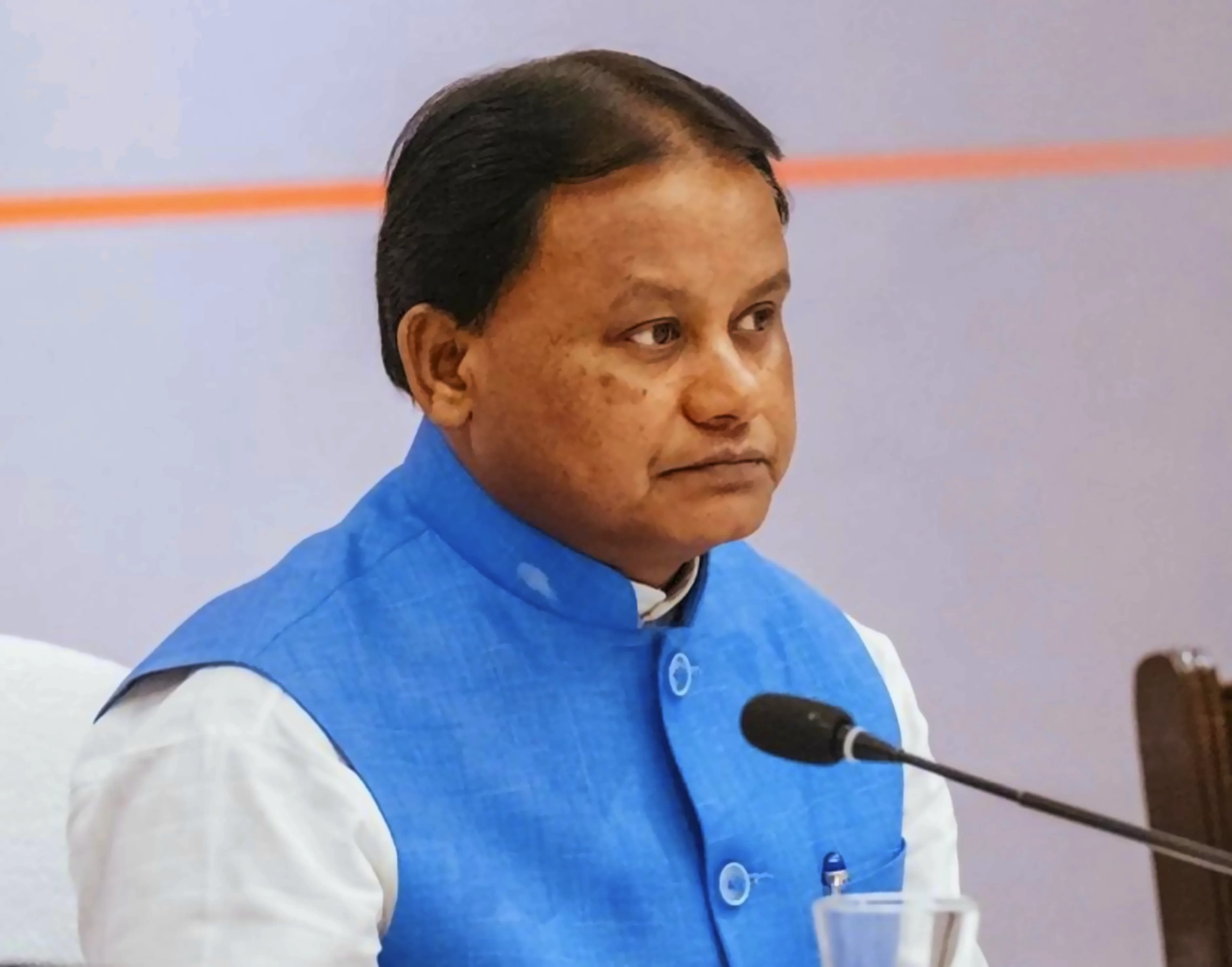
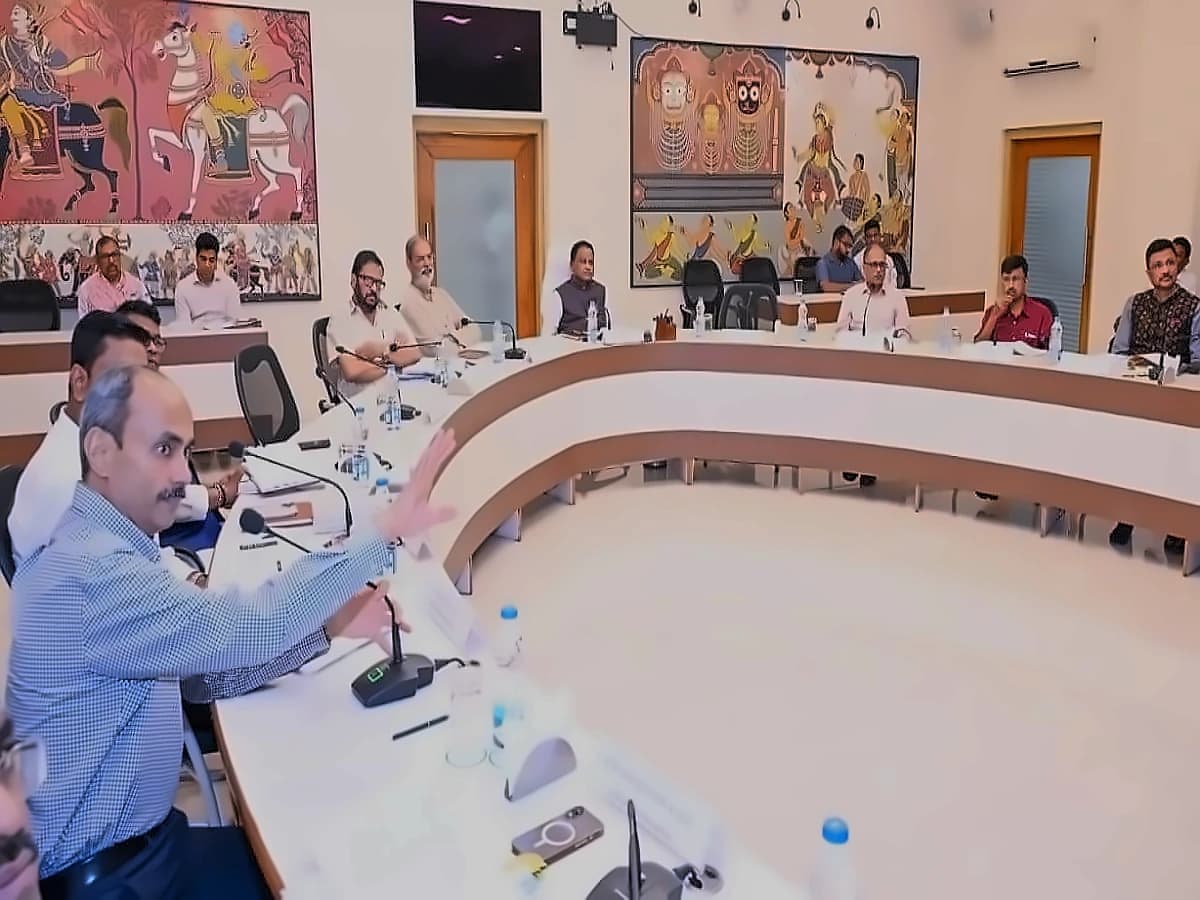
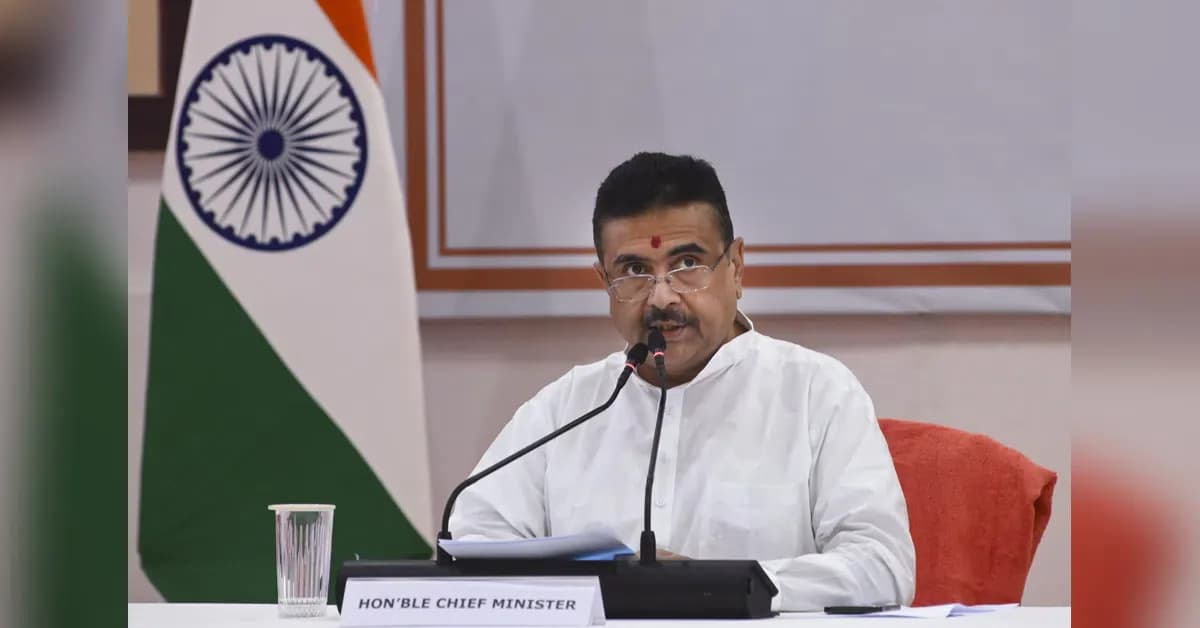
The Odisha Cabinet, chaired by Chief Minister Mohan Charan Majhi, approved a proposal to amend the Odisha Development Authorities (ODA) Act, 1982, paving the way for the establishment of Economic Region Development Authorities (ERDAs). According to reports from Business Standard, the proposed Odisha Development Authorities (Amendment) Bill, 2026, moved by the Housing and Urban Development Department, aims to create a comprehensive statutory framework for constituting, empowering and governing ERDAs. The reform will facilitate integrated planning across multiple urban local bodies and districts, enabling city agglomerations to function as unified economic regions rather than isolated municipal jurisdictions.
Bhubaneswar-Cuttack-Puri-Paradeep Economic Region (BKPPER) has been identified as the pilot project for the new institutional framework, with ambitious economic targets. As reported by Business Standard, BKPPER is a flagship economic and infrastructure plan launched in February this year, backed by NITI Aayog, targeting to scale the regional economy from $22.4 billion to $500 billion by 2047 across an 11,892 sq km zone. Chief Secretary Anu Garg confirmed that an economic plan has already been prepared for the BKPPER region in collaboration with NITI Aayog, making it the first region to be formally constituted under the new ERDA structure. The region combines the state capital, major urban centres, the Paradip port, industrial hubs, logistics infrastructure, and important religious and cultural destinations into a single economic geography.

Over 80 designated projects spanning metals downstream, information technology (IT), biotechnology, textiles, chemicals, health tech and tourism have been planned in the BKPPER region, backed by an initial ₹5,000 crore commitment from the central government under the new City Economic Regions (CER) framework. According to Business Standard, the projects are supported by more than 30 policy interventions to facilitate comprehensive development. The Odisha government has allocated ₹320 crore under the Samruddha Sahara scheme in the 2026-27 Budget for focused planning and new city development in BKPPER and other major regions such as Sambalpur and Brahmapur, adding to the earlier ₹1,342 crore allocation for Bhubaneswar new city.
Odisha has identified several potential economic regions including Bargarh-Jharsuguda-Sambalpur, Berhampur-Chhatrapur-Gopalpur and Jeypore-Koraput-Sunabeda agglomerations. As reported by Business Standard, other economic regions will be notified by the government in a phased manner. Region-specific economic plans and master plans have been proposed for these urban clusters to facilitate planning beyond municipal boundaries, leverage the complementary strengths of constituent cities, attract investment, generate employment, and improve housing, mobility, public services and overall quality of life. Chief Secretary Anu Garg emphasized that "While multiple development authorities currently function within different urban areas, there is no overarching statutory institution to coordinate planning and implementation across an entire economic region. The proposed ERDAs will help bridge this gap by providing seamless coordination among various development authorities operating within a region."
The amendment proposes to add new definitions for 'economic region' and 'economic region development authority' to the ODA Act and insert an entirely new Chapter IIA. According to Business Standard, this new chapter will empower the state government to notify and constitute ERDAs for future economic regions without requiring a fresh legislative amendment each time. In the Union Budget 2026–27, four city economic regions have been identified as engines of economic growth, with BKPPER being one of them, alongside Varanasi, Surat and Visakhapatnam. Chief Secretary Anu Garg noted that "This will establish a durable and scalable legal framework capable of supporting the state's long-term urban and industrial expansion" once the amendment is approved by the Odisha Legislative Assembly.