NTPC is positioned for significant profit growth with projected revenue of ₹50,340 crore for Q2, representing a 12% year-on-year increase, while adjusted profit after tax could rise 66% to approximately ₹5,878 crore. According to EQ - The Leading Solar Magazine, the company's generation is expected to grow around 11%, supported by stronger electricity demand and increased utilisation of coal-based power stations. This strong performance follows NTPC's already impressive Q1 results, where the company reported standalone profit after tax of ₹5,342 crore (12% YoY increase) and consolidated profit of ₹6,896 crore (13% YoY rise). The coal-based stations recorded a plant load factor of 76.71% during Q1, reflecting high utilisation of thermal generation assets.
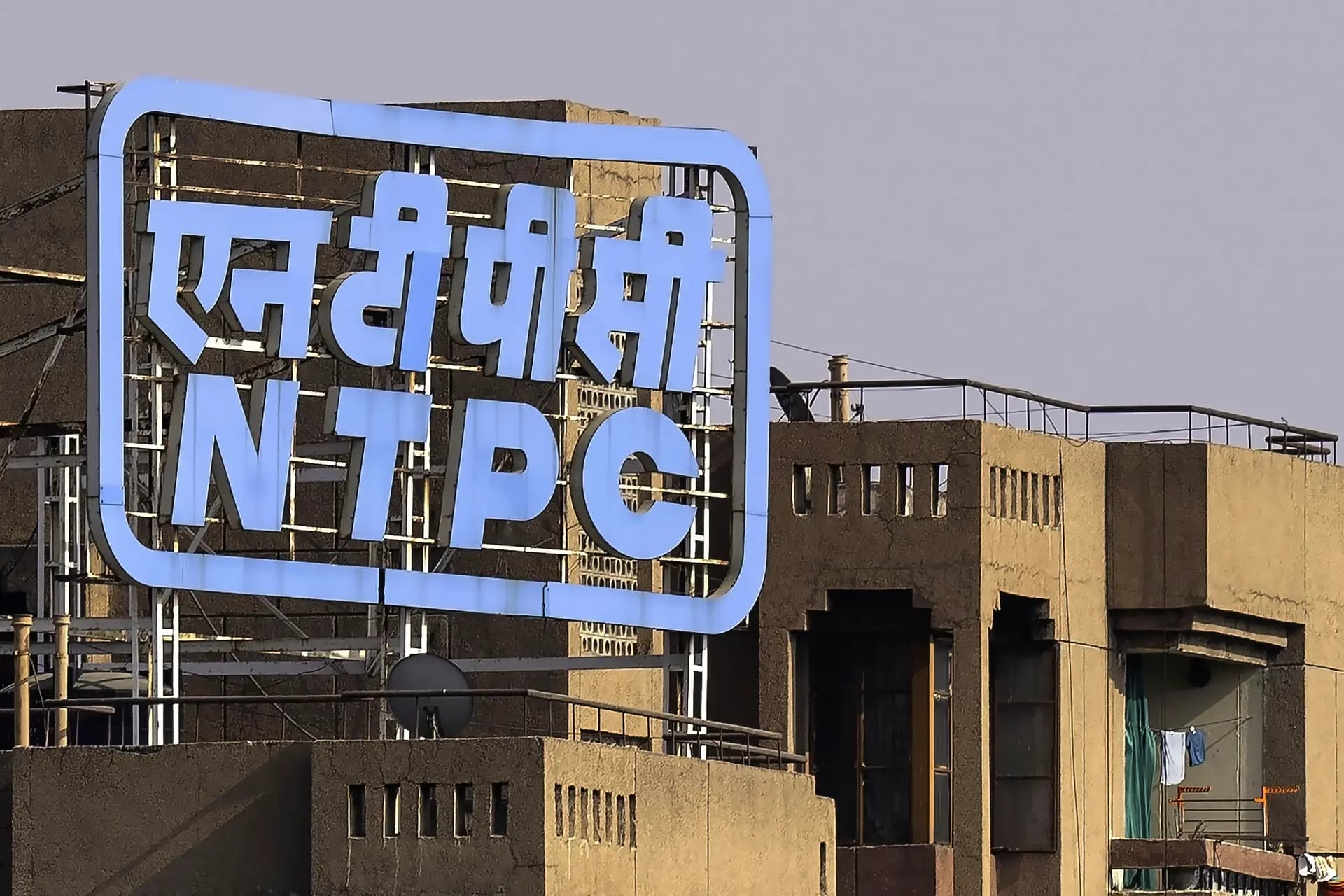
Kerala State Electricity Board (KSEB), NTPC, and NTPC Green Energy Ltd (NGEL) have signed a Memorandum of Understanding (MoU) to develop a 2,000 MWh Battery Energy Storage System (BESS) at Kayamkulam, as announced by Chief Minister VD Satheesan after meeting with NTPC CMD Gurdeep Singh in Delhi. The Kayamkulam BESS will store 500 MW capacity for four hours, effectively storing 2,000 MWh of electricity to help stabilise the state's power supply and integrate more renewable energy. This project represents a significant step in Kerala's clean energy transformation, with the BESS designed to store extra solar and wind power when demand is low and release it during evening peaks when demand is high, potentially reducing reliance on costly power purchases during shortages.
NTPC Vidyut Vyapar Nigam (NVVN), a wholly-owned subsidiary of NTPC, is planning to begin commercial operations for a 500 MWh battery energy storage capacity soon, according to CEO Somes Bandyopadhyay. Speaking to reporters on the sidelines of the 18th India Coal Summit organised by the Indian Chamber of Commerce, Bandyopadhyay announced the company's immediate plans to put the 500 MWh BESS in commercial operation. The company has also set a target to commission a further 500 MWh by this financial year.
Bandyopadhyay revealed that the government has provided NVVN with a scheme for 3,000 MWh of battery energy storage capacity. As reported by Business Standard, the CEO stated that through this scheme, the company is engaged in battery energy storage through different modes. The Kayamkulam BESS is allocated to central public sector units like NTPC and NHPC under a scheme with viability gap funding (VGF), which typically means part of the capital cost is subsidised to make the project financially viable. This regulatory support is expected to reduce the burden on KSEB's balance sheet and keep the eventual tariff competitive.
According to the report, NTPC Vidyut Vyapar Nigam is actively engaged in the development of large-scale Battery Energy Storage Systems across the country. The company's focus on this infrastructure is designed to help utilities manage peak power demand and integrate renewable energy into the grid. Beyond the major projects, Kerala is also moving on smaller storage initiatives, with two 80 MWh BESS units each at Pothencode and Sreekandapuram scheduled to be commissioned by March 2027. These smaller systems can help stabilise local grids, support renewable integration in specific regions and act as a test bed for operational practices before the larger Kayamkulam system comes fully online.
As reported by Business Standard, Battery Energy Storage Systems can play a vital role in meeting peak electricity demand and ensuring grid reliability. The systems are designed to store electricity during periods of low demand or high renewable energy generation and supply it during periods of peak demand. The Kayamkulam BESS specifically addresses intermittency challenges of renewable energy sources while maintaining grid stability and reliability. This technology enables utilities like KSEB to manage power procurement costs more efficiently, potentially lowering the average cost per unit over time by using stored energy instead of buying costly short-term power during evening peaks.