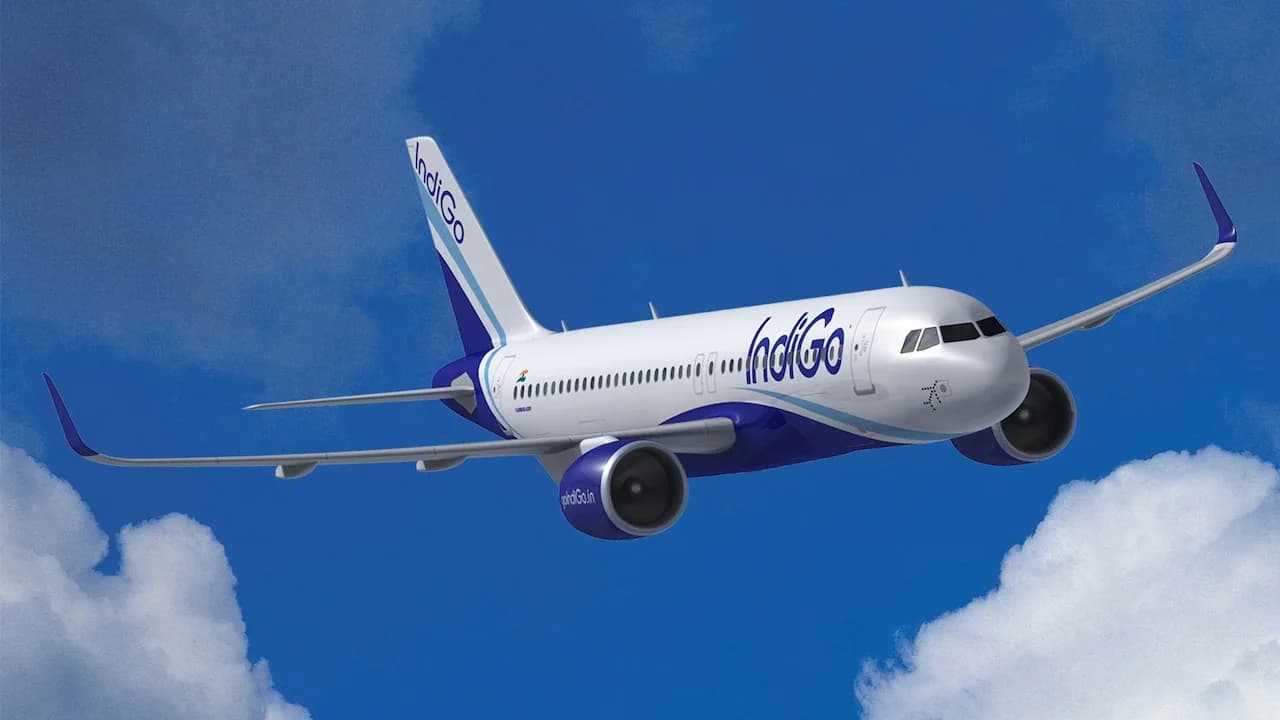
Commercial flight operations from Noida International Airport in Jewar commenced on June 15, 2026, with the first flight carrying farmers onboard. As reported by Times of India, the inaugural flight operated on the Lucknow-Noida-Bengaluru-Noida-Lucknow sector, with flight 6E 2278 departing from Chaudhary Charan Singh International Airport, Lucknow at 7:05 am and arriving at the Jewar airport at 8:05 am before departing for Bengaluru at 8:35 am and landing there at 11:05 am. The first regular commercial service thereafter operated to Bengaluru. According to latest reports, IndiGo will operate the highest number of flights during the initial phase and is likely to develop parallel domestic and international networks from the new airport. Akasa Air, which had earlier announced plans to station aircraft at Jewar, is also expected to begin both domestic and international operations from the airport, while Air India Express is expected to join the network shortly after the launch.
Jewar's Noida International Airport achieved another significant milestone on Wednesday with its first cargo flight on a domestic route, marking another key step in its growth as an aviation and cargo hub for northern India. The airport is set to cater domestic, international and express cargo, while direct truck access through the Yamuna Expressway is expected to facilitate faster movement of goods. According to The Times of India, Noida International Airport has said that its future ready infrastructure is "Designed for reliable, connected, and efficient cargo operations from the heart of North India." The cargo facilities have been developed by Air India SATS (AISATS) and feature an initial handling capacity of 200,000 metric tonnes annually, with plans to expand this to 1.5 million tonnes.
The airport will initially operate around six flights a day to a limited number of destinations on June 15, as announced by airport authorities. From July onwards, operations will be scaled up significantly with flights planned to more than 20 destinations. Airport officials said the network will continue to expand through the year, while international flight operations are expected to begin by the end of 2026. According to Times Now, Noida International Airport CEO Nitu Samra confirmed that the airport will initially connect four destinations from June 15, operating six departures and a total of 12 flights. Following the launch, the airport expects to serve around 18 to 20 destinations by July in collaboration with IndiGo and Akasa Air. The airline has announced plans to gradually introduce direct flights connecting Noida International Airport to more than 16 destinations across the country, including metro cities such as Bengaluru and Hyderabad, besides tier-2 and tier-3 cities like Amritsar, Chandigarh, Dharamsala, Jaipur, Lucknow, Navi Mumbai, Pantnagar and Srinagar.

The airport has successfully conducted a full-scale aircraft turnaround trial on June 9, 2026, as part of its operational readiness, activation and transition (ORAT) programme ahead of commercial operations. According to Noida International Airport, the trial was conducted in collaboration with IndiGo and key airport partners to simulate a complete aircraft turnaround process on the airside. The exercise tested coordination between various systems, processes and stakeholders, including critical airport infrastructure such as visual docking guidance systems (VDGS), passenger boarding bridges and ground power systems. The trial also covered integrated baggage handling, cargo operations, in-flight catering and other ground handling activities, while refuelling scenarios were evaluated as part of operational preparedness. Re-validation of the Instrument Landing System (ILS) and Required Navigation Performance (RNP) approach procedures was also carried out during the exercise, with the airport stating that the turnaround trial was part of a series of advanced ORAT exercises aimed at ensuring seamless coordination across operational interfaces before the start of commercial operations.
The airport, located in Gautam Buddh Nagar district within the Yamuna Expressway Industrial Development Authority area, is considered one of the Uttar Pradesh government's flagship infrastructure projects. According to Business Standard, the airport's first phase is complete with a capacity to handle 12 million passengers annually. The facility includes a runway, an integrated terminal building and an air traffic control tower. The airport received its aerodrome licence from the Directorate General of Civil Aviation on March 6, 2026 and recently received approval for its Aerodrome Security Programme from the Bureau of Civil Aviation Security, clearing a key regulatory requirement before the commencement of commercial services. The launch comes nearly three months after Prime Minister Narendra Modi inaugurated the airport on March 28. Bookings for the flights are being opened in phases through IndiGo's website, mobile application and authorised travel partners. The cargo facility includes 22,000 square metres of warehouse space and two dedicated freighter bays that will support round-the-clock operations, powered by systems such as COSYS+, e-Acceptance and cargo community platforms to enable real-time tracking and improve operational efficiency.
Speaking about the airport's launch plans and future growth, Noida International Airport CEO Nitu Samra emphasized the facility's strategic positioning in northern India's aviation sector. According to Times Now, Samra noted that the airport benefits from a strong catchment area that includes Ghaziabad, Faridabad, Noida, Greater Noida, Agra, and large parts of western Uttar Pradesh. Addressing market challenges, Samra said the aviation industry is facing short-term headwinds but remains confident about long-term demand for Noida Airport. She highlighted that the airport's charges remain competitive when compared with other greenfield airports, combined with efficient operations and strong passenger experience. On passenger access and last-mile connectivity, Samra dismissed concerns about transportation challenges, stating that multiple transport options will be available including app-based taxi services and bus connectivity for passengers across all budget categories. The airport's technology-focused design emphasizes sustainability and seamless passenger experience, with facilities and services expected to continue improving as operations expand.