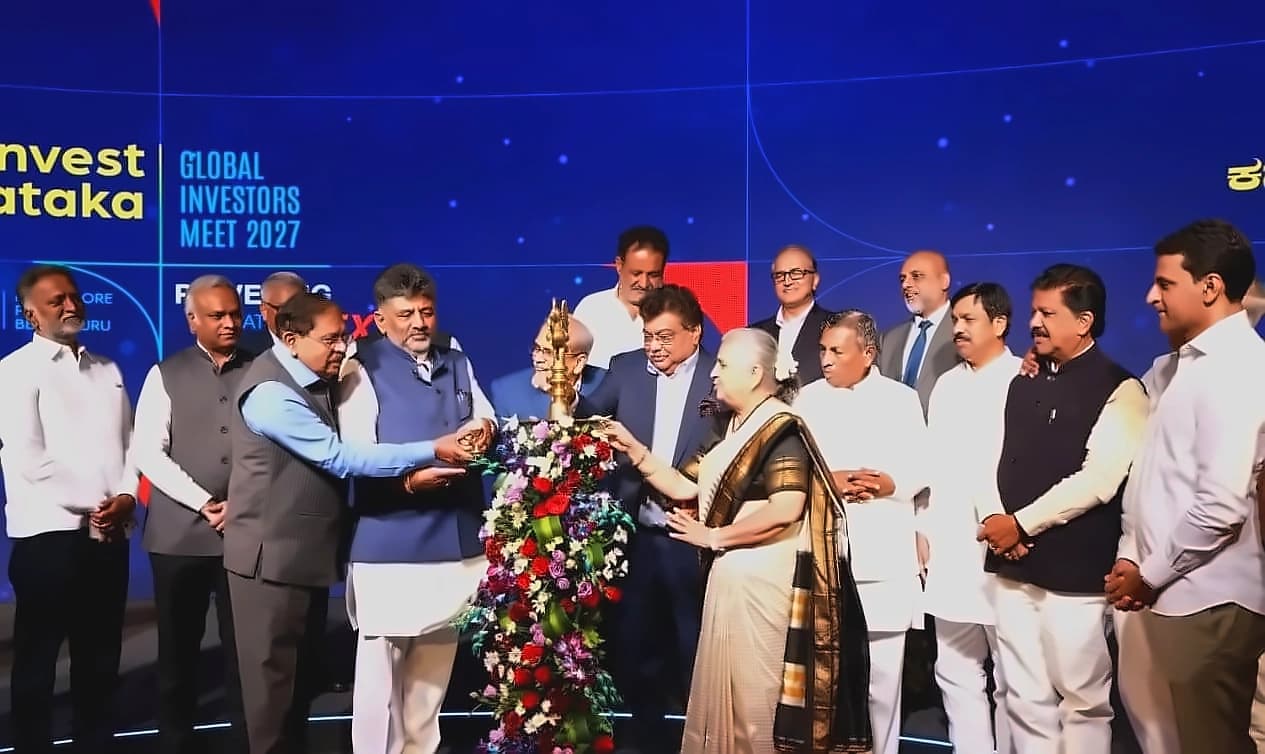
Karnataka is planning to adopt several Japanese models and practices in urban transport, waste management, infrastructure development and manufacturing following Chief Minister DK Shivakumar's recent three-day visit to Japan. According to reports from ANI, the state government will examine the feasibility of implementing these models to improve urban infrastructure, attract foreign investments and generate employment opportunities. Addressing a press conference at Vidhana Soudha's 'Sangam' conference hall on Saturday, Shivakumar said Japan had considerable expertise in urban planning, public transportation, industrial development and waste disposal. "There is a lot to learn from Japan in urban development, the manufacturing sector, urban transport system and waste management. That country's time discipline, discipline and commitment are exemplary," he stated, adding that many Kannadigas who met during the visit shared similar experiences. The visit was part of Karnataka's preparations for the Global Investors Meet scheduled for April next year in Bengaluru, with roadshows being organized in various countries to attract investments, particularly from East Asian countries.
One of the major projects examined by the Karnataka delegation during the Japan visit was a waste-processing facility capable of generating at least 24 MW of electricity. As reported by ANI, Shivakumar said the state government had invited representatives associated with the project to explore the possibility of establishing a similar facility in Karnataka. Such a model could help the state improve waste management while generating electricity through waste processing. The Chief Minister indicated that such a waste disposal system can be implemented not only in Bengaluru but also in cities like Hubballi-Dharwad and Mysuru, with the Central government also assisting in this regard. "We have invited them to examine the implementation of such a project in Karnataka also. Such a waste disposal system can be implemented not only in Bengaluru but also in cities like Hubballi-Dharwad and Mysuru. The Central government will also assist in this regard," he emphasized.
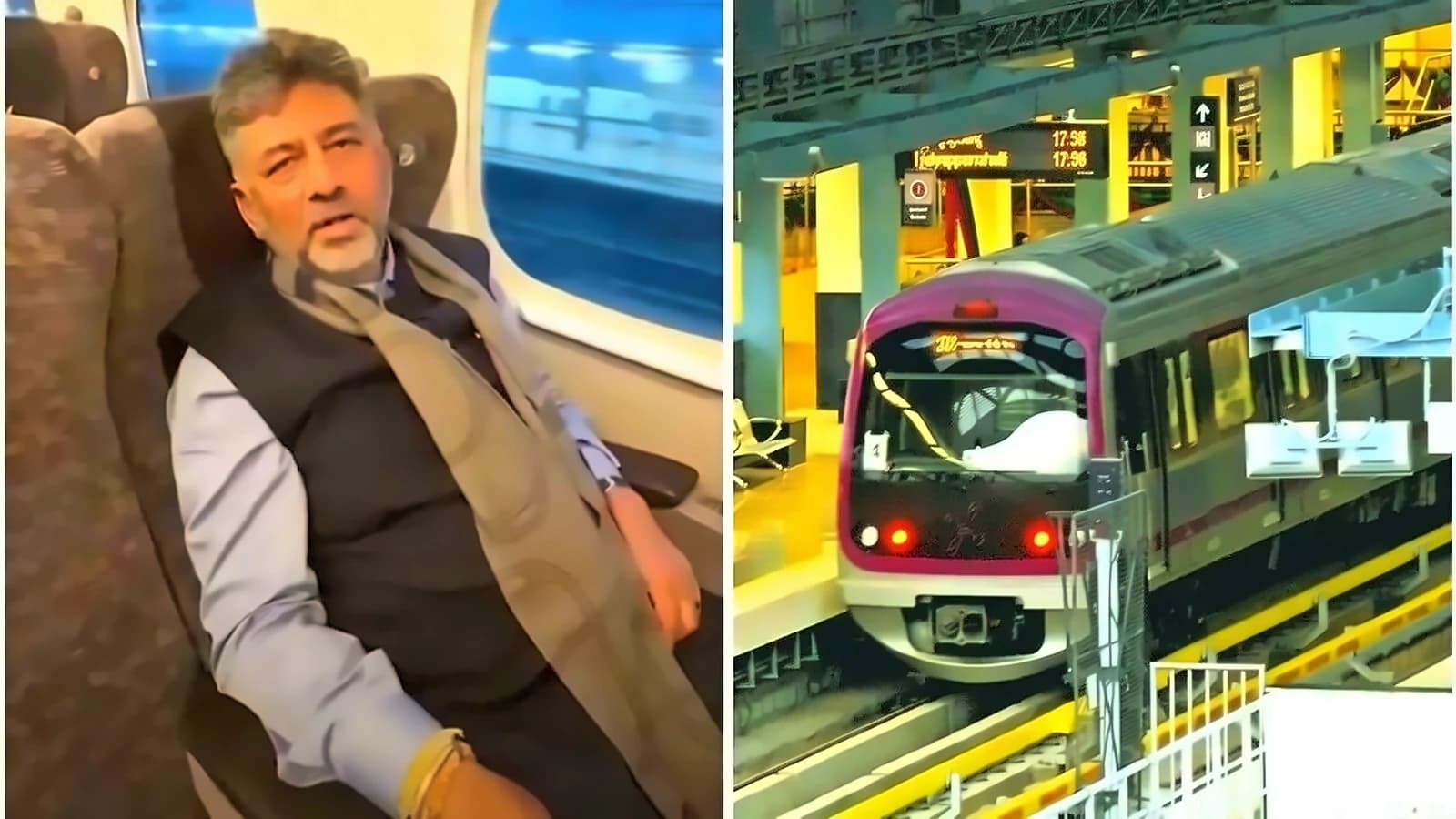
Karnataka is considering ways to increase the commercial utilisation of Metro stations by developing business and commercial spaces around them. According to ANI, Shivakumar highlighted Japan's exemplary urban transport system, stating that "Japan's urban transport system is exemplary, and they are making maximum use of Metro facilities. The Metro stations there are functioning as systematic commercial centres. Every railway station is better than an airport. A model for punctuality and cleanliness." The Chief Minister said he had already instructed officials to prepare plans to improve the utilisation of Metro stations in the state, with the government intending to explore opportunities to develop commercial infrastructure around these transport hubs. This initiative aims to improve their economic viability and create additional business opportunities.
The Japan visit is part of Karnataka's comprehensive strategy to attract international investments ahead of the Global Investors Meet scheduled for April next year in Bengaluru. As reported by ANI, Shivakumar said roadshows were being organized in various countries to attract investments, with several East Asian countries showing greater interest in Karnataka. "As a precursor to the Global Investors Meet to be held in Bengaluru in April next year, we are holding roadshows in various countries. Many East Asian countries are showing greater interest in investing in Karnataka," he explained. Plans will be drawn up after consulting officials about the feasibility of Japanese models that can be implemented in the state, with the Chief Minister noting that "I have also held talks with the Foreign Minister of Japan and the Ambassador. Everyone has assured cooperation."
Expanding industrial development beyond Bengaluru is another priority for the state government. According to ANI, Shivakumar said Karnataka was exploring the possibility of developing new greenfield industrial projects in locations outside the state capital. The government is seeking to attract more manufacturing companies and encourage existing foreign investors to expand their operations in Karnataka. "We held talks with several delegations in Japan regarding urban development during the three-day visit. Karnataka state is in the first position in the country in foreign direct investment. We aim to start new greenfield projects beyond Bengaluru also," he stated. At present, around 525 Japanese industrial institutions are currently operating in Karnataka, with several manufacturing companies expressing interest in investing in the state. The Chief Minister said the government aims to create more jobs through new investments in the state.
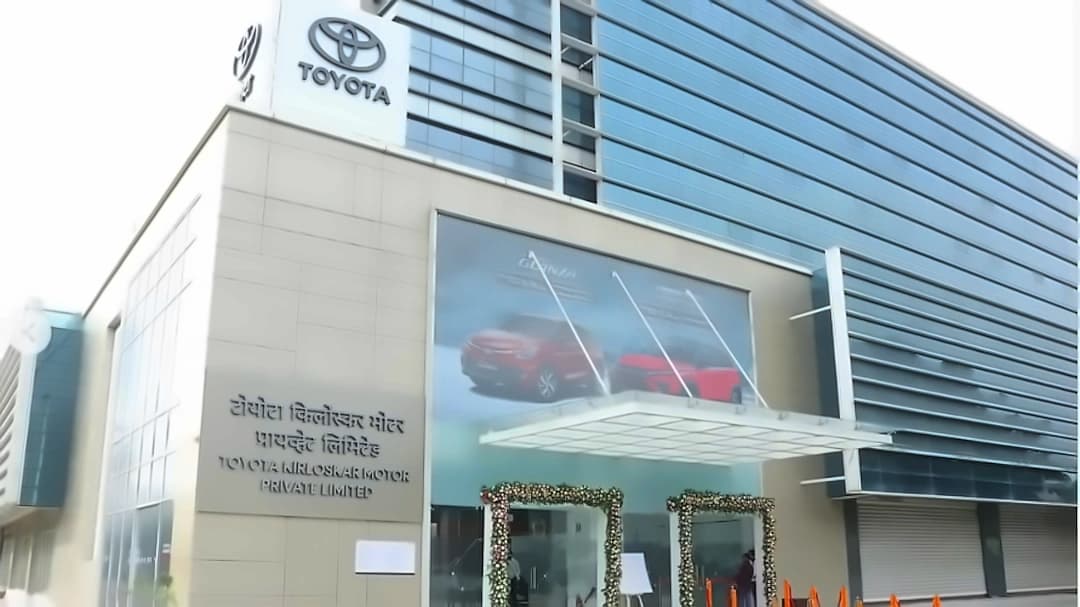
During the visit, the delegation also toured Toyota's manufacturing facility in Japan, where the company expressed interest in expanding its existing operations in Karnataka. According to ANI, Shivakumar assured that "the state government would extend all necessary support for the expansion of Toyota's manufacturing unit." The interaction is expected to strengthen industrial ties between Karnataka and Japan, particularly in the manufacturing sector. Additionally, the Chief Minister announced a significant development with Kawasaki Heavy Industries, stating that "an agreement had been reached to create 600 technical employment opportunities." This partnership forms part of Karnataka's broader strategy to improve urban development while positioning the state as a preferred destination for international investors. The agreement involves 600 technical employment opportunities at Harohalli in Bengaluru South district, with the company showing enthusiasm to invest in various sectors.
The Chief Minister also discussed exploring the possibility of bringing a taxi-type hybrid car introduced during the Tokyo Olympics to Karnataka. According to ANI, Shivakumar said "During the Tokyo Olympics, a taxi-type hybrid car was launched. We have invited them to produce the same model of car in our state. This will not cause any problem for local autos. We also need to encourage autos. The taxi car we saw was more convenient." This initiative represents Karnataka's commitment to adopting innovative transportation solutions while supporting local automobile industries.