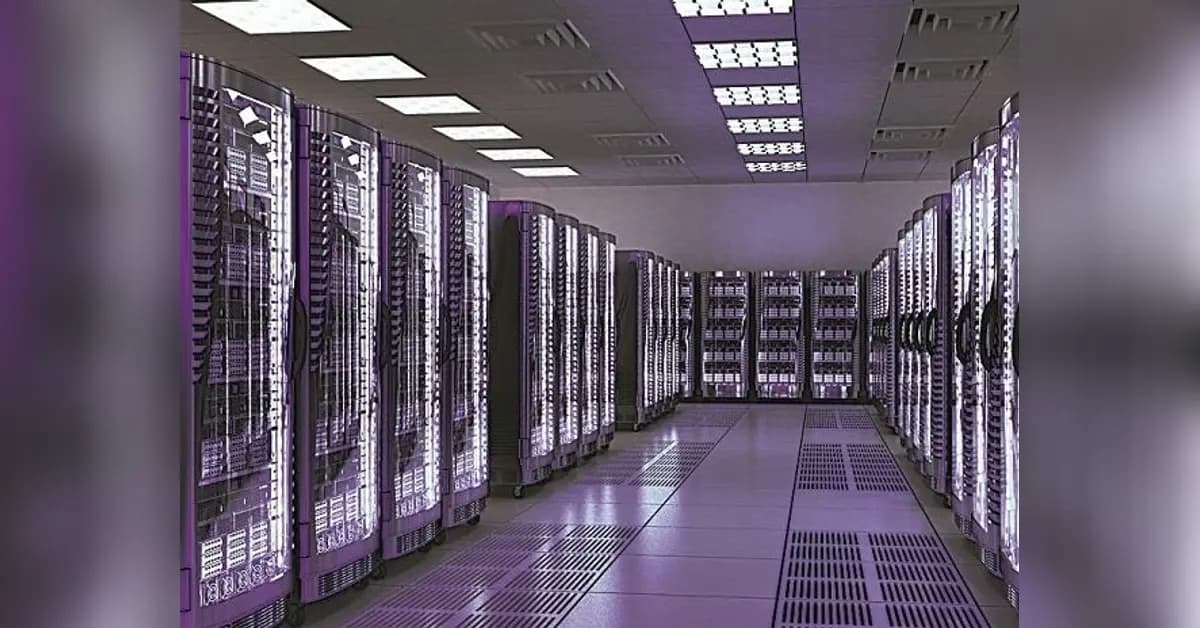
Karnataka's upcoming data centre policy is set to incentivise firms developing innovative cooling, renewable energy and cable landing station solutions, according to reports from Business Standard. A senior state government official confirmed that the policy will provide support for companies developing solutions that reduce water consumption and energy grid dependence. The new policy, likely to be launched within the next two to three months, represents a significant evolution from the state's existing data centre framework.
According to the International Energy Agency (IEA), an average 100 MW data centre consumes about 2 million litres of water per day, equivalent to the water consumption of approximately 6,500 households. As reported by Business Standard, cooling data centres traditionally requires massive amounts of water, which is then used as a coolant to dissipate the heat generated by several thousand rows of data centre racks. Despite innovations that use less water, most have not been implemented at scale due to high costs of these solutions.
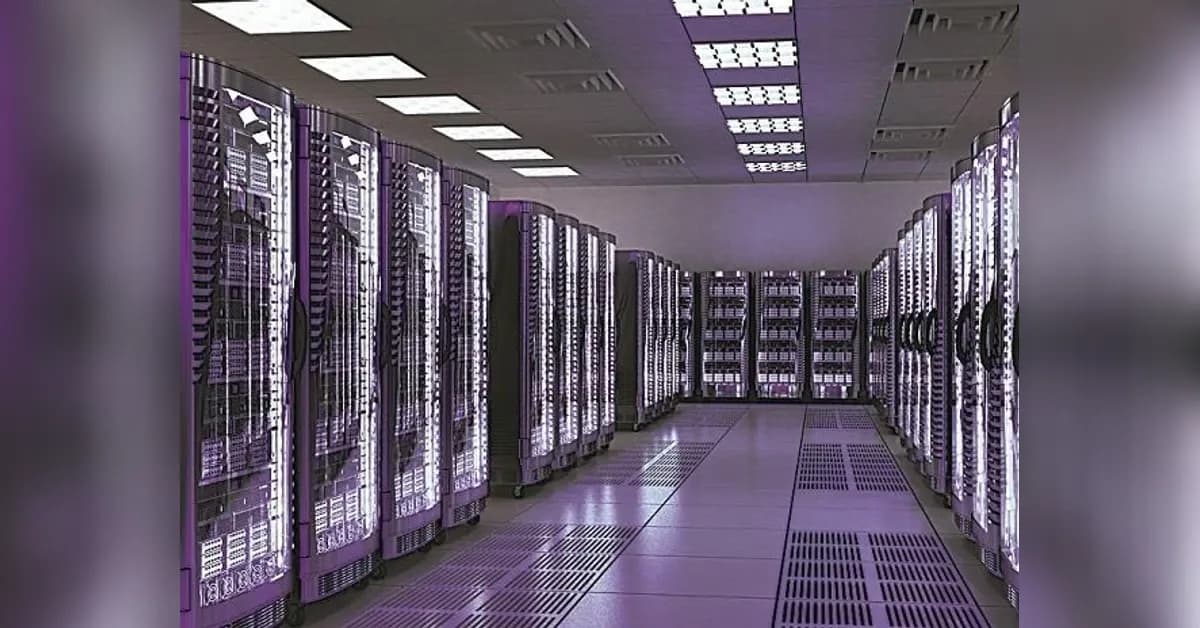
The policy will also incentivise data centres that ensure no dependence on energy grids powered by traditional fuel such as coal, according to Business Standard. In areas where new data centres can be linked with potential sub-sea cable landing stations, incentives are being planned. The state government is also considering working with global companies, telecom companies and technology giants to incentivise cable landing stations under the data centre policy framework.
The new policy will include elements from the Beyond Bengaluru scheme, under which companies receive additional financial and non-financial incentives to set up data centres in tier-II and tier-III cities and towns, as reported by Business Standard. The state government would also weave in these elements to encourage data centre development beyond the traditional Bengaluru urban area. The corpus for the second phase of the state's data centre policy has not yet been finalised, with the Karnataka government currently in talks with industry players to assess requirements.
The first phase of Karnataka's data centre policy, which began in 2022, aimed to develop 200 MW of data centre capacity in Karnataka by 2025. According to Business Standard, the policy allows data centres to draw power from two different substations to ensure a reliable, uninterrupted power supply. The current policy provides for a one-time 7 per cent capital subsidy of up to ₹10 crore on the value of fixed assets, excluding land and buildings, and a 10 per cent subsidy on land purchase if the land parcel is outside the Bengaluru urban area.