IRB Infrastructure Developers shares surged up to 8% during Thursday's trading session, hitting an intraday high of ₹20.60 after the company reported a 25% year-on-year increase in gross toll revenue to ₹807.40 crore in August 2026, compared with ₹646.2 crore in August 2025. According to reports from The Economic Times, the stock has remained largely stagnant in recent months but has delivered multibagger returns of 127% over five years, with the stock touching its 52-week high of ₹23.95 in May 2026 and hitting a 52-week low of ₹18.50 in March 2026. The latest rally reflects investor confidence in the company's operational performance and growth prospects, with the revenue increase attributed to sustained traffic growth across assets and a tariff revision implemented at the beginning of FY27. As per NSE data, IRB Infra Developers has a total market capitalisation of ₹23,697.04 crore as of September 10, 2026.
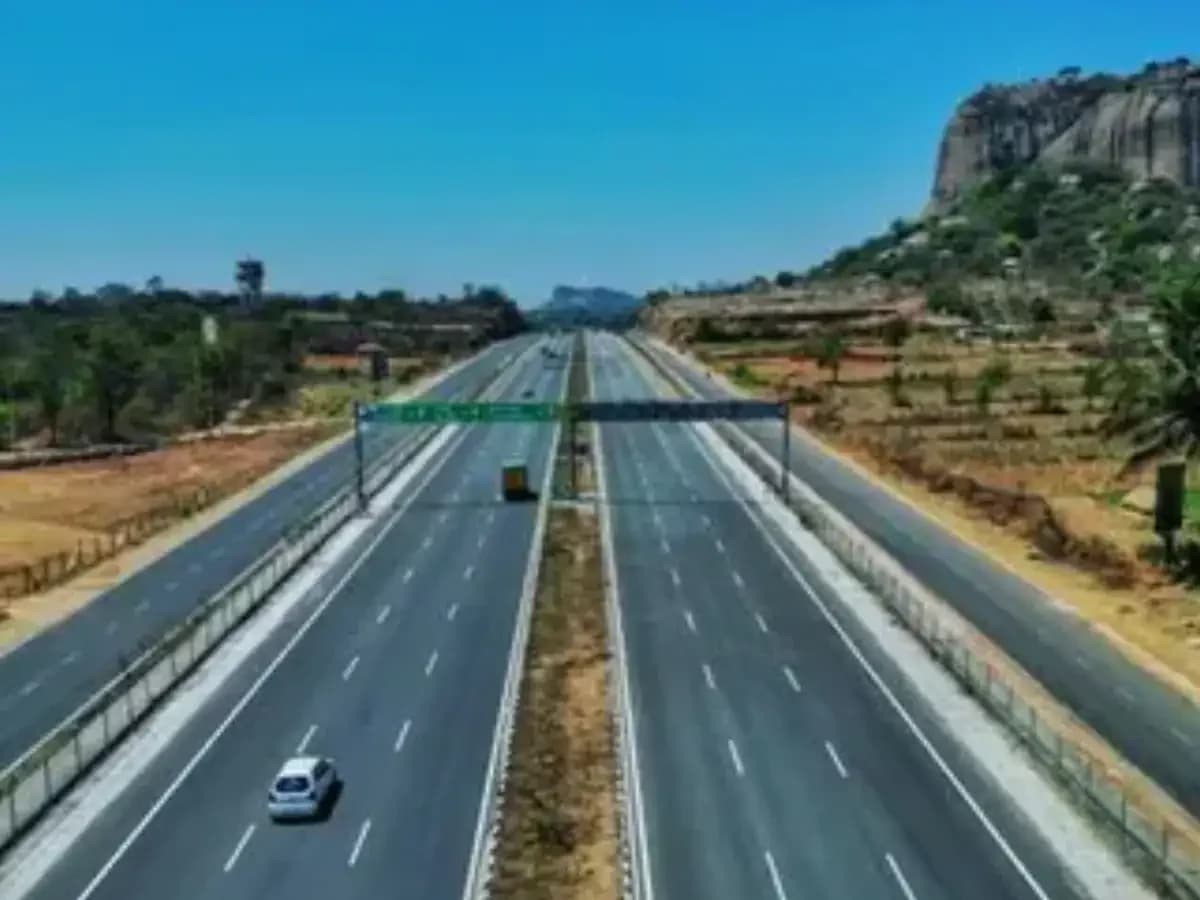
Among the company's key assets, IRB MP Expressway, which comprises the Mumbai-Pune Expressway and Old Mumbai-Pune Highway (NH4), recorded toll revenue of ₹172.10 crore in August 2026, up from ₹144.70 crore a year earlier. IRB Golconda Expressway, comprising Hyderabad Outer Ring Road, reported revenue of ₹87.90 crore, compared with ₹73.70 crore in August 2025, marking the highest toll revenue across all assets. IRB Ahmedabad Vadodara Super Express Tollway posted toll revenue of ₹80.30 crore, against ₹69.10 crore year earlier, while IRB Lalitpur Tollway reported ₹43.50 crore, up from ₹36.10 crore. Other assets showed mixed performance, with IRB Tumkur Chitradurga Tollway recording ₹38.40 crore versus ₹34.90 crore, and Udaipur Tollway reporting ₹28.8 crore compared with ₹26.3 crore in August 2025. CG Tollway Limited posted ₹34.6 crore against ₹34.5 crore a year earlier, while Palsit Dankuni Tollway reported ₹22.6 crore versus ₹21.8 crore.
A total of 15 entities were under joint-ventures, IRB Infrastructure Trust (Pvt InvIT), with 10 assets reporting an increase in toll revenue in August compared to the previous year, one reporting a decline, one unchanged, and three not having year-ago comparisons. The Samakhiyali Tollway maintained unchanged revenue at ₹118 crore, while IRB Harihara Corridors, IRB Chandibhadra Tollway, and Meerut Budaun Expressway did not have previous year comparisons. In the IRB InvIT Fund (Public InvIT) segment, six of eight assets reported revenue increases, with IRB Pathankot Amritsar Toll Road generating ₹13.4 crore, Jaipur Deoli Tollway ₹17.3 crore, M.V.R. Infrastructure & Tollways ₹15.3 crore and Talegaon Amaravati Tollway ₹8 crore. However, not every asset delivered growth, with IRB Kota Tollway's revenue declining to ₹6.3 crore from ₹7.1 crore, IRB Hapur Moradabad Tollway falling to ₹22.3 crore from ₹28.9 crore, and Kishangarh Gulabpura Tollway declining marginally to ₹22.5 crore from ₹23 crore.
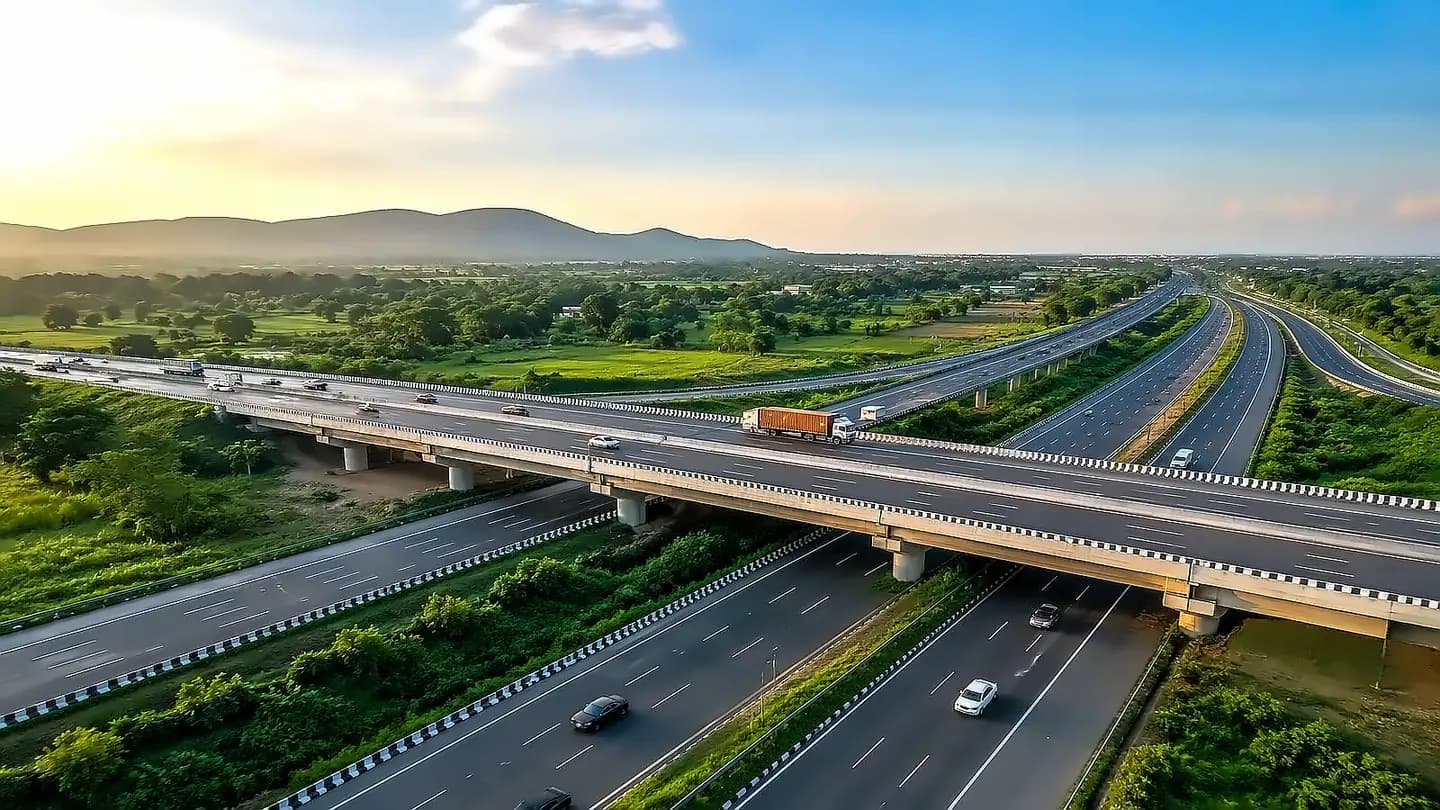
Three assets reported toll revenue in August 2026 for which there was no year-earlier comparison in the filing. IRB Harihara Corridors Tollway reported ₹41.70 crore, IRB Chandibhadra Tollway reported ₹20 crore, and Meerut Budaun Expressway reported ₹22.60 crore. As reported by The Economic Times, the company noted that the Project Special Purpose Vehicles for IRB Harihara Corridors and IRB Chandibhadra Tollway received the Appointed Date from the National Highways Authority of India, with toll collection commencing on January 23, 2026 and April 1, 2026 respectively. Toll collection for Meerut Budaun Expressway commenced on May 17, 2026.
Amitabh Murarka, Deputy CEO of IRB Infrastructure Developers Ltd, stated that the strong toll revenue performance reflects sustained traffic growth across assets. According to The Economic Times, he noted that the growth in traffic, coupled with the tariff revision implemented at the beginning of FY27, has further supported revenue performance. Murarka emphasized that the company expects traffic momentum to remain positive, helped by robust GDP growth and the beginning of the festive season with the Ganesh Festival. The company expects this momentum to support stronger toll revenue growth in the coming months, with the group having completed its asset creation phase and entered a cash-harvesting phase through its InvIT monetisation strategy. The group's portfolio has a weighted average residual concession life of approximately 21 years, offering visibility on long-term cash flows through toll revenues, recurring O&M income and growing InvIT distributions.
IRB Group maintains a portfolio of 28 revenue-generating highway assets worth approximately ₹94,000 crore across 13 Indian states, with around 1.5 million vehicle crossings daily, according to The Economic Times. The group accounts for nearly one-tenth of India's total toll revenue, demonstrating its significant market position. On a consolidated basis, IRB Infrastructure Developers' net profit increased 51.26% to ₹306.27 crore while net sales rose 1.82% to ₹2,137.27 crore in Q1 June 2026 over Q1 June 2025. The stock's 52-week high stands at ₹23.95, indicating that the recent rally has brought it closer to its yearly peak. On the valuation front, IRB Infrastructure Developers trades at a price-to-earnings (P/E) ratio of 24.14, while its price-to-book (P/B) ratio stands at 0.55. As per NSE data, IRB Infra Developers shares were trading at ₹19.61 apiece on the National Stock Exchange as of September 10, 2026, with a decline of 7% from the beginning of the year but an advance of 0.5% over the past month.