According to reports from CNBC-TV18, IRB Infra has not experienced any major impact from the ongoing West Asia war and has not faced payment delays from government agencies. The management confirmed in an exclusive response that their portfolio comprises largely of domestic road assets and therefore has not seen any direct invocation of Force Majeure clauses linked to the ongoing conflict in West Asia. The latest developments show escalating concerns as the World Health Organization and International Atomic Energy Agency have raised alarms over nuclear facility safety following recent attacks on Iran's nuclear infrastructure.
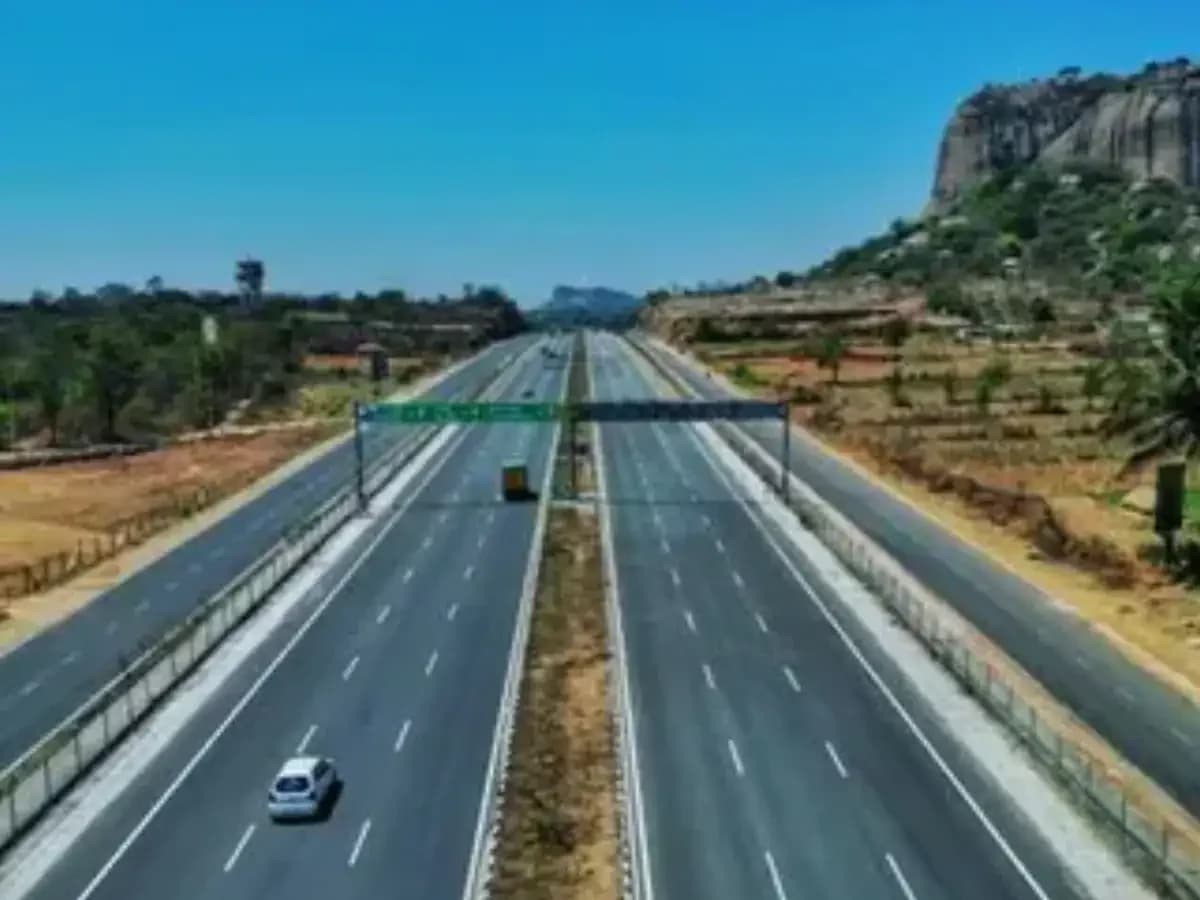
As reported by CNBC-TV18, the company's business is largely driven by toll revenue where unprecedented growth continues, resulting in resilient cash flows that are not directly impacted by payment cycle issues. The management emphasized that their business model provides protection against such external disruptions, with their focus on operational assets rather than contractor-level exposure. This strategic positioning becomes increasingly relevant as global agencies warn that any escalation could carry severe humanitarian and environmental consequences.
According to the management's response to CNBC-TV18, IRB Infra does not undertake Engineering, Procurement and Construction (EPC) contracts for either NHAI or state governments such as Maharashtra. This strategic decision means the company does not have first-hand visibility on payment delays or cash flow stress seen at the contractor level, providing additional protection from potential war-related disruptions. The latest incident near Iran's Bushehr nuclear power plant underscores the importance of this approach as global agencies stress the need for restraint to avoid nuclear accident risks.
As reported by CNBC-TV18, nearly 95% of IRB Infra's value comes from operational assets, with tariff revisions within the road asset business linked to inflation. This inflation hedge mechanism provides protection for returns and insulates the company from sharp increases in input costs. The management noted that crude oil price surges due to the Iran war have led to increases in crude derivatives used as input components across sectors, highlighting the importance of their asset-focused strategy.
According to CNBC-TV18, IRB Infra shares are trading 5.5% lower at ₹20.61 on Monday, following the ex-bonus trading period. Despite the recent decline, the company has demonstrated strong project acquisition capabilities, securing projects worth ₹14,000 crore in financial year 2026, significantly exceeding their annual asset addition target of ₹5,000-6,000 crore. The company's focus on operational assets and toll-based revenue streams continues to provide stability amid ongoing regional tensions and global concerns over nuclear facility safety.