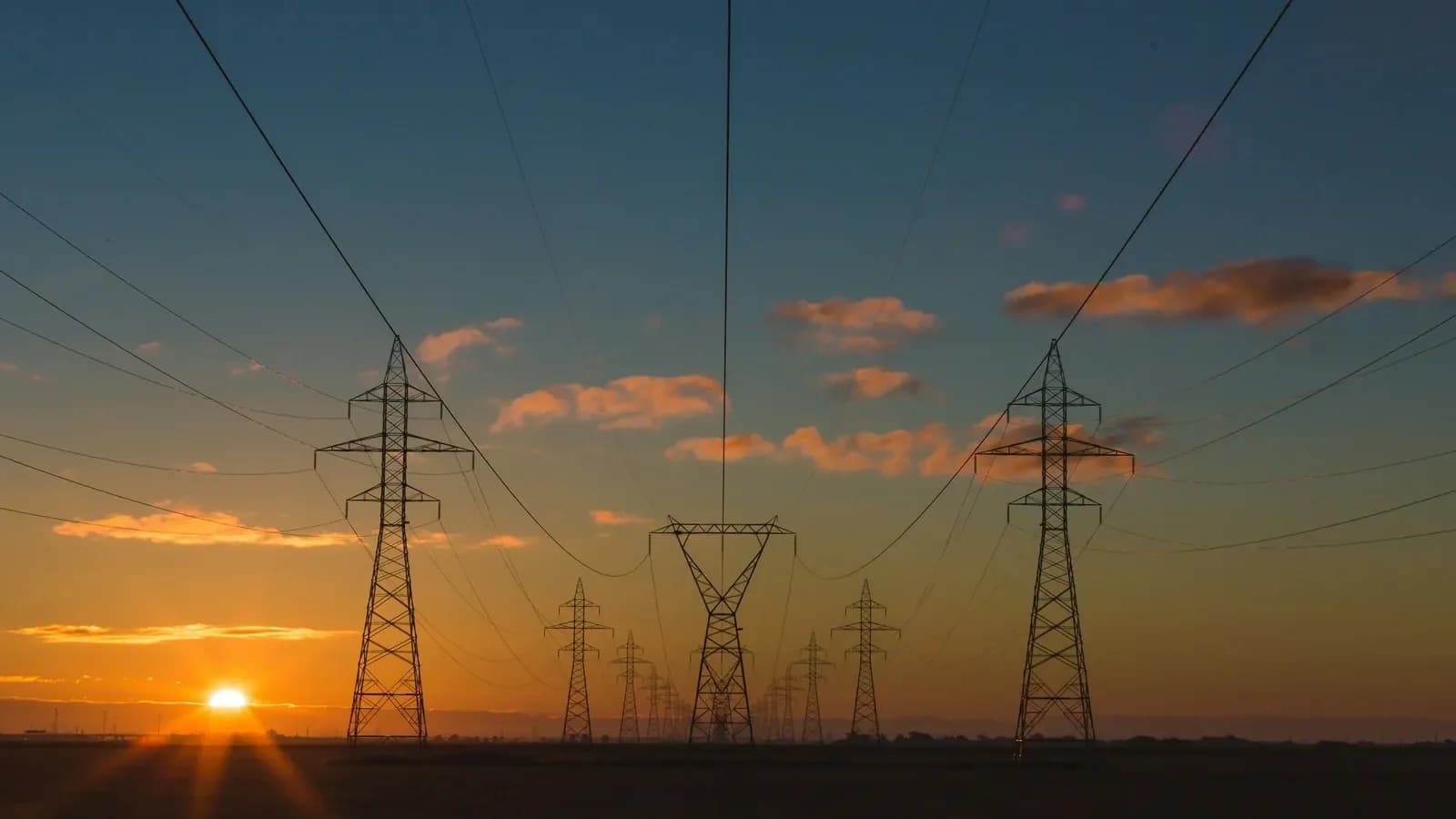
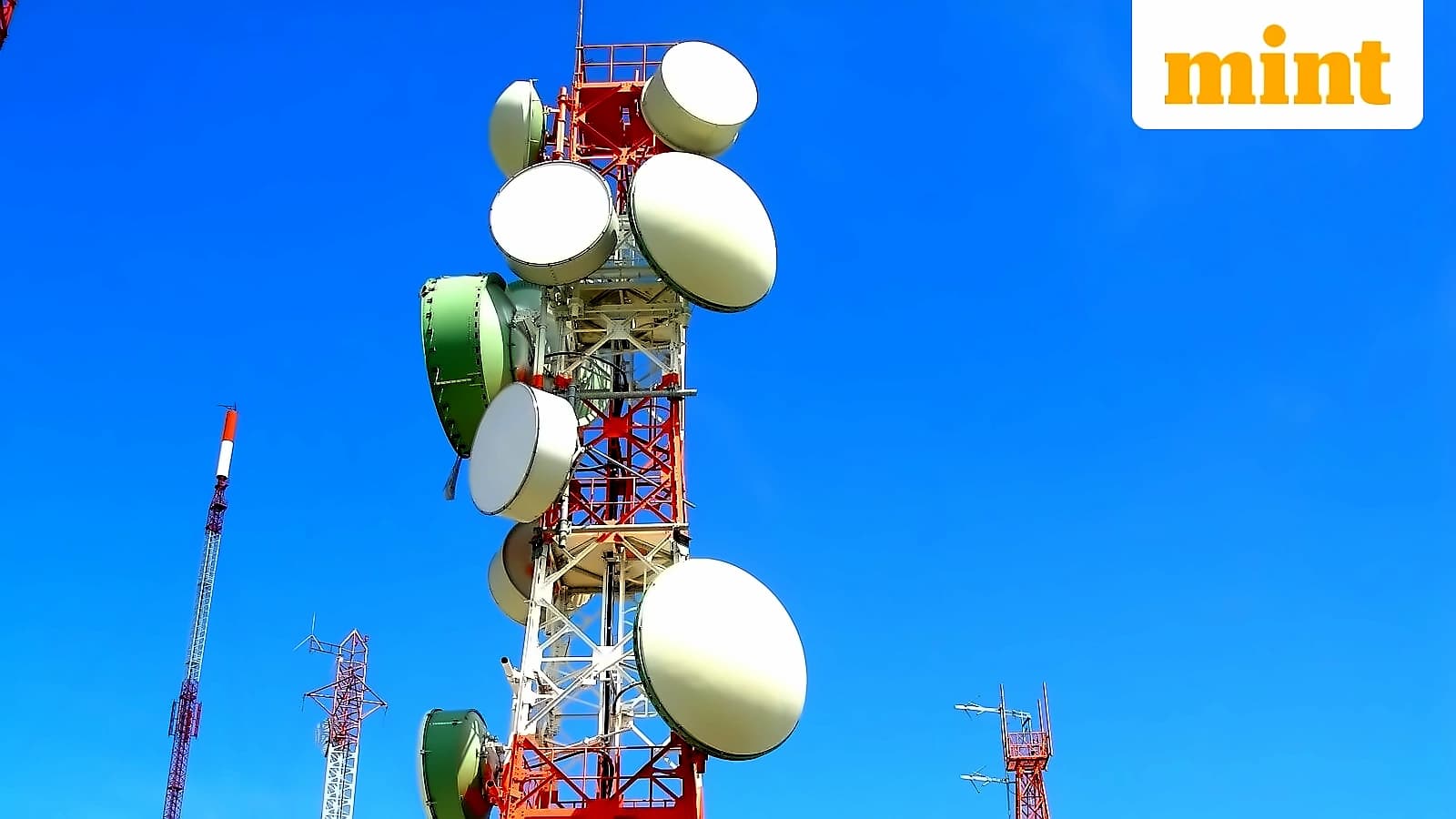
India's telecom and tower companies have issued warnings that rising diesel prices and summer power outages could disrupt mobile networks and raise costs. According to reports from Mint, the department of telecommunications (DoT) has stepped in as record electricity demand, heatwaves and fuel inflation pressure operators already reliant on diesel backup systems. The DoT held a meeting last week with telecom industry executives to map electricity availability issues across states and how electricity distribution companies (discoms) could ensure continuous power supply to prevent telecom service disruptions.
Diesel price hikes have significant financial implications for telecom operators. As reported by Mint, diesel prices were hiked by ₹3.90 per litre to ₹91.58 in Delhi last week, with industry estimates suggesting a ₹3 per litre increase would cost operators about ₹300 crore annually. According to brokerage house IIFL Capital, energy costs account for 10-12% of India mobile revenue for telecom operators. The fuel price increases are attributed to disruptions from the West Asia war and supply chain disruptions affecting diesel availability.
The telecom sector faces record power demand of 270.6 GW amid severe heatwave conditions, as reported by Mint. Summer season peak power demand has increased the risk of electricity shortages with outages reported in some parts of the country. The industry has identified key states including Uttar Pradesh, Maharashtra, Madhya Pradesh, and Punjab as having significant power availability issues. Tower companies rely on diesel generators to maintain network uptime during power cuts, buying diesel at retail prices and passing expenses to telecom operators.
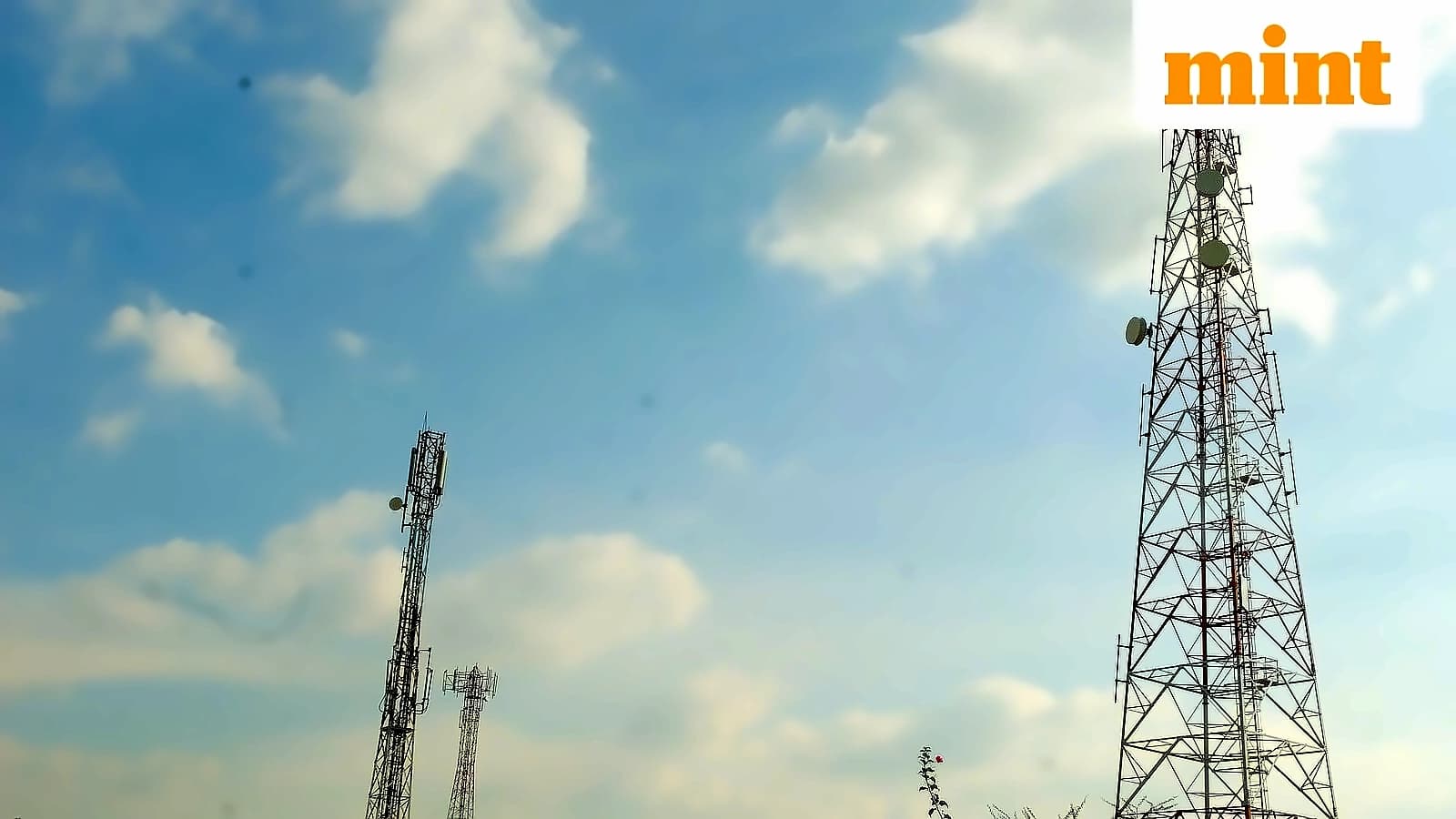
Industry representatives emphasize the need for power sector reforms rather than relying on diesel backup systems. Manoj Kumar Singh from the Digital Infrastructure Providers Association (DIPA) told Mint that fixing power sector inefficiency would address avoidable diesel consumption. Indus Towers reported adding close to 2,500 sites with solar access during Q4 FY26, taking total solar sites to about 42,400, with diesel consumption reducing by 7% year-on-year despite increased co-locations.
According to a McKinsey & Company report titled 'Wired for Growth: India's Electrical Equipment Opportunity', India's electrical equipment industry is positioned for transformational growth. The report projects domestic electrical equipment production could potentially rise to USD 195-235 billion by 2035 from around USD 50 billion in 2025, with domestic consumption growing to USD 170-205 billion and exports exceeding USD 60 billion. The industry is expected to grow at an annual rate of 11-13% through 2035, supported by increasing electrification, renewable energy adoption, and power electronics demand.