India has set an ambitious target to more than double its installed power generation capacity to 1,297 gigawatts (GW) by 2036, as announced at the recent two-day power ministers' conference. The conference, which concluded on Saturday, witnessed participation from 28 states, eight Union Territories and regulators towards achieving energy independence and Viksit Bharat by 2047. According to the power ministry, this represents a significant expansion from the current 563 GW of installed generation capacity, with over 55% being non-fossil sources. The minister emphasized that this massive capacity addition will require ₹200 trillion in investments over two decades to achieve the sector's targets.
Union Minister Manohar Lal announced that India's power sector will require ₹200 trillion in investments until 2047 to achieve various sector targets. Speaking at the Power Ministers' Conference of States and Union Territories, Lal emphasized that this investment requirement is equivalent to five years' budget of the government and cannot be accomplished alone. He called for participation from both public and private sectors through public-private partnerships and stock market listings of state-owned firms to raise the necessary funds. The minister highlighted the need to mobilize these funds through public sector company listings and private investment under the public-private partnership model. Recent developments show that Maharashtra State Electricity Distribution Company (MSEDCL) has announced plans to launch an initial public offering (IPO), with other states including Assam, Chhattisgarh, Haryana and Gujarat considering public listings of their power utilities.
Distribution companies (discoms) face an even more severe financial crisis than previously reported, with total outstanding borrowings of ₹7.26 lakh crore as of March 31, 2025, despite posting a combined profit of over ₹2,600 crore last year. According to Lal's latest statement, discoms collectively earned a profit of ₹2,600 crore last year, but there is concern about reverting to losses again. The minister revealed that total losses of discoms across the country have reached ₹7 trillion again, even after the central government absorbed about the same amount of losses in 2017 through UDAY (Ujjwal DISCOM Assurance Yojana), a financial package scheme for revival of power distribution companies. Lal urged states to use these profits to offset earlier losses and strengthen the financial position of distribution companies, emphasizing the need to ensure the financial viability of discoms going forward. As part of the conference outcomes, states agreed to clear pending government dues within a quarter and transition all government connections to prepaid smart meters operated on an advance recharge basis rather than waiting for budgetary releases.
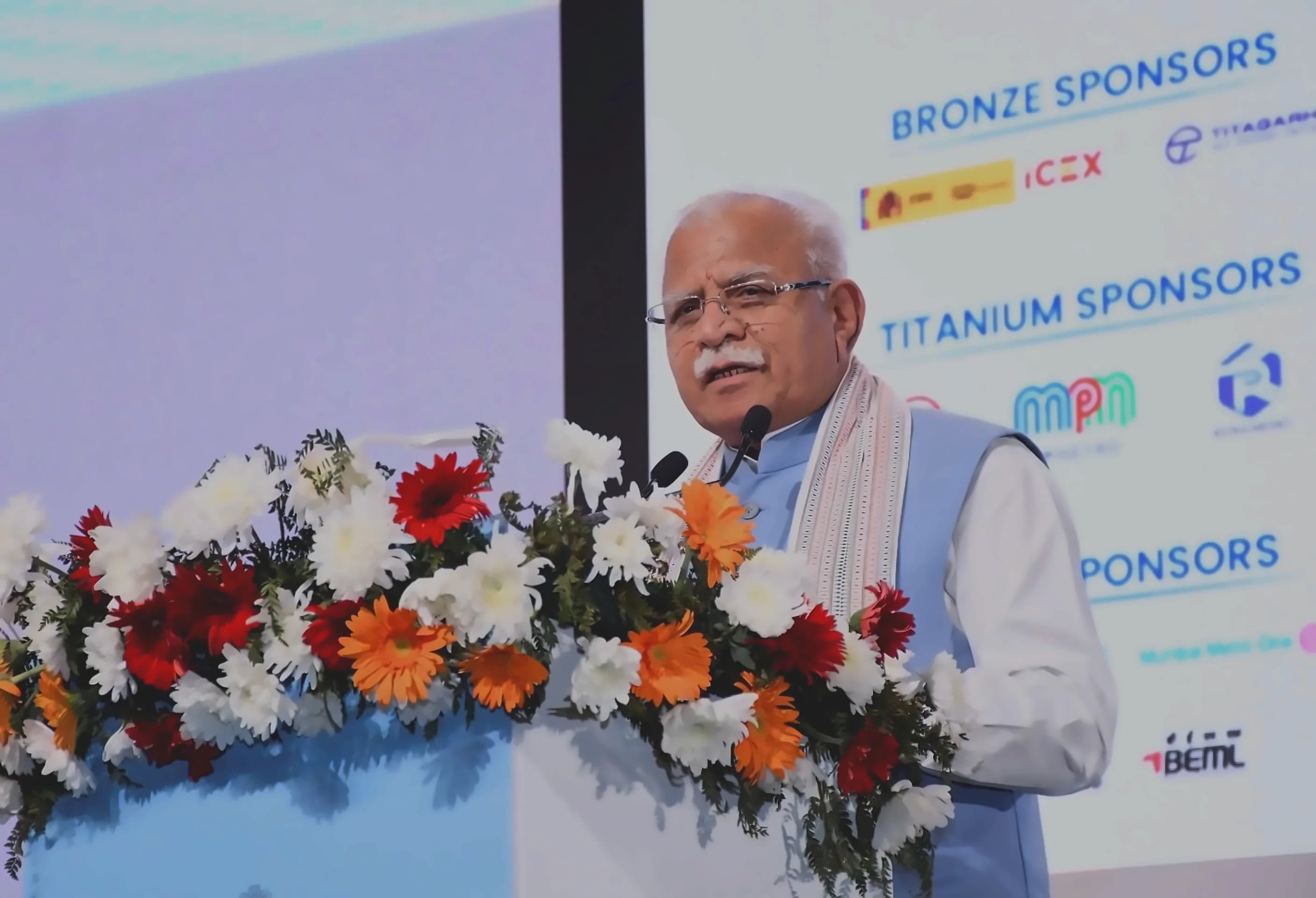
The minister pointed to increasing power demand driven by expanding data centre infrastructure and increased usage of electric vehicles. He emphasized the need for focus on storage for optimum use of solar and other renewable sources, urging states to encourage solar energy use for agriculture and electricity generation through rooftop solar installations. According to the power ministry, states will drive a 15-fold expansion in storage, prioritising battery and pumped storage procurement, including through state's own investments and upcoming NTPC and SECI plans of 40 GWh each. This storage expansion is designed to ensure round-the-clock power across both solar and non-solar hours without over-relying on costly short-term market purchases. Lal highlighted shortcomings in tariff coordination and regulation of renewable energy sources, stating that regulations should be designed to prevent distribution companies from suffering losses.
As part of a larger plan to achieve universal household electrification by March 2027, Power Minister Manohar Lal informed that 1.45 million households have been taken up for grid electrification and around 625,000 have been covered, including households in off-grid mode. A key joint session of electricity regulators highlighted the need to minimise tariff disallowances and ensure cost-reflective tariffs for discoms, with an emphasis on ensuring that disallowances do not exceed the return on equity (RoE). The conference also focused on implementation of resource adequacy plans, inter-state transmission issues, and financial viability of discoms. Power Secretary Pankaj Agarwal noted that India's installed capacity has reached 563 GW, with more than 55% being non-fossil sources. The conference will include a joint session on November 28 with the Forum of Regulators and State Electricity Regulatory Commissions to address regulatory challenges and future energy planning.